
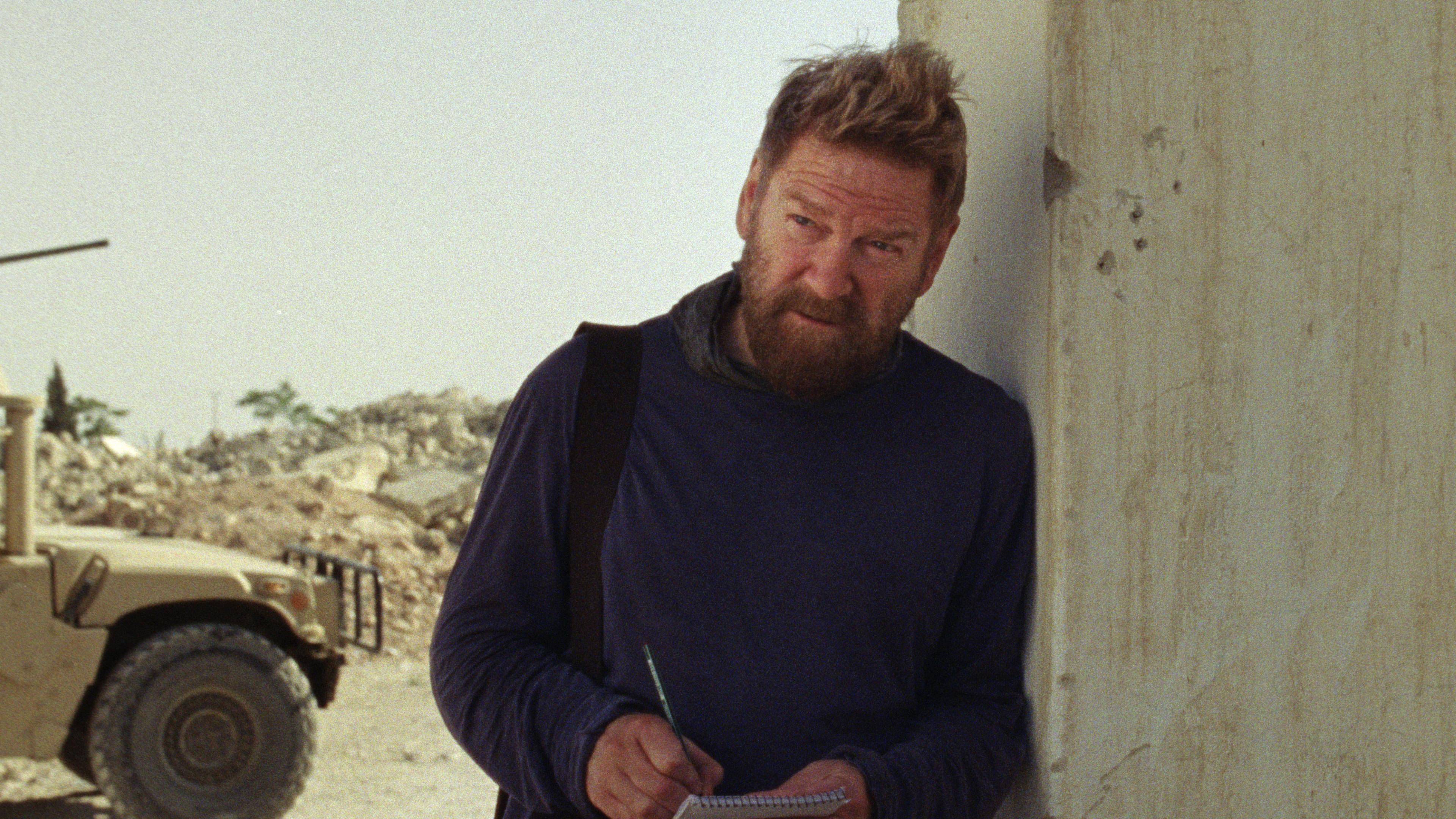
At the onset of his career, Van Dyk faced the daunting challenge of making a film that seemed just out of reach. However, six years later, he earned the prestigious Oscar for Best Live Action Short Film for “DeKalb Elementary,” a poignant piece inspired by a school shooting incident in Atlanta. This accolade catapulted him into the limelight, paving the way for his aspirations to create feature films. Reflecting on this period, Van Dyk noted, “After that, I immediately reached for my copy of that New Yorker issue, which I still have, and started trying to make this film.”
Transforming a Short Article into a Feature Film
One of Van Dyk’s primary obstacles was adapting a concise 12-page article into a full-length two-hour film. He remarked, “You have this wonderful reportage to work with, and all of the texture and specificity that comes with that.” The challenge lay not only in presenting the facts but also in creating depth and drama surrounding the central narrative. The original article focused on the experiences of Dexter, but it was evident that other characters needed development to enhance the story’s emotional impact.
Van Dyk identified three main individuals at the core of the narrative; while two were prominent in Dexter’s writing, the third lacked a substantial presence. “That’s where my job comes in,” he explained. The character played by Branagh required additional layers, turning a somewhat one-dimensional figure into a fully realized portrayal. This endeavor involved meticulous research and imagination, allowing Van Dyk to effectively bring the less-explored character to life.
The Importance of Character Development
Character development was crucial for translating the article’s insights into a compelling cinematic experience. Through meticulous crafting and attention to detail, Van Dyk was determined to flesh out the narrative’s emotional resonance. By diving deep into the intricacies of each character’s psyche, he aimed to convey the complexity of their interactions while maintaining fidelity to the original article.
Van Dyk’s artistic vision required delicate balancing. On one hand, he intended to honor the facts and integrity of Dexter’s reporting; on the other, he passionately sought to deliver a gripping story that would captivate audiences. This duality necessitated a blend of factual adherence with creative storytelling, a challenge he embraced wholeheartedly.
Conclusion: The Journey Ahead
With the Oscar win as a crucial stepping stone, Van Dyk embarked on a journey that would guide him through the complex world of filmmaking. This journey involved navigating the intricacies of adapting real-life events, characters, and emotional truths into a format that resonates with viewers on multiple levels. As he moves forward, the groundwork laid by his previous work will undoubtedly influence his future projects, illustrating the ongoing evolution of a filmmaker dedicated to his craft.
In summary, the intersection of real-life stories and artistic interpretation continues to shape the landscape of modern cinema. Van Dyk’s experiences serve as a reminder that great films often emerge from a blend of journalism and imaginative storytelling. The challenge of adapting such narratives is not to be underestimated, but the rewards are profound, impacting both the audience and the creator alike.