
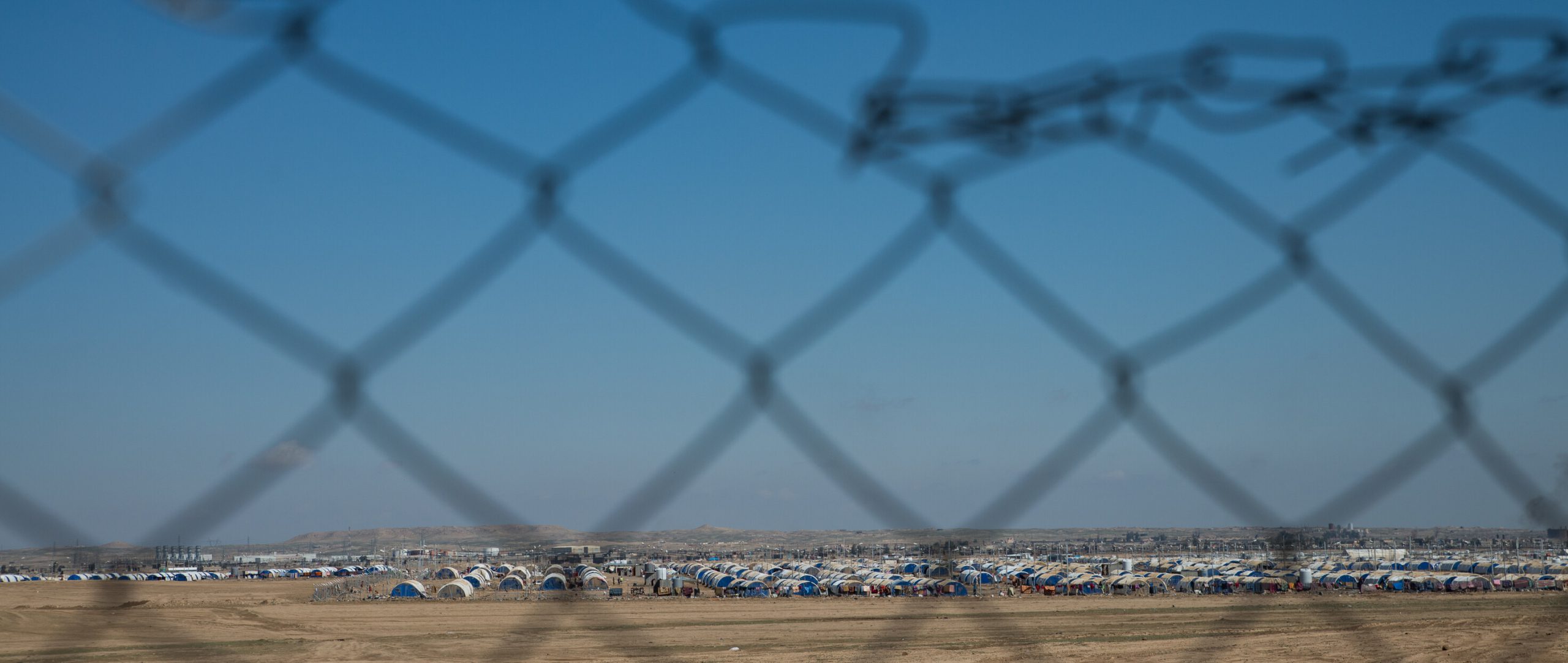
Iraqi authorities are facing immense pressure as they prepare for the trial of over 5,700 detainees recently transferred from north-eastern Syria. Human rights organizations, such as Amnesty International, urge the government to uphold due process rights and prioritize the protection of children involved in these proceedings. The trials are set to resume on October 5, 2026, amidst growing concerns about the integrity of the judicial process.
Context of the Trials
The detainees, consisting of individuals from 67 different countries, including thousands from Syria and hundreds of Iraqis, are being prosecuted for their alleged connections with the Islamic State group. The group comprises 5,704 individuals, among whom are at least 157 minors. These individuals were relocated to Iraq between late January and February 2026, leading to serious debates about their legal treatment and the fairness of trials.
Grazia Careccia, Deputy Regional Director for the Middle East and North Africa at Amnesty International, emphasizes the heavy burden placed on Iraqi authorities as they are tasked with ensuring compliance with international human rights standards throughout the judicial process. Careccia warns that the complexities faced by the Iraqi legal system cannot justify compromised justice through coerced confessions or mass prosecutions.
Concerns Over Legal Framework
Iraqi authorities plan to prosecute these detainees under the Penal Code No. 111 of 1969 and the Anti-Terrorism Law No. 13 of 2005. This legal framework has drawn criticism for its broad definitions of terrorism and the inclusion of provisions that allow for the death penalty for mere membership in a group alleged to be terrorist. In past cases, courts have often relied heavily on confessions obtained under duress, raising critical concerns about the validity of these legal proceedings.
Amnesty International highlights that such practices could violate the fundamental rights of the accused. The organization stresses that any evidence acquired through torture or coercive means must be considered inadmissible in court. Defendants must have immediate access to legal representation, qualified interpreters, and public hearings to ensure their rights are protected during the trial.
Child Rights and Rehabilitation
The presence of minors among the detainees calls for a child-centric justice approach, highlighting the need for adherence to international child rights norms. Many of these minors were improperly detained in north-eastern Syria under arbitrary conditions, which include being forcibly separated from their families. According to international standards, children associated with armed groups should be treated primarily as victims and not as offenders.
Trials for those who committed alleged crimes while under 18 should be exceedingly rare and only arise from serious allegations under international law. Alternatives to prosecution, such as community rehabilitation and non-custodial options, should be prioritized. Detention must remain a last resort, and children should never be held accountable merely for their association with an armed group.
The potential for capital punishment in these cases increases the stakes for justice in Iraq. With the Iraqi judiciary reportedly having issued over 200 death sentences in 2024 and carrying out at least 63 executions, international scrutiny is more important than ever. The need for a fair, transparent, and humane legal process is crucial, especially given the historical context of human rights abuses in the region’s judicial system.
In conclusion, the upcoming trials represent a significant moment for Iraq and its legal institutions. The international community is closely monitoring the situation, urging the Iraqi authorities to adhere to human rights standards that promote justice, accountability, and respect for individual dignity. The future of these detainees hangs in the balance, making the call for fair trial rights all the more urgent.