
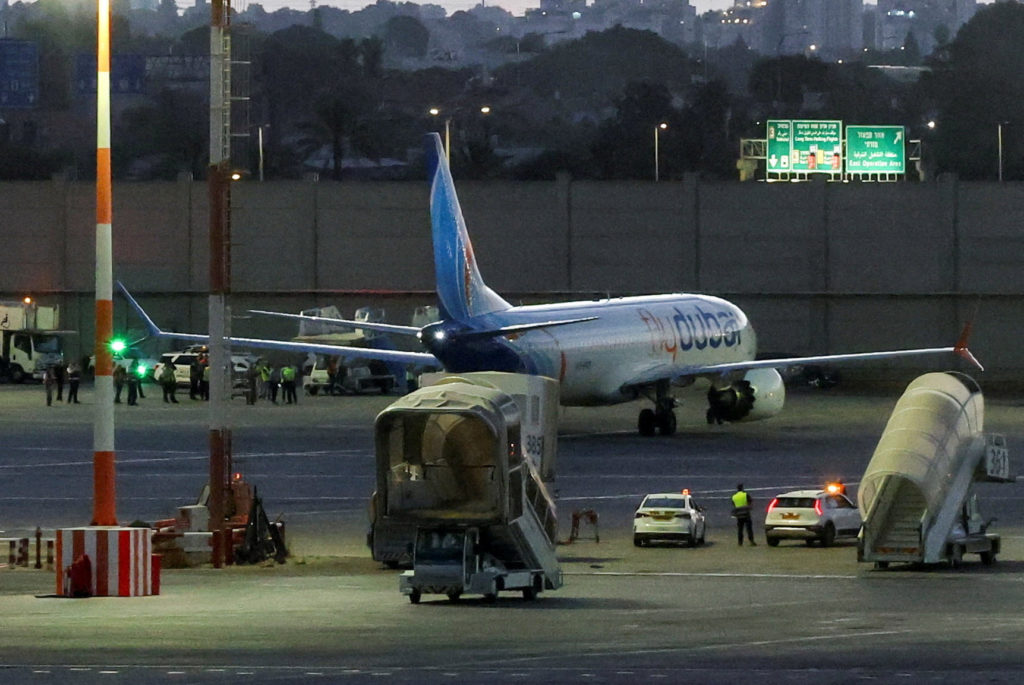
This week, a severe incident aboard a FlyDubai flight has sent shockwaves through the aviation sector in the Middle East, raising urgent concerns about flight safety. The co-pilot’s attempted crash of a plane traveling from Dubai to Tel Aviv has left 182 passengers and crew members in terror and ignited discussions around security measures within the industry.
Investigation Underway for Co-Pilot’s Motive
The identity and motive behind the co-pilot’s actions remain unclear as regional authorities investigate the matter. Israeli officials have identified the co-pilot as an Omani citizen, but details surrounding any potential radicalization or external influence have not been substantiated. As uncertainty looms, all flights from the UAE to Israel have been suspended, resulting in a significant travel disruption for numerous passengers who typically transit between these nations.
In response to the crisis, Israel and the UAE are arranging repatriation flights for stranded passengers, although delays in the clearance of necessary landing permits have complicated these efforts. The situation remains described as fluid, with hopes of resuming flights soon, as Israeli carriers plan to facilitate the transport of those affected.
Political Ramifications and Allegations
Amid the turmoil, Israeli Prime Minister Benjamin Netanyahu has made strong allegations against the co-pilot, suggesting possible links to extremist influences, albeit without presenting concrete evidence. He emphasized that if the co-pilot was acting under the direction of a larger group, those responsible would face significant repercussions. Former President Donald Trump echoed those sentiments, mentioning potential ties to Iran, which further fuels tensions in an already volatile region.
Despite these claims, current investigations led by Emirati authorities have not yet clarified whether the assailant operated solo or as part of a group. UAE officials have condemned the incident as a “dangerous terrorist act,” reaffirming their commitment to protecting their national security reputation, especially following past criticisms over security vulnerabilities.
Details of the Harrowing Flight
Witnesses aboard the flight have begun recounting the harrowing experience as alarming details continue to surface. The aircraft experienced a sudden and drastic altitude drop, prompting panic among passengers. Reports suggest that the captain displayed remarkable courage by managing to open the cockpit door, allowing passengers to subdue the attacking co-pilot. The flight captain, Smit Machchhar, has been hailed as a hero for his quick response and is presently recovering in a hospital while receiving accolades from global leaders.
Passengers described the moments of fear as the plane plummeted and young children cried out, “We don’t want to die!” The picture painted by these accounts illustrates not just the physical threat but also the lasting emotional scars that the event may impose on those onboard. As passengers fought to contain the assailant, they displayed remarkable bravery and resilience during a time of unprecedented danger.
The implications of this incident extend far beyond individual safety on flights. With the travel industry in turmoil, airlines and government authorities must grapple with the pressing need for enhanced security protocols to prevent similar occurrences in the future. As investigations continue, both regional and international stakeholders will closely observe how the events unfold, along with the measures that will be taken to ensure air travel remains safe for everyone.