
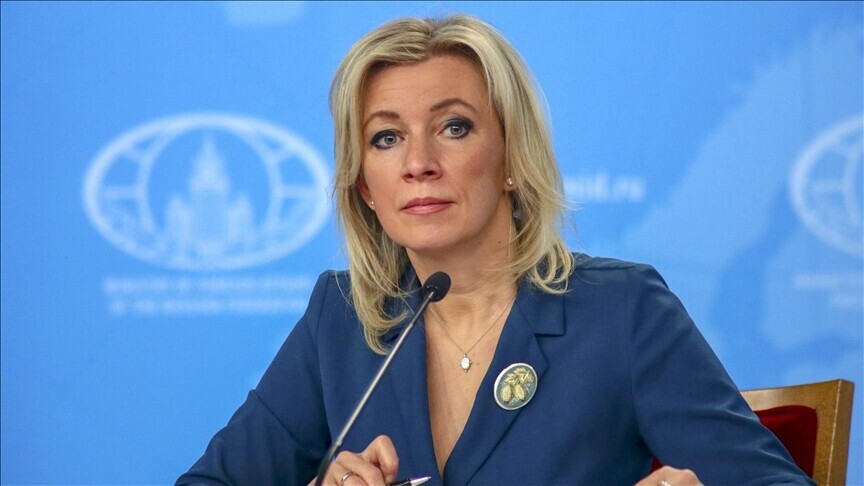
On October 2, 2026, Russia expressed approval over the final withdrawal of U.S. troops from Iraq, effectively concluding over 20 years of American military engagement in the region. This significant shift is a response to a decision made by the Iraqi parliament in January 2020, emphasizing Iraq’s desire to regain its sovereignty and control after enduring prolonged foreign military presence.
End of U.S. Military Involvement
Maria Zakharova, spokesperson for the Russian Foreign Ministry, pointed out that the U.S. military presence in Iraq has persisted since the 2003 invasion. According to her statement, this presence was based on “a completely contrived pretext,” which led to years of instability not only in Iraq but throughout the broader Middle Eastern region. Zakharova emphasized that today’s withdrawal demonstrates the Iraqi military’s capability to independently defend the nation and maintain its state security.
The departure of U.S. forces is viewed by Russia as not only positive for Iraq’s sovereignty but also as a testament to the strength of the Iraqi army. Zakharova asserted that Iraqi security forces are now in a position to handle various threats, including those posed by extremist organizations like ISIS. The Russian government is optimistic about Iraq’s ability to confront both internal and external challenges, rooting its confidence in the establishment of cooperative relationships with neighboring countries.
Transition to Bilateral Security Relations
The U.S. Department of Defense formally announced the conclusion of Operation Inherent Resolve in Iraq just days prior to Russia’s comments. This operation had been initiated to combat ISIS and provide necessary support to Iraqi forces during their military campaigns. The withdrawal marks a pivotal moment, fulfilling a timetable agreed upon by the Iraqi government and Washington in September 2024, which outlined a transition towards bilateral security arrangements that no longer involve coalition forces.
The coalition, predominantly led by the U.S., was formed in 2014 as a direct response to ISIS’s seizure of vast territories in Iraq and Syria. This military alliance provided critical air support, intelligence, and training to enhance the combat readiness of Iraqi forces, which began reclaiming territories from ISIS. Iraq officially declared its territorial integrity restored by December 2017.
Implications for Regional Stability
As the U.S. military concludes its operations, Russia has reiterated the importance of its proposed “Collective Security Concept for the Gulf Region.” This concept emphasizes the role of regional states, including Iraq, in sustaining stability through collaborative efforts. Zakharova highlighted that Iraq’s restoration of independence serves as a stepping stone for increased cooperation with its neighbors, aiming for improved regional security dynamics.
The withdrawal not only marks the end of a significant chapter in Iraq’s history but raises questions about the next steps for both Iraq and its international alliances. As the country navigates newfound autonomy, the international community will be closely watching its governance, security strategies, and relationships with surrounding nations.