
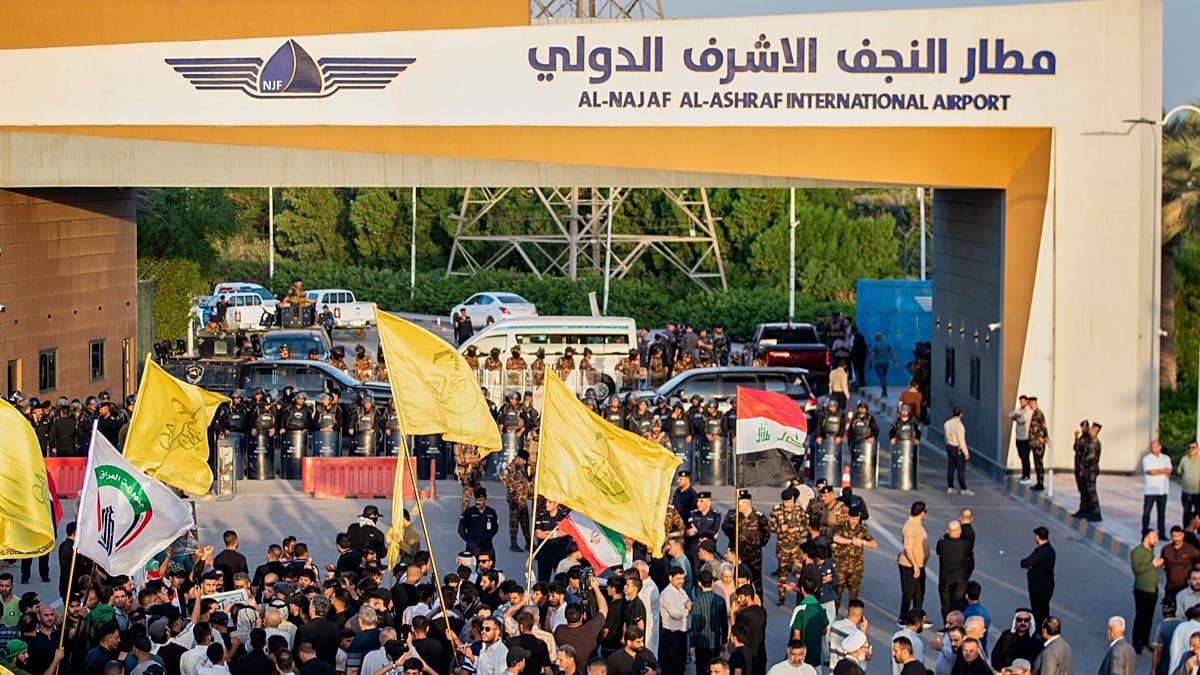
Tehran has recently pressed Baghdad to normalize air travel between the two countries, reflecting the ongoing challenges arising from U.S. sanctions affecting Iran’s aviation sector. The Iranian Foreign Ministry has called for the lifting of all remaining restrictions, emphasizing the critical need for an independent approach to address bilateral issues between Iran and Iraq.
Iran’s Call for Normalization
Iran’s Foreign Ministry condemned the U.S. for what it termed “illegal and inhumane” sanctions that disrupt trade and air transport. Despite a partial resumption of flights at one Iraqi airport, Iranian officials are urging Baghdad to expedite the full restoration of air services. They argue that millions of citizens from both countries need a responsible and independent resolution to ease travel challenges. The Iranian official stance stresses the importance of maintaining strong ties between the two neighboring nations despite external pressures.
Earlier this week, the Iraqi News Agency reported that flights have resumed between Najaf and Iran, thanks to the efforts of Prime Minister Ali al-Zaidi. However, major airports in Baghdad, Erbil, and Sulaimaniyah remain affected as foreign ground-handling companies hesitate to provide services due to fears of U.S. sanctions, leaving passengers to undertake exhausting land routes of 12 hours or more.
U.S. Waiver for Najaf Flights
In a significant development, the U.S. has granted a waiver allowing Iranian airlines—except for Mahan Air—to operate up to 40 flights daily to and from Najaf International Airport. The Iraqi Prime Minister’s office highlighted that this agreement aimed to enhance the mobility of passengers and facilitate humanitarian, medical, tourism, and educational flights. Interestingly, Najaf airport employs a non-dollar settlement system in an effort to expedite the processing of the waiver, promoting economic interactions.
Iranian airlines, excluding Mahan Air, have seen approval for 40 daily flights following a halt due to U.S. sanctions. The Iraqi Prime Minister expressed gratitude for the U.S. government’s acknowledgment of Iraqi efforts in securing this exemption, framing it as part of collaborative consultations. The U.S. Treasury has issued a temporary license for these flights, valid until October 28, but only under strict conditions, including restrictions on the types of cargo and passenger categories allowed to travel.
Impact of Sanctions on Air Connectivity
The ongoing restrictions on air travel have imposed serious challenges on the mobility of “hundreds of thousands” of people, including pilgrims, students, and business travelers, according to the Iranian Foreign Ministry. The Iranian officials have described these measures as detrimental to the broader interests and welfare of both countries, indicating a need for dialogue to resolve conflicts arising from external manipulations.
The sanctions have a profound impact on air traffic, reflected in the significant drop in flights. Data from FlightRadar24 revealed that total flights to and from Tehran have decreased by 42 percent since the U.S. ban took effect on September 23. Specifically, routes to popular destinations like Georgia, Oman, and Azerbaijan have been halted completely, while those to Dubai have faced significant disruptions as well. However, flights to China seem to remain steady, suggesting a diversified approach in addressing travel needs amidst sanctions.
These developments underscore the complexities facing both Iran and Iraq as they navigate their diplomatic and economic relationships amid external pressures, particularly those stemming from U.S. sanctions.