
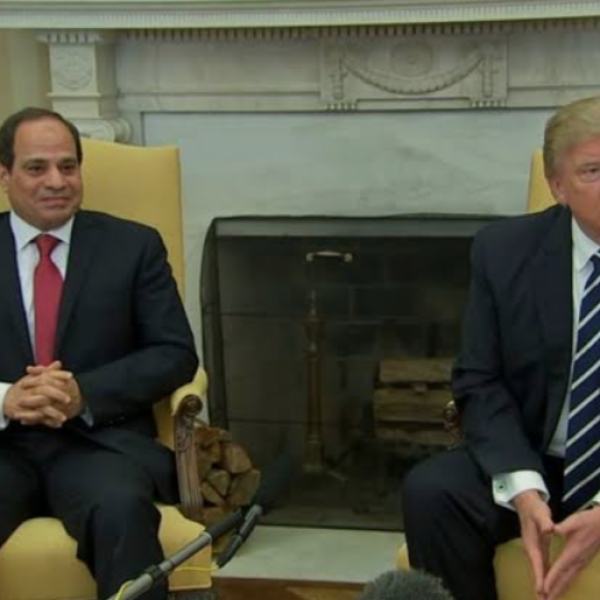
The United States has recently decided to waive human rights conditions tied to $320 million in military aid to Egypt, a move that highlights the complexities of U.S.-Egypt relations. This decision, confirmed by U.S. Secretary of State Marco Rubio in a letter dated September 21, allows the funds to be released despite ongoing concerns about Egypt’s human rights practices.
Key Implications of the Aid Waiver
The $320 million in question is part of the annual military assistance that the U.S. provides to Egypt, totaling approximately $1.3 billion. Traditionally, portions of this aid have been contingent on Egypt’s adherence to human rights standards and democratic principles. However, this waiver underscores a pivot in U.S. policy, prioritizing national security interests over human rights advocacy. The U.S. State Department has stated that Egypt’s strategic importance and its cooperation on security matters were significant factors prompting this decision.
In his letter to Congress, Rubio emphasized that waiving these restrictions was crucial for U.S. national security and for sustaining military ties between Washington and Cairo. He noted Egypt’s essential role in ensuring regional stability and contributing to diplomatic efforts, particularly in a volatile area like the Middle East. With Egypt actively engaging in mediating conflicts and addressing tensions, the granting of these funds aligns with broader American objectives in the region.
Historical Context of U.S.-Egypt Military Relations
The military relationship between the United States and Egypt has been a focal point of American foreign policy for decades, particularly since Egypt signed a peace treaty with Israel in 1979. This historic agreement led to significant military assistance from Washington, establishing a longstanding partnership. Throughout different administrations, U.S. leaders have consistently argued for the importance of maintaining this alliance given Egypt’s geographical significance and its role in counterterrorism initiatives.
However, this partnership is not without controversy. Human rights organizations and some members of Congress have continually criticized the Egyptian government for its track record on political repression, including the suppression of civil liberties and the detention of dissenters. In the past, various U.S. administrations have occasionally withheld aid or placed restrictions in response to these pressing concerns.
Balancing National Security and Human Rights Advocacy
This latest waiver reflects the ongoing tension in U.S. foreign policy, where strategic interests often clash with human rights considerations. While the U.S. has voiced concerns over Egypt’s governance, the argument persists that a cooperative relationship is vital for handling regional challenges. Egypt’s geographic position and its influence on security matters are viewed as too significant to overlook, despite the moral implications of supporting a government facing accusations of systemic human rights abuses.
The Egyptian government has consistently defended its practices, arguing that its policies are necessary for maintaining national security and stability in a complex political landscape. While this may justify the current waiver, it raises questions about the future of U.S. commitments to human rights, posing a challenge for policymakers who must navigate between ethical considerations and practical necessities.
In summary, the decision to waive human rights conditions on military aid to Egypt emphasizes the nuanced dynamics of U.S. foreign policy. As the situation evolves, the interplay between values and interests will remain a central theme in understanding the future of U.S.-Egypt relations.