
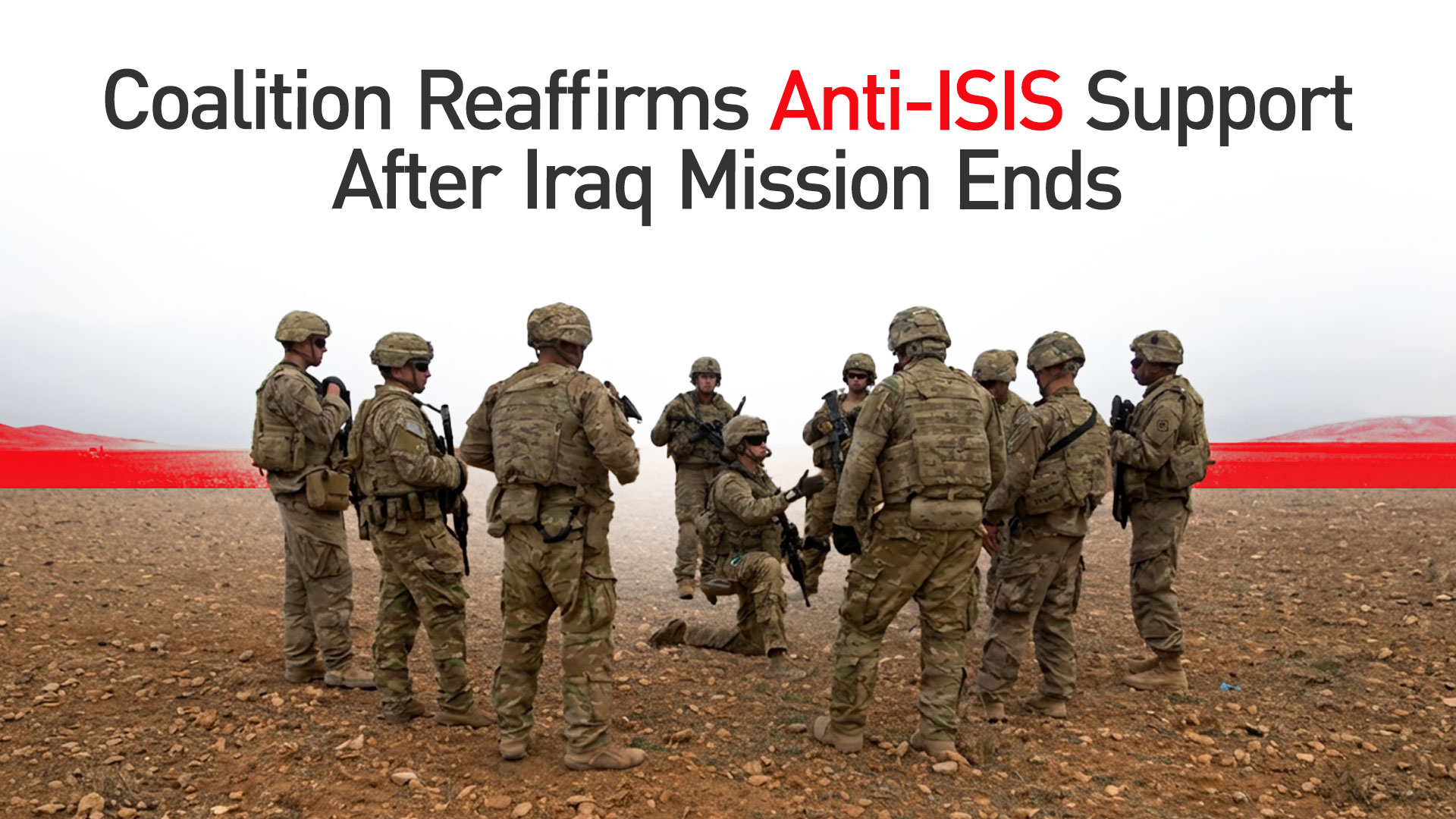
Members of the Global Coalition to Defeat ISIS have committed over $75 million to bolster counterterrorism efforts and meet humanitarian needs in Iraq and Syria following the formal conclusion of Operation Inherent Resolve (OIR). This significant announcement marks a pivotal moment as Iraqi security forces now take the primary role in preventing any resurgence of ISIS.
Transitioning Security Responsibility
The recent meeting held in Rome, co-chaired by Italy and the United States, gathered political leaders and diplomats from coalition nations to discuss ongoing support for Iraq and Syria. The United States Department of State emphasized the coalition’s recognition of Iraq’s progress in diminishing ISIS’s grip on the region. Despite the conclusion of OIR’s military mandate, the coalition’s commitment to countering ISIS remains robust.
Participants underscored the necessity of transitioning from direct military involvement to strengthening Iraqi and Syrian institutional capacities. The coalition aims to support the development of inclusive governance that can effectively address the root issues exploited by ISIS, with a focus on creating stable environments for all communities involved.
Financial Commitments for Counterterrorism
The pledges from coalition members encompass a range of initiatives, with more than $75 million set aside for various counterterrorism requirements. These funds will enhance detention facilities, improve health and sanitation services, and provide assistance to both displaced populations and those currently detained. The Syrian government outlined its priority needs, signaling the areas in which international assistance remains essential. Meanwhile, Iraq reiterated its commitment to lead the fight against ISIS, heralding a new phase in the ongoing struggle for security.
The discussions highlighted the importance of collaboration between Baghdad and Damascus, prioritizing cooperative efforts tailored toward their specific counterterrorism requirements. This partnership represents a broader strategy aimed at ensuring long-term stability and security across the region.
Post-Coalition Landscape and Ongoing Challenges
As Iraq and the Kurdistan Region move forward, the end of the coalition’s military mission shifts the focus directly onto Iraqi security institutions and the Peshmerga forces. They must demonstrate their ability to maintain pressure on ISIS while nurturing the international relations established during the lengthy campaign against the terrorist group. Increased coordination between Baghdad and Erbil has become paramount, especially given the unresolved security gaps in certain regions.
Officials from the Kurdistan Region have insisted that the conclusion of the coalition mandate should not diminish the importance of international partnerships, especially concerning security cooperation. Prime Minister Masrour Barzani has openly affirmed that relations with coalition countries will extend beyond military support, encompassing economic, political, and cultural dimensions.
Future Prospects and International Support
The Rome meeting’s outcomes reflect an ongoing international commitment to support Iraq and Syria during this critical transition. Rather than focusing solely on military objectives, coalition members aim to foster an environment conducive to healing and growth by strengthening local institutions. This nuanced approach is vital for Iraq, which must now balance its responsibility for internal security with the necessity of retaining international collaboration to preempt any resurgence of extremist threats.
As Iraq charts its path forward, the focus will be on creating an inclusive approach that addresses historical grievances, ensuring that the conditions that once allowed ISIS to thrive do not re-emerge. By reinforcing local capacities and maintaining international support, Iraq and Syria can work towards a more secure and stable future.