
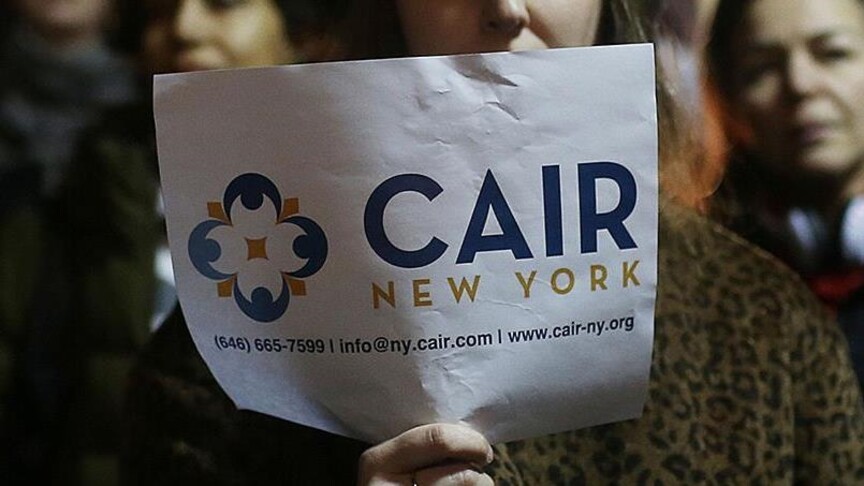
The ongoing conflict between Israel and Palestine has resulted in significant international scrutiny, especially regarding the treatment of American citizens caught in the fray. Recently, the Council on American-Islamic Relations (CAIR) has taken a strong stance against the detention of Abdalkareem Issa Ahmed Safi, an American teenager imprisoned in Israel for nearly four months without formal charges. This situation has raised serious concerns about human rights violations and the responsibilities of the U.S. government regarding its citizens abroad.
Demands for Immediate Action
CAIR’s national executive director, Nihad Awad, has called upon both the White House and Congress to advocate for Safi’s release, labeling his detention as an “abduction” by the Israeli government. Awad emphasized that it is unacceptable for an American citizen to be held without any criminal charges, highlighting the potential for torture in Israeli prisons. He urged Congress to leverage its oversight authority to ensure the State Department prioritizes Safi’s swift release.
Awad’s statement reflects a growing frustration with the situation. He pointed out that the U.S. administration has both a legal and ethical obligation to protect its citizens living abroad, particularly in countries where human rights violations are prevalent. The message was clear: American taxpayer dollars should not support governments that mistreat their citizens.
The Circumstances Surrounding Safi’s Detention
Safi, originally from Texas, was reportedly detained in June when Israeli forces conducted a nighttime raid on his family’s home in Jalazone, located near Ramallah in the occupied West Bank. According to statements from various advocacy groups, he is the third American of Palestinian descent to be detained without charge or trial, following the detention of Sama Safi and Adam Karakrah. This pattern of administrative detention—where individuals can be held indefinitely without facing formal charges—raises troubling questions about due process and legality.
Reports suggest that shortly after his capture, Safi was subject to an administrative detention order issued by Israeli authorities. This order is often based on undisclosed information, making it difficult for legal counsel and family to challenge the detention effectively. The prolonged holding of individuals like Safi without due process has ignited discussions around human rights and the legality of such practices.
U.S. Government’s Stance
In response to the unfolding situation, a spokesman for the U.S. State Department acknowledged awareness of Safi’s detention. While affirming the administration’s commitment to assist American citizens abroad, he noted that the safety and security of Americans is the department’s utmost priority. The spokesperson mentioned ongoing efforts to secure humane treatment, medical care, and regular consular access for detained citizens.
However, the administration has opted not to provide additional details regarding the case, citing privacy and other concerns. This reluctance to fully disclose information has led to skepticism about the effectiveness of U.S. efforts to intervene in cases of wrongful detention abroad.
Ultimately, the situation surrounding Abdalkareem Safi underscores the urgent need for accountability within both the Israeli justice system and the U.S. government’s response to its citizens’ safety abroad. As the calls for justice grow louder, it remains pivotal for U.S. lawmakers to demand transparency and action, ensuring that American citizens are granted due process—regardless of where they find themselves in the world.