
Introduction to Al-Sarfa and Its Significance
On October 3, the rise of the Al-Sarfa star signals the start of a 13-day period in Qatar’s traditional seasonal calendar. According to the Qatar Meteorology Department, this marks the third star of autumn and indicates a significant change in weather patterns.
The Transition of Seasons with Al-Sarfa
Al-Sarfa is typically linked to the gradual decline of summer temperatures, ushering in cooler conditions, especially in the mornings and evenings. The name “Al-Sarfa” is derived from the Arabic term “tansarif,” which means “to depart” or “to turn away.” This etymology echoes a traditional belief that when Al-Sarfa rises, the oppressive heat of summer begins to wane, transitioning to a more pleasant climate with the setting of the star.
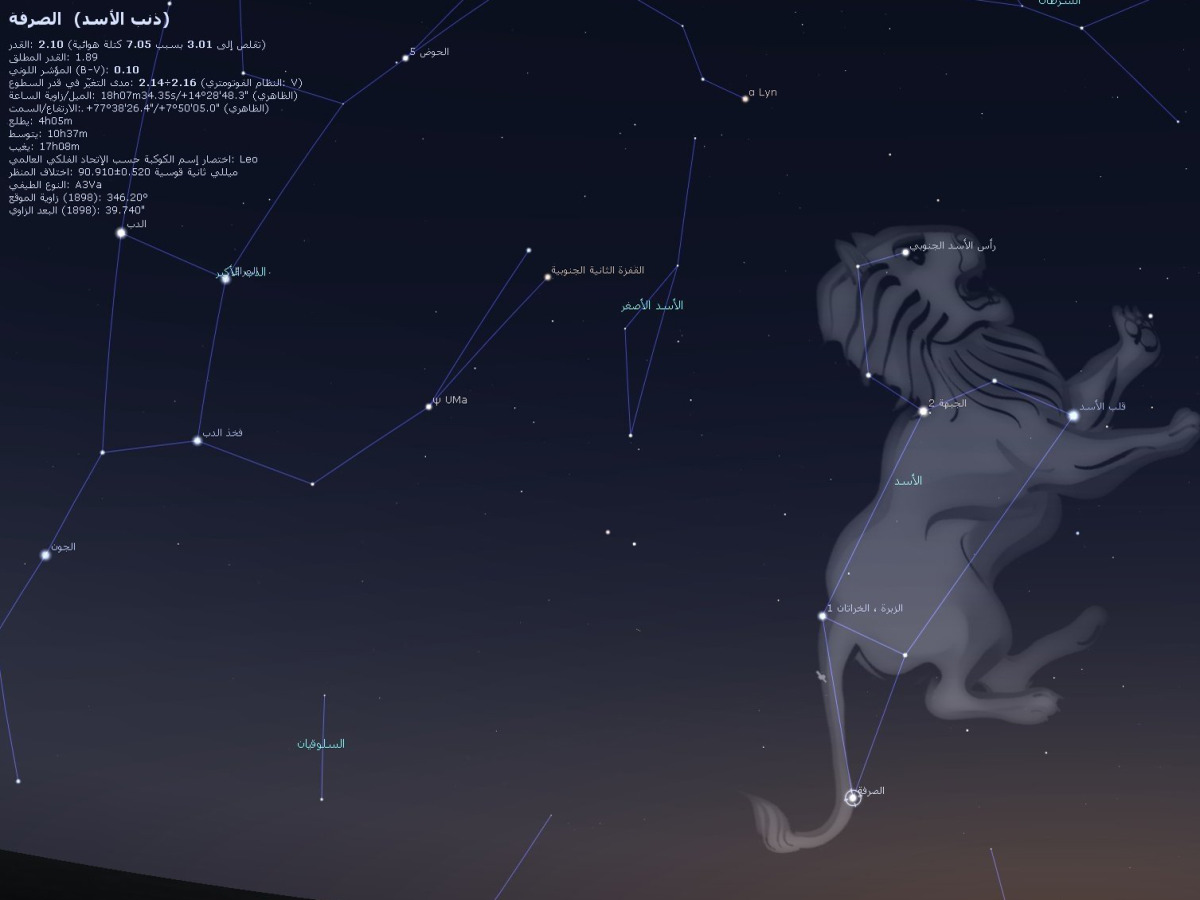
Known for its brightness, Al-Sarfa is often accompanied by several other faint stars in the night sky. Farmers have dubbed it “the last star of Suhail,” indicating its importance during this critical period of seasonal change. The appearance of Al-Sarfa not only heralds milder weather but is also associated with vital agricultural activities.
The Agricultural Impact of Al-Sarfa’s Rise
The 13-day window that begins with Al-Sarfa is crucial for agriculture, as it is tied to beneficial rainfall, which is essential for crop growth. During this time, farmers can expect the emergence of truffles, herbs, and flowers, making it an opportune moment to start planting. Crops like clover, legumes, and various winter vegetables are typically sown, taking advantage of the more temperate conditions.
Sheikh Salman bin Jabor Al-Thani, President of the Qatar Center for Space Sciences and Astronomy, highlighted that Al-Sarfa is correlated with Denebola, a star located at the tail of the Leo constellation. In his remarks, he emphasized that this astronomical event showcases a pivotal change as the intense heat of summer gradually yields to a cooler climate, promoting a more conducive environment for planting and growth.
Connecting Al-Sarfa to Traditional Weather Patterns
In traditional Qatari culture, the appearance of Al-Sarfa is not just an astronomical event but also signifies the beginning of the Al-Wasmi season. This period typically starts around the 55th to 60th day following the rise of Suhail, depending on weather conditions. The Al-Wasmi season is renowned for bringing more reliable rainfall, which is particularly beneficial for farmers and contributes to the fertility of the land.
In summary, the rise of Al-Sarfa on October 3 serves as a significant marker in Qatar’s seasonal calendar, representing not only a change in weather but also a call to farmers to prepare for new planting opportunities. As the intense summer heat recedes, the 13-day period that follows offers a welcome transition towards a more temperate climate, fostering agricultural growth and celebrating the intricate relationship between astronomy and traditional farming practices.