
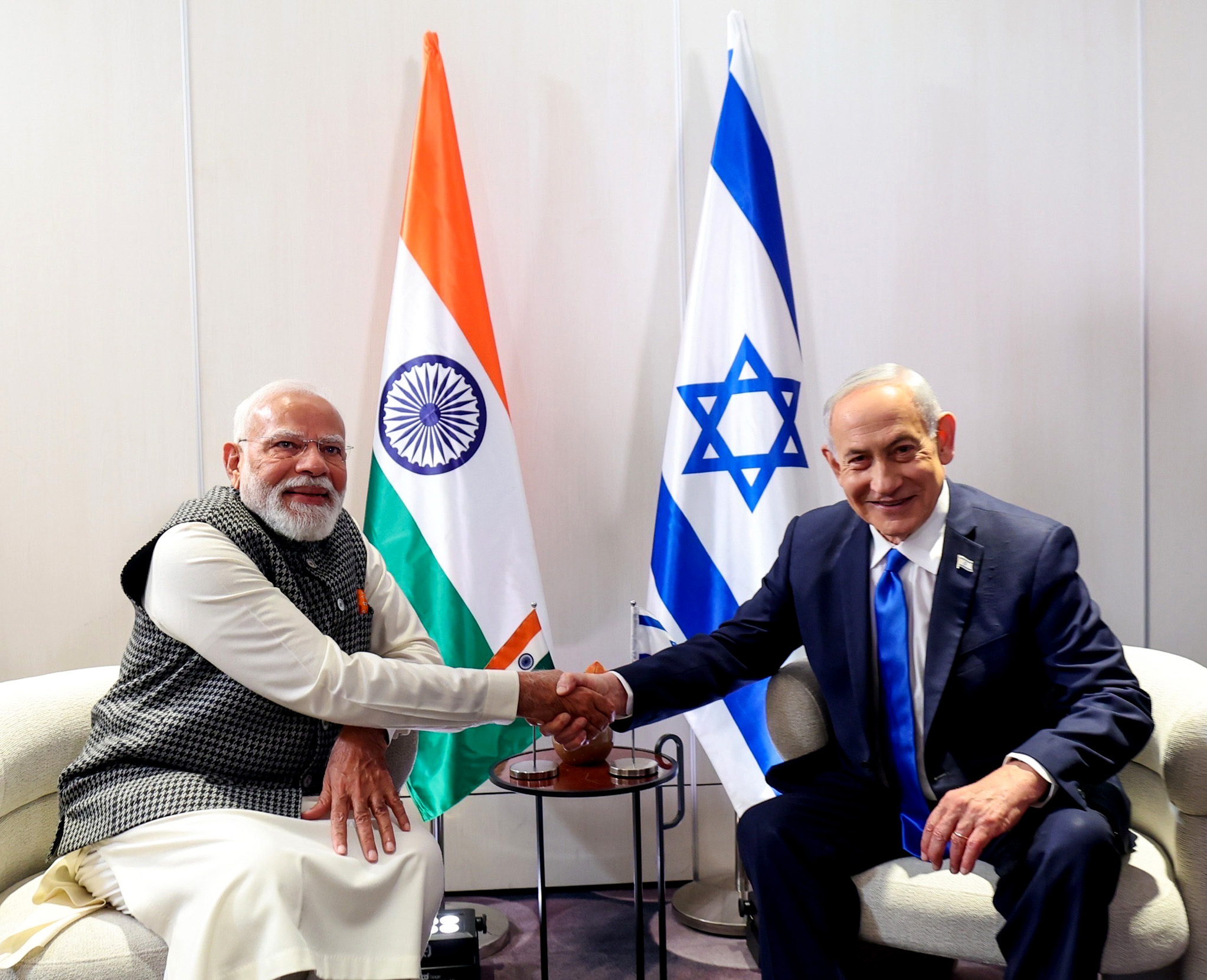
The ongoing geopolitical landscape has undergone significant transformations influenced by the tensions stemming from the Iran conflict. The evolving relationships among Israel, the United Arab Emirates (UAE), and India highlight the cooperative possibilities emerging from shared strategic interests. Experts suggest these nations are forging closer alignments that could reshape regional dynamics and bolster their collective defenses.
Strengthening Alliances in Response to Conflict
Recent events have galvanized partnerships between Israel, the UAE, and India, rooted in their mutual concerns over regional stability. The Israel-UAE collaboration gained momentum during the war, when Israel supplied the UAE with an Iron Dome defense system, along with personnel from the Israel Defense Forces (IDF) to safeguard the Gulf nation from potential Iranian threats. Simultaneously, India reinforced its support for the UAE by establishing an air bridge to facilitate trade, ensuring that the disruptions caused by the closure of the Strait of Hormuz did not severely impact the Emirati economy.
Experts note that the deepening ties between India and the UAE are not solely a response to the recent conflict but have been in development for some time. A strategic defense partnership agreement recently signed between New Delhi and Abu Dhabi is seen as a necessary step to address the fallout from the war. As these nations strengthen their collaboration, Israel remains a crucial ally, binding the trio through shared strategic objectives and economic interests.
Interconnecting Economic and Military Interests
At the heart of this emerging alliance lies a complex interplay of economic dynamics and defense strategies. Abdul-Hussain, a prominent expert on the subject, emphasizes that the anticipated increase in the UAE’s oil production could significantly benefit India, which is one of the world’s largest energy consumers. With the UAE considering a departure from OPEC to ramp up output, India may soon find itself as one of Abu Dhabi’s primary energy buyers, thus cementing a mutually beneficial relationship.
The collaboration also leverages India’s technological strengths and Israel’s defense capabilities, with the UAE positioned strategically as a hub for these nations. All three countries have substantial mutual interests that can fuel collective growth. By aligning their resources, expertise, and strategic objectives, they can amplify their strengths and confront shared adversaries.
Emerging Threats and Collective Defense Mechanisms
The recent developments in UAE-India relations highlight a growing recognition of the threats posed by rival powers, particularly Iran and Pakistan. As both India and the UAE perceive Pakistan as a regional adversary, the need for cooperation has become evident. Experts agree that consolidating efforts against common threats creates an opportunity for deeper military and technological collaboration among the three nations.
This emerging alignment is reflected in planned initiatives such as joint military patrols aimed at safeguarding vital shipping lanes from Iranian threats, as well as enhancing capabilities in cybersecurity and communication. Overall, the strategic partnership among Israel, the UAE, and India signifies not only a response to immediate risks but also a long-term vision for stability in a rapidly evolving geopolitical landscape.
In conclusion, the relationship between Israel, the UAE, and India is taking on new significance in light of recent conflicts and regional challenges. By fostering cooperation based on shared interests, these nations are positioning themselves to face common adversaries while enhancing their economic ties. The implications of these alliances extend beyond immediate military strategies, encapsulating a broader vision for regional stability and collaboration amidst ongoing geopolitical uncertainties.