
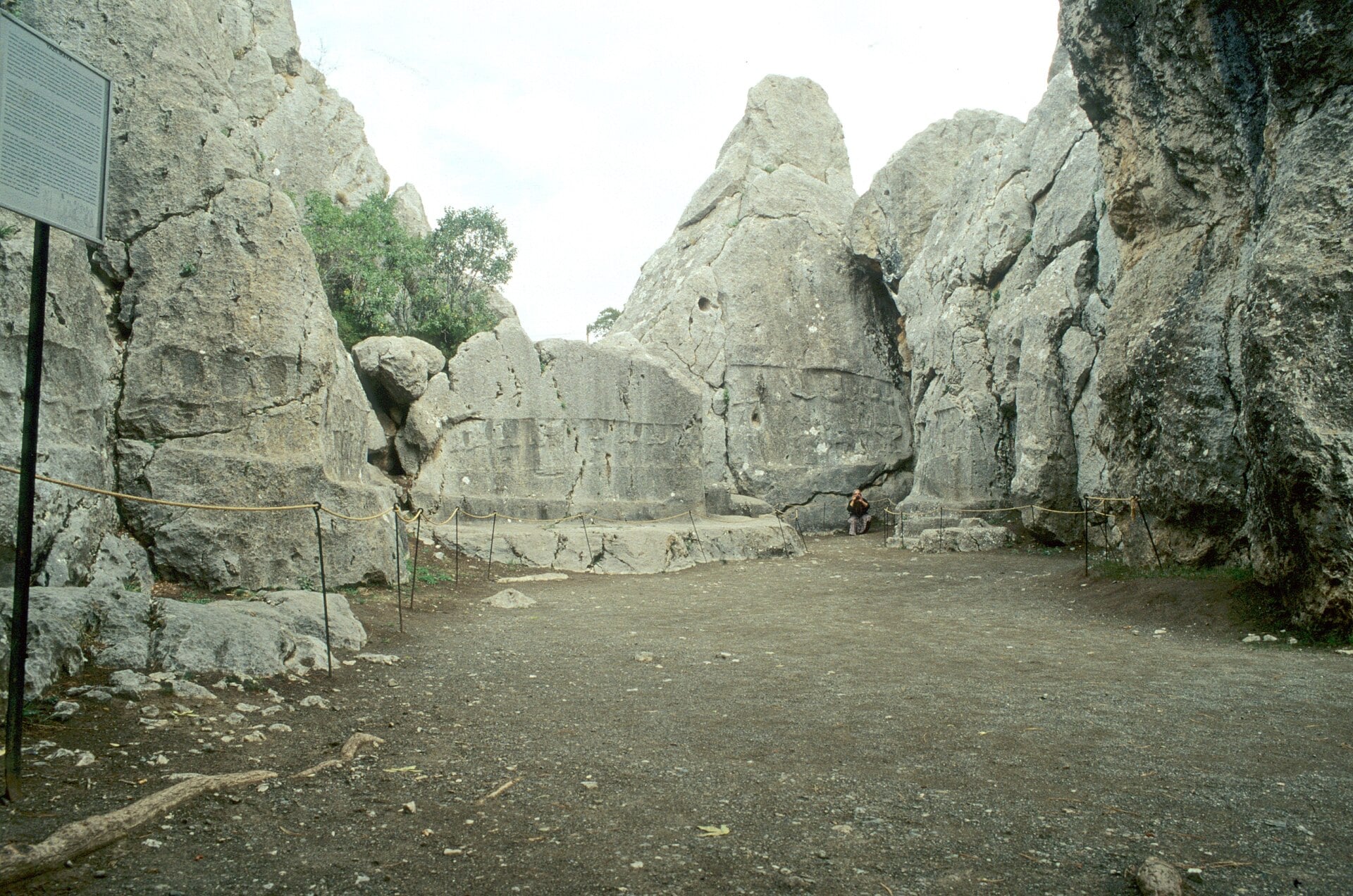
Archaeological discoveries continue to shed light on ancient civilizations, and recent excavations at Midas Castle in central Turkey have illuminated the defensive strategies of the Phrygians. This remarkable site, also known as Yazılıkaya, offers significant insights into how this ancient culture fortified one of its key settlements against potential threats.
Unearthing Ancient Defensive Structures
Researchers recently revealed a substantial section of an ancient fortification wall during excavations at Midas Castle. These findings provide tangible evidence of how the Phrygians integrated natural features with architectural ingenuity to create robust defense systems. The excavations, conducted at a site believed to have once served as a watchtower, exposed masonry preserved to a height of approximately 2.6 meters (8.5 feet). Intriguingly, the wall reveals a sophisticated design that effectively sealed gaps between rocky outcrops, thus fortifying vulnerable access points to the plateau.
Professor Yusuf Polat, who is leading the excavation efforts from Anadolu University, emphasized the importance of this discovery in understanding the fortress system’s layout. The steep volcanic tuff surrounding the plateau offered natural barriers that the ancient builders took advantage of. This strategic use of the landscape indicates that the Phrygians were adept at enhancing their defensive structures by incorporating natural geographic features rather than relying solely on continuous walls.
Integrating Nature into Defense
The Phrygians displayed a unique architectural approach by blending the landscape into their fortifications. Instead of constructing an uninterrupted stone wall encircling the plateau, they focused on reinforcing areas where the cliffs could not provide adequate protection. Evidence suggests that builders carved stepped foundations and grooves into the bedrock to stabilize masonry, reinforcing the site’s defenses effectively. Earlier excavations had identified smaller remnants of this fortification on the southeastern side, but the recently uncovered wall showcases a much more extensive portion of this intricate defense system.
Historical Context from Pottery Discoveries
During the excavation, archaeologists uncovered pottery dating back to the eighth and seventh centuries B.C. While these artifacts alone do not definitively date the exposed wall, they provide critical archaeological context. Such findings can help researchers deduce the timeline of when the fortifications were constructed and enhanced. The discovery aligns with previous studies that suggest significant phases of activity during the eighth century B.C., a period of notable development within the Phrygian culture.
These insights are corroborated by tree-ring studies from Gordion, the ancient Phrygian capital, which indicate substantial construction activities around 832 B.C. The new evidence from Midas Castle adds another layer to our understanding of the region’s evolving defensive networks.
A Multi-faceted Significance
Midas Castle was not just a military stronghold; it occupied a vital position within a sacred landscape dotted with monuments, sanctuaries, and other fortified sites. One of its most remarkable features is the Midas Monument, a grand rock-cut façade inscribed in Old Phrygian language that commemorates the famed ruler. The monument and the surrounding areas reveal the cultural and religious complexities of the Phrygian civilization, highlighting their connections to both sacred practices and defensive strategies.
Recent archaeological efforts continue to uncover additional sites that showcase the diversity of this ancient culture. The latest findings promise to enhance the existing knowledge surrounding Midas Castle and its defensive architecture while enriching the broader narrative of Phrygian history. As excavations continue, the physical walls constructed thousands of years ago are beginning to provide archaeologists with valuable glimpses into the past.