
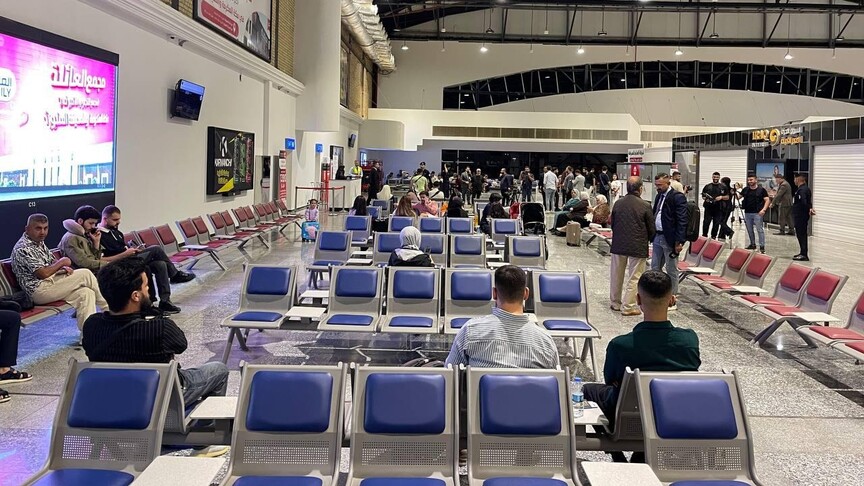
On October 4, 2026, Najaf International Airport in Iraq is set to resume flights to Iran, marking a significant development following a temporary suspension. This reopening comes as a result of the United States granting a limited exemption to its sanctions program, aimed at enhancing travel and humanitarian efforts between the two nations.
Resumption of Flights
The airport’s management announced that there will initially be three evening flights resuming after a brief halt in operations. The decision has been widely communicated through the Iraqi News Agency, noting the gradual increase in Iranian flights expected in the days ahead, contingent on airline schedules. This marks an important step back toward normalcy in travel and logistics for both countries.
Agreement Among Leaders
On the preceding Friday, Iraq’s Prime Minister’s media office unveiled a new agreement, which allows Iranian airlines to conduct up to 40 flights each day to and from Najaf International Airport, with the exception of Mahan Air. This arrangement aims to boost travel for various purposes, including humanitarian assistance, medical treatments, tourism, and educational opportunities, thereby delivering a much-needed lifeline for many residents.
Diplomatic Implications
The recent developments prompted a welcome response from Iraq, particularly from officials like Al-Zaidi, who expressed gratitude for the US’s cooperation in facilitating this crucial exemption. The arrangement illustrates an ongoing collaborative effort to alleviate travel restrictions that have hindered movement and interaction between the two countries.
Context of Ongoing Sanctions
The resumption of flights occurs against the backdrop of broader economic sanctions imposed by the United States on Iranian airlines. Last month, US Treasury Secretary Scott Bessent highlighted these sanctions, stating that they are part of a strategic initiative to exert economic pressure on Iran. Despite these sanctions, the recent exemption underscores an effort to navigate the complex geopolitical landscape and human needs, as diplomatic negotiations continue regarding the US-Iran relationship.
This new phase in air travel between Iraq and Iran reflects a blend of humanitarian and diplomatic interests. By allowing increased flight operations, both countries aim to enhance the welfare of their citizens while navigating the intricate web of international relations and sanctions. The effectiveness of this agreement will likely depend on subsequent developments, but it stands as a positive moment in regional cooperation.