
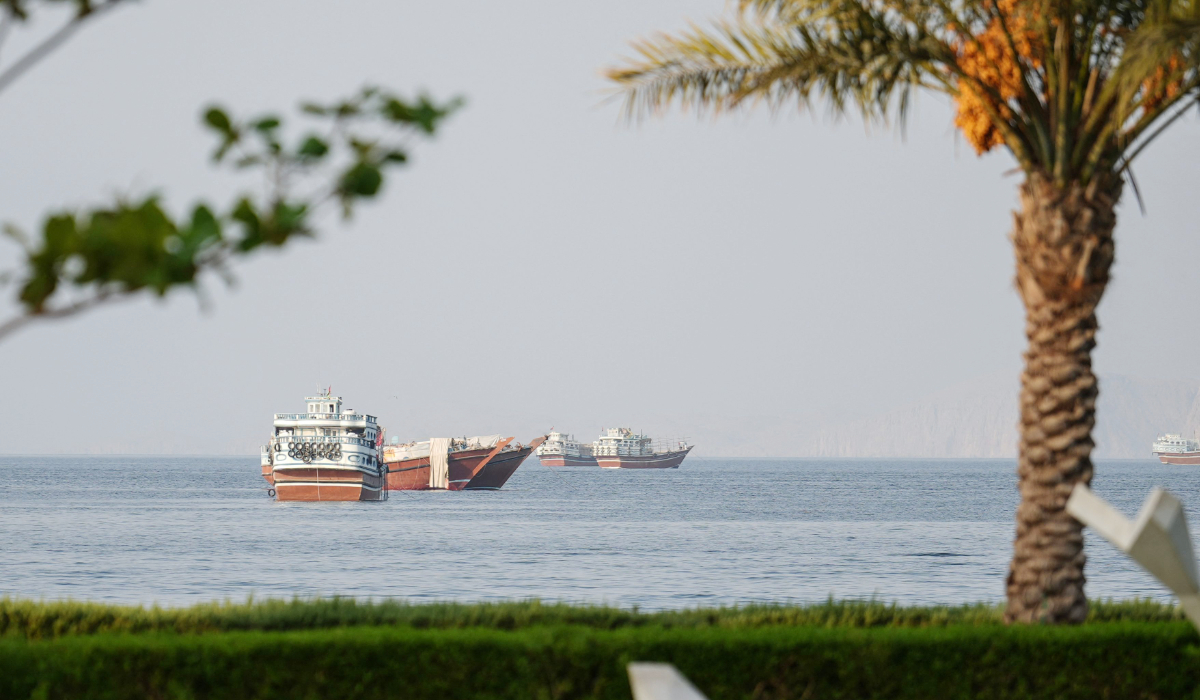
Iraq recently announced that it has successfully transported 2 million barrels of crude oil through the strategic Strait of Hormuz. This development highlights Iraq’s significant role in the global oil market and underscores the importance of this narrow waterway for the transportation of crude oil.
The Importance of the Strait of Hormuz for Oil Transportation
The Strait of Hormuz is a critical maritime chokepoint in the Middle East, serving as a key transit route for a significant portion of the world’s oil supply. Almost a fifth of all the oil traded globally passes through these waters, making it an essential artery for oil-exporting nations, especially those in the Gulf region. Iraq, along with its neighboring countries, relies heavily on this passage to maintain its oil exports, ensuring that its crude reaches international markets.
Given the geopolitical tensions and the fluctuating nature of oil prices, the significance of the Strait cannot be overstated. Any disruptions in this area can have widespread repercussions on global oil markets, leading to increased prices and economic instability. Therefore, Iraq’s ability to transport such a large volume of crude oil through this vital waterway is a crucial indicator of its export capabilities and economic resilience.
Iraq’s Oil Production and Export Trends
In recent years, Iraq has made substantial strides in boosting its oil production. The country possesses some of the largest oil reserves in the world, and its government has been keen on maximizing output to generate revenue. Transporting 2 million barrels through the Strait of Hormuz serves as a testament to Iraq’s commitment to enhancing its oil export capabilities, despite facing numerous challenges such as fluctuating global oil prices and regional instability.
Additionally, Iraq is focusing on diversifying its export routes to reduce reliance on the Strait of Hormuz, as any potential threats to this maritime passage could have dire consequences for its economy. Nevertheless, the recent transportation of crude oil reflects Iraq’s determination to remain a key player in the oil market, reinforcing its economic stability even in the face of uncertainties.
Impact on Global Oil Prices
The successful transportation of 2 million barrels of crude oil through the Strait of Hormuz could also have implications for global oil prices. Market analysts closely monitor pipeline flows and maritime cargoes, as changes in supply can significantly influence pricing dynamics. With Iraq increasing its exports, the potential for stabilizing oil prices could arise, particularly amidst ongoing geopolitical uncertainties.
Investors and energy stakeholders will likely watch how this development influences supply-demand equations in the coming weeks. A consistent flow of oil from Iraq could help alleviate some pressures faced by the market, assuming demand remains stable among major consumers.
Conclusion
Iraq’s recent achievement in transporting 2 million barrels through the Strait of Hormuz marks a significant milestone for the nation. This development not only emphasizes Iraq’s role in the global oil market but also highlights the strategic importance of the Strait of Hormuz as a transit route for a substantial portion of the world’s oil supply. As Iraq continues to bolster its production capabilities, its actions will inevitably play a crucial role in shaping the dynamics of global oil prices and supply chains moving forward.