
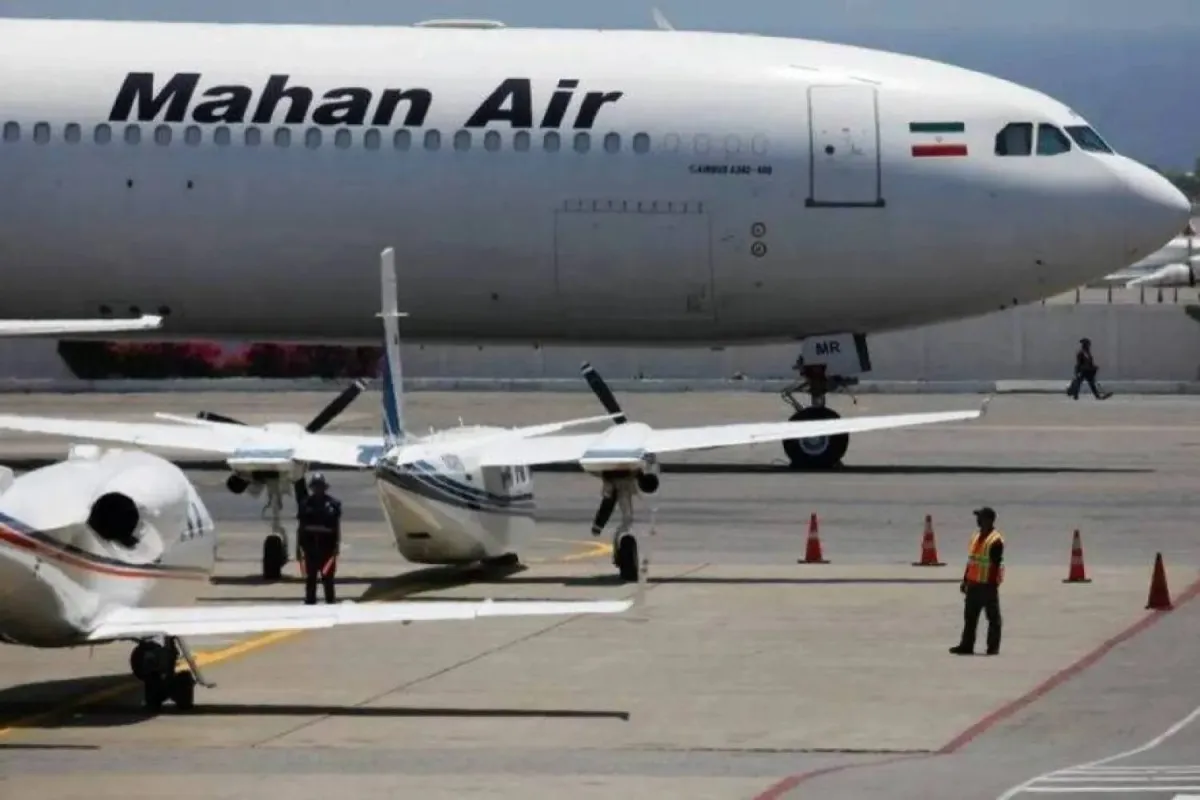
The recent development in Iraq’s aviation landscape marks a significant shift in the country’s diplomatic relations. Under pressure from various armed factions, Prime Minister Ali al-Zaidi’s administration has successfully gained approval from the United States for specific Iranian airlines to operate numerous flights to and from Najaf airport. This decision has generated a mix of reactions, particularly among groups aligned with Iran.
New Flights to Najaf Airport
The US Treasury Department’s decision to grant a limited one-month license allows selected Iranian airlines—excluding Mahan Air—to execute 40 daily flights at Najaf airport. This move is seen as a strategic effort to stabilize Iraq’s fragile ties with Iran, especially amidst ongoing tensions in the region. Najaf airport, known for its significance in Shia religious pilgrimage, is poised to handle a considerable increase in air traffic, which could bolster both national and regional economic prospects.
Reactions from Iran-aligned Groups
The approval has been met with praise from various factions within Iraq that have strong ties to Iran. They see this development as a means to enhance their influence and solidify relations between the two neighboring countries. Supporters believe that these flights will not only facilitate pilgrimage tourism but could also pave the way for increased economic collaboration that benefits both nations. For these groups, this endorsement from the US also creates an opportunity to strengthen their position within Iraqi politics.
US Involvement and Strategic Implications
The US involvement in this aviation agreement indicates a complicated relationship between Iraq, Iran, and the West. While the acknowledgment of flights serves as a concession to Iranian interests, it also reflects the US’s broader strategy of engaging with Iraq to stabilize the region. Such a move could serve to mitigate some of the hostilities between Iran and the US, but skepticism remains regarding the long-term implications for Iraq’s independence and sovereignty.
Changing Dynamics in Iraqi Governance
Prime Minister Ali al-Zaidi finds himself navigating a complex political landscape where armed factions exert considerable pressure on his administration. The approval of Iranian flights is one of the first key actions of his government, showcasing his willingness to engage with international powers while addressing domestic challenges. However, balancing these external influences with internal stability will prove crucial for his administration’s longevity.
As the aviation route opens up, it’s essential to closely monitor the socio-political ramifications within Iraq. The dynamics will likely evolve, potentially influencing various aspects of governance, economics, and public sentiment. It remains to be seen how this strategic decision will affect Iraq’s autonomy in their foreign relations and how it will be perceived by factions resistant to Iran’s influence.