
In the years 2022-2025, Saudi Arabia experienced notable growth in its non-oil sector, approximately 5%, according to Ahmed bin Nasser Al-Rajhi, the deputy chairman of the Saudi Economic Association. Despite a downturn in oil performance, this growth signifies a shift towards a more resilient economic model. The dependency on oil revenues is diminishing, with the oil sector’s contribution to GDP reduced to around 20%. Such transformation underscores the kingdom’s commitment to diversifying its economy.
Impressive Economic Growth Amid Oil Industry Challenges
Al-Rajhi highlights that from 2016 to 2019, during a period of lower oil prices, the non-oil sector also flourished, achieving similar growth rates. This continuity of expansion emphasizes that economic diversification is not merely a strategic initiative but a vital mechanism that provides resilience against external market fluctuations. By fostering various sectors, Saudi Arabia is building a more sustainable economic future that lessens reliance on volatile oil markets.
Strong Reserves Provide Economic Stability
The Saudi Central Bank reported that the kingdom’s reserve assets reached $487.3 billion by August 2026, reinforcing confidence in the financial stability of the nation. Al-Rajhi noted that robust government reserves and a strong banking sector act as a safety net against potential economic upheavals. However, he cautions that increasing government borrowing and rising financial demands from businesses could place additional strain on domestic liquidity, especially in the context of elevated interest rates.
To address these challenges, Al-Rajhi encourages diversifying funding sources and exploring international markets more vigorously. This approach could greatly enhance access to credit for small and medium-sized enterprises, ultimately promoting further economic growth and stability.
Enhancing Economic Resilience through Diversification
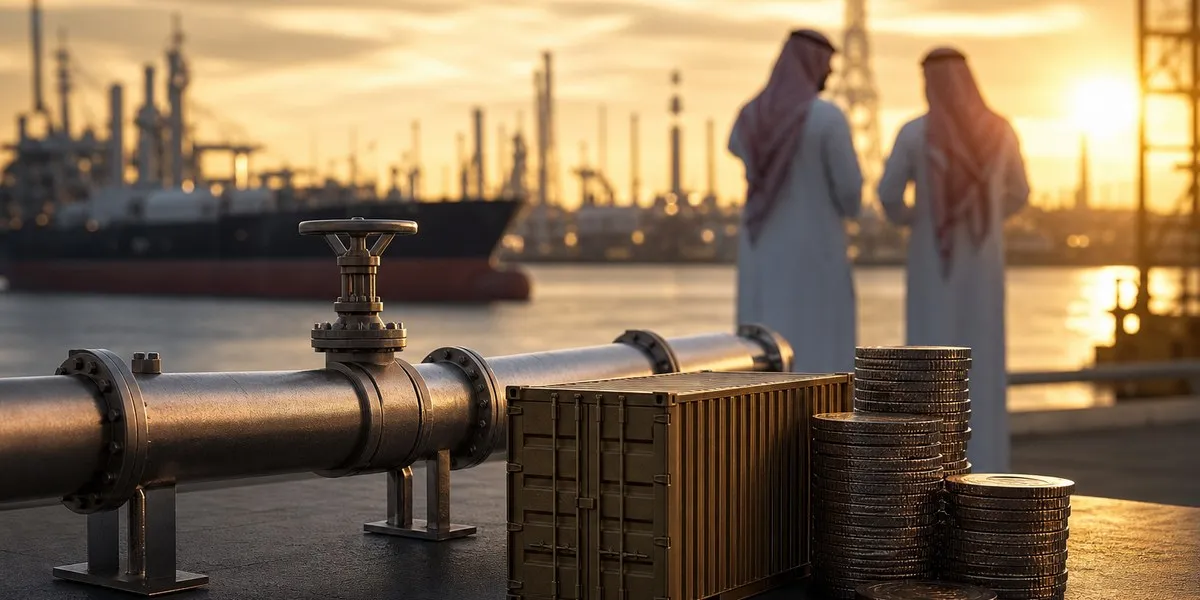
Experts assert that the long-term economic resilience of Saudi Arabia will also hinge on the development of alternative export and transportation routes. The East-West pipeline, for example, facilitates oil transport from Eastern production areas to Yanbu on the Red Sea, reducing dependency on traditional shipping lanes. This strategic infrastructure supports the diversification of trade options and solidifies the kingdom’s position in global markets.
Tim Callen, the former head of the IMF mission in Saudi Arabia, emphasizes that while financial reserves are essential, they are not the sole determinant of resilience. The kingdom must also focus on diversifying its production capabilities, broadening its export markets, and enhancing transport infrastructure. The ability of state institutions to rapidly address crises is also crucial, ensuring the nation can adapt and sustain its growth trajectory amid global uncertainties.
In conclusion, Saudi Arabia’s concerted efforts toward economic diversification are beginning to bear fruit, with significant growth in its non-oil sector. By enhancing its financial reserves, expanding alternative transport routes, and fostering a supportive environment for businesses, the nation is laying the groundwork for a less oil-dependent economy. As it navigates the complexities of both local and international markets, Saudi Arabia appears committed to achieving sustained economic resilience.