
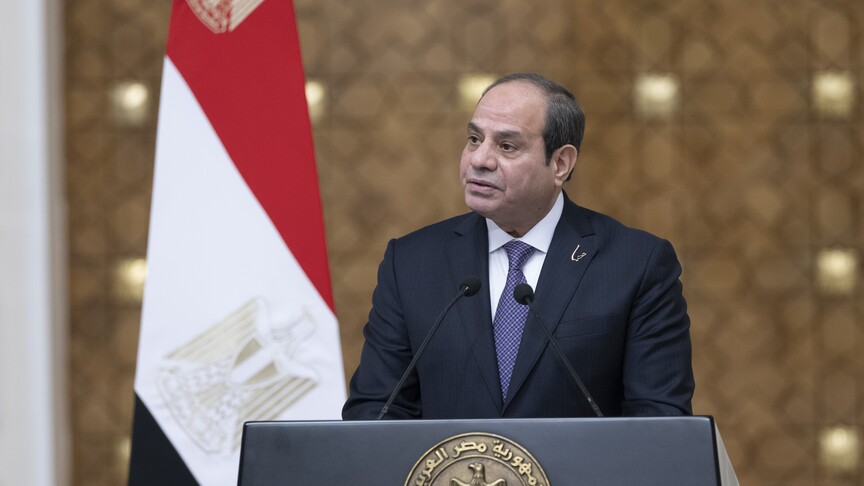
Egypt’s President Abdel Fattah al-Sisi has reiterated the nation’s stance against foreign intervention in Africa during the African Union’s eighth midyear coordination meeting held in El Alamein. He emphasized the importance of African nations working together to manage shared natural resources and rivers.
Rejecting Foreign Interference
During the meeting, Sisi made it clear that Egypt strongly opposes external meddling in African affairs. He called for mutual respect and cooperation among African countries, highlighting that effective relationships should prioritize sovereignty and territorial integrity. Sisi’s remarks underline a commitment to fostering unity on the continent, urging nations to transcend unilateral interests that may endanger regional stability.
“Egypt reaffirms its firm rejection of any external interference in the internal affairs of African states,” he stated. This position is crucial as it showcases Egypt’s leadership role in promoting African solidarity and independence from foreign influence. Sisi underscored the significance of treating cross-border issues as opportunities for collaboration rather than competition, particularly concerning the management of shared water resources.
Capitalizing on Shared Resources
In discussing the challenges of resource management, Sisi pointed out that sustainable practices represent a litmus test for African countries’ capabilities. “The sustainable management of shared resources, particularly water, represents a real test of African countries’ ability to integrate,” he asserted. He maintained that the right to development must be balanced with the consideration for neighboring states to ensure equitable benefits.
Egypt’s geographic position heightens its awareness of the importance of water resources, especially concerning the Nile River, which flows through multiple African nations. Sisi emphasized that cooperation regarding shared waters should adhere to international laws and principles of good neighborliness, aiming to avoid causing harm to any country involved.
The Nile Basin and Diplomatic Tensions
The Nile River Basin, which includes eleven countries, is central to Egypt’s interests. Cairo and Sudan have expressed objection to the Nile Basin Cooperative Framework Agreement, asserting that earlier treaties on Nile water usage must be upheld. The Grand Ethiopian Renaissance Dam, constructed by Ethiopia, has led to significant diplomatic strains for over a decade, raising concerns in Egypt and Sudan regarding their water supplies.
Both Cairo and Khartoum are pressing for a legally binding agreement that governs the dam’s filling and operation, as they worry about the long-term implications for their water availability. Meanwhile, Ethiopia insists that the dam is meant for developmental purposes and aims not to harm either of the downstream nations.
Tensions among Ethiopia, Eritrea, and Egypt have escalated, particularly following recent diplomatic expulsions and the severing of ties between Ethiopia and Eritrea. Ethiopia’s Foreign Ministry had previously alluded to potential Egyptian interference in conflicts involving the Ethiopian federal government, though Cairo has denied any involvement in these internal matters.
Advancing Economic Integration
Beyond political concerns, Sisi also spoke on economic issues, emphasizing the importance of the African Continental Free Trade Area, which came into effect in 2019. He highlighted the potential of this agreement to create a unified market in Africa, enhance intra-continental trade, facilitate industrial growth, and foster job creation.
“Africa should not remain merely a supplier of raw materials that it later imports as finished products,” he said, urging for the establishment of integrated value chains in the continent. The push for stronger manufacturing capabilities and economic collaboration aligns with Sisi’s call for African nations to prioritize economic integration as a vehicle for sustainable growth.
In conclusion, Egypt is championing a vision of collective progress for Africa, advocating for sovereignty, resource management, and economic integration all while firmly rejecting foreign intervention in the continent’s affairs.