
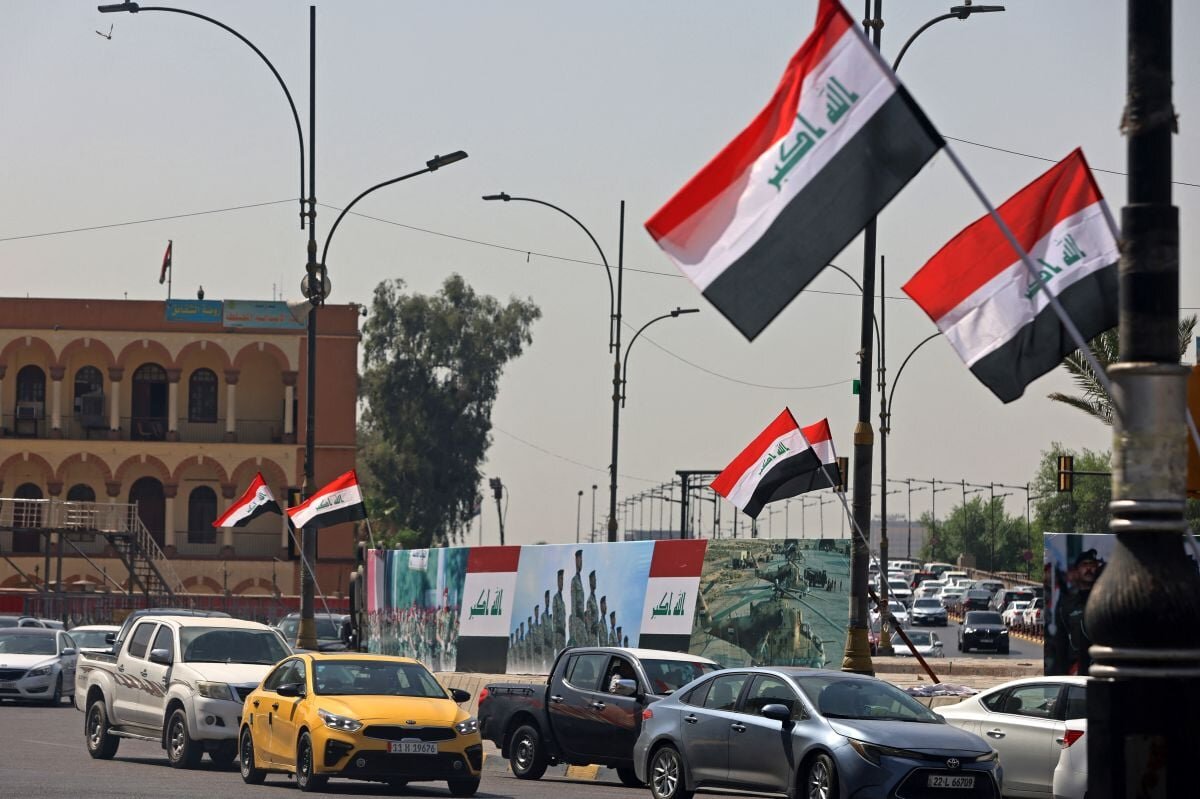
Introduction to Iraq’s Sovereignty
TEHRAN – The celebration of “Sovereignty Day” on September 30 has raised a pressing question for many Iraqis: is Baghdad truly able to make independent decisions? As U.S. forces have withdrawn their last troops, leaving behind a journey that has been tumultuous since 2003, Iraq finds itself at a crossroads. While the exit of foreign military personnel is a monumental step, it brings forth deeper questions about Iraq’s capacity for true self-governance.
The Nature of True Sovereignty
Sovereignty goes beyond the mere absence of foreign troops on Iraqi soil; it represents a country’s ability to make decisions and to accept the ramifications of those choices. As Iraq moves forward, the essential question remains: can it demonstrate effective sovereignty? Legal frameworks and international recognition are important, but the absence of robust institutions with real independence means that Iraq’s sovereignty remains largely nominal. A state is only as sovereign as its ability to operate independently, which demands a cohesive national will and the institutional fortitude to make critical choices—whether in governance, foreign relations, or economic policies.
Economic Challenges to Sovereignty
Iraq’s economy predominantly relies on oil, with more than 90% of its government budget sourced from oil sales. However, this dependency limits true economic sovereignty. Revenues are processed through systems linked to foreign institutions, creating barriers that hinder Iraq’s economic independence. Furthermore, Iraq continues to import basic needs, such as gas and electricity, which compromises its claim to sovereignty. The failure to transform natural wealth into internal development means that Iraq risks being at the mercy of external decisions for essential resources, including water from Turkey’s control over the Tigris and Euphrates rivers.
Building Institutional Capacity
For Iraq to solidify its sovereignty, it must shift from a structure dominated by competing factions to one based on cohesive, functional institutions. This reform is critical for establishing a national strategy that prioritizes the interests of its citizens over political party agendas. Iraq needs to cultivate an independent foreign policy influenced by domestic needs rather than external pressures. Achieving this requires a paradigm shift—transforming oil income into broad socio-economic development through education, infrastructure, and governance.
The Role of Civil Society and Governance
Sovereignty also encompasses the cultural and educational dimensions of Iraqi life. It is essential to ensure that the next generation is equipped with the tools necessary for nation-building. This involves shaping educational curricula and supporting scientific research and critical thinking to prevent a brain drain where educated youth seek opportunities abroad. A unified governance approach must extend into cultural sectors, ensuring that Iraqis have a stake in their national identity and future.
Conclusion: The Path Ahead
The withdrawal of U.S. forces is momentous, yet the real challenge lies in what comes next. Sovereignty is not merely an ornamental concept used during political dialogues; it is a fundamental aspect of a citizen’s daily life. As Iraq faces new realities, the onus is on its leaders to foster a united political will. Effective governance will rely on building effective, capable institutions, realizing that the success of Iraq hinges on internal reform and a commitment to genuine self-determination. The road ahead may be arduous, but it is essential for the creation of a truly sovereign Iraq—one where decisions made are reflective of its people’s best interests and grounded in reality, not just ideals.