
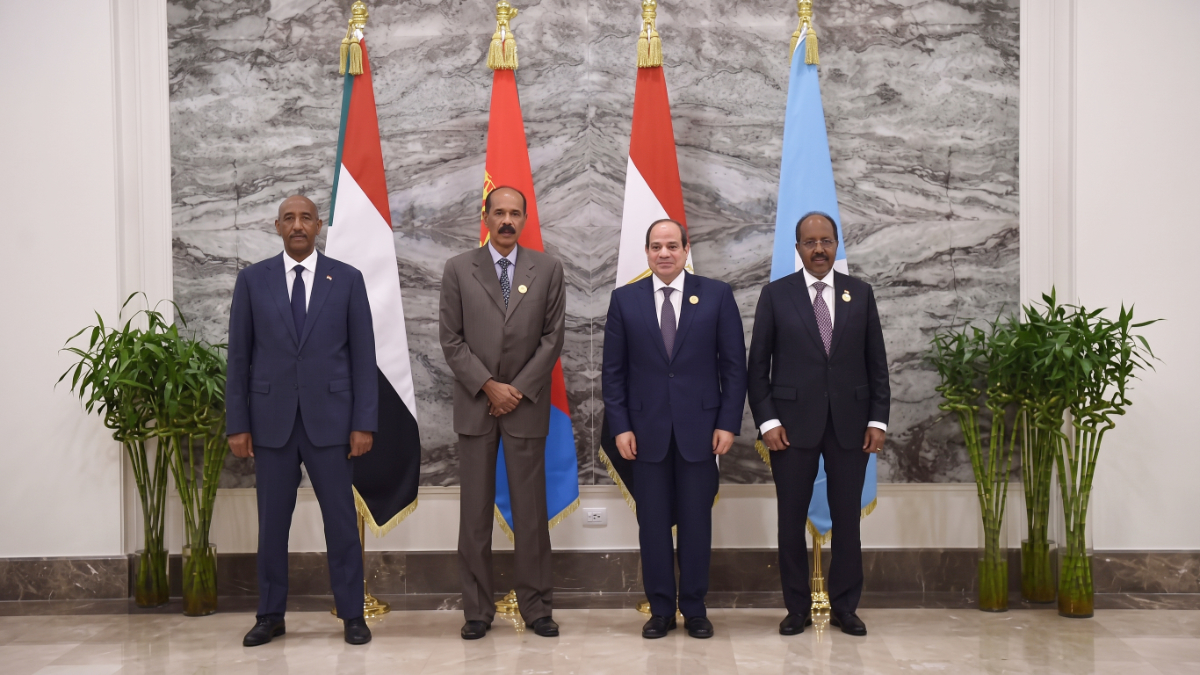
Ethiopia’s complex geopolitical landscape is undergoing significant scrutiny, particularly with the ongoing tensions involving its regional neighbors. Recent discussions at a summit in Egypt have highlighted the urgent need for peaceful resolutions to outstanding conflicts, emphasizing the critical role diplomacy plays in fostering stability and cooperation among nations.
The Importance of Diplomatic Dialogues
Diplomatic discussions are essential in addressing the myriad disputes that arise from historical grievances and resource management issues in the region. The summit in Egypt served as a platform for leaders to advocate for constructive dialogues rather than escalating tensions. Regional stability hinges on the ability of nations to engage in open conversations about their differences, especially concerning shared resources like the Nile River, which is a vital lifeline for several countries in Northeast Africa.
Regional Rivals and Their Collaborative Efforts
During the summit, it became evident that Ethiopia’s regional rivals are increasingly recognizing the necessity of collaboration to foster peace. Representatives from neighboring countries echoed a collective desire for diplomatic solutions and emphasized that military confrontations are not sustainable in the long term. This unified front against violence can pave the way for joint initiatives that address not only water-sharing agreements but also other pressing concerns like economic development and environmental sustainability.
Challenges to Achieving Peace
Despite the positive sentiments expressed at the summit, several challenges remain that could hinder any progress toward peace. Distrust among neighboring nations continues to be a significant barrier, with each country harboring deep-seated fears about economic and security implications of their rivals’ actions. Furthermore, misinformation and media portrayal of conflicts often exacerbate these tensions, necessitating a robust framework for accurate communication and reporting to prevent misunderstandings.
A Roadmap to Future Cooperation
To build a pathway toward lasting peace, it is essential for countries in the region to draft a comprehensive roadmap that encourages sustained cooperation. Establishing mechanisms for regular consultations can help maintain dialogue, allowing nations to address grievances before they escalate into open conflict. Additionally, fostering cultural and economic exchanges can create stronger ties among nations, promoting a sense of shared destiny and collective responsibility for regional stability.
Nevertheless, achieving peace is not just the responsibility of state actors. Civil society organizations have a vital role in advocating for dialogue and understanding among communities. Efforts to engage the public in peace-building initiatives can help bridge divides and foster a culture of collaboration that transcends national boundaries.
In conclusion, the discussions at the Egypt summit represent a promising step toward addressing long-standing regional disputes through peaceful dialogue. By prioritizing diplomacy over military solutions and committing to collaborative efforts, Ethiopia and its neighbors can create a framework that not only addresses current tensions but also paves the way for future cooperation and prosperity in Northeast Africa. The journey toward peace is undoubtedly complex, but with collective will and commitment, the potential for a harmonious region is within reach.