
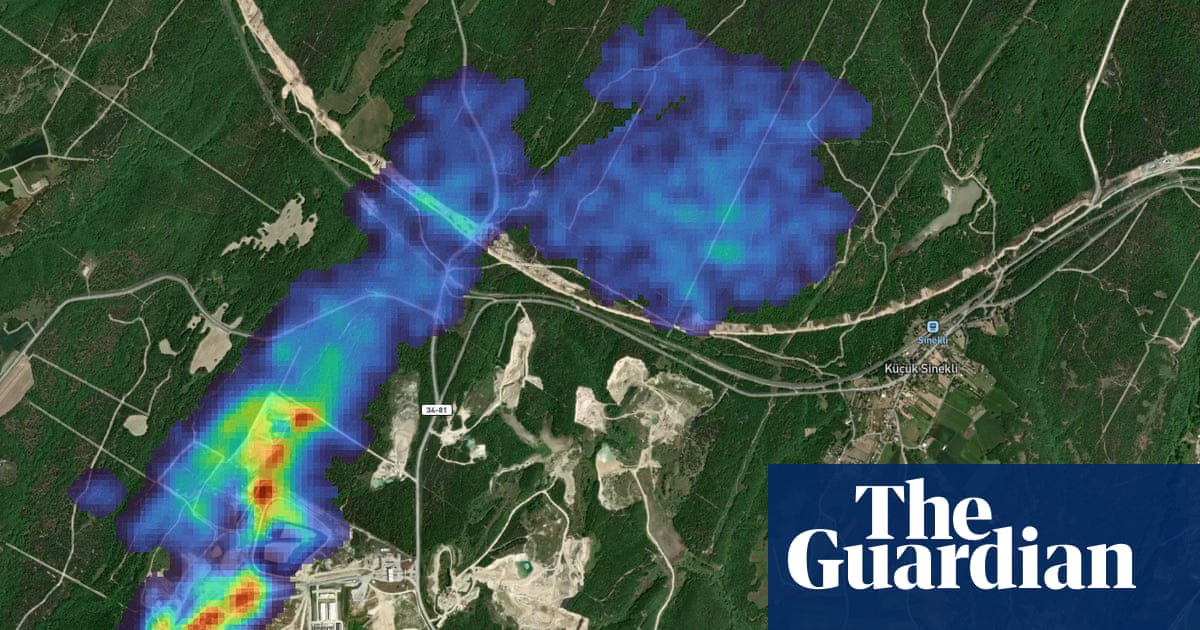
Residents in rural areas near Istanbul have long been perplexed by an unbearable odor that fills the air several nights a week. This stench, so overpowering it forces families to close their windows even during hot summer evenings, originates from the Silivri municipal waste dump located just a few miles away. As organic waste decays, it emits pungent gases, affecting the quality of life for those living nearby.
### The Impact of Methane Emissions
Kemalettin Özenç, a local resident, sums up the experience: “The smell is not subtle. It suffocates you.” When the air stands still, the stench becomes even more unbearable, compelling families to linger outside until late at night despite the discomfort it brings. This problem is not merely local; the gases released include methane, a significant contributor to climate change. Satellite images reveal that Silivri is Turkey’s largest “super-emitting” waste site, releasing an astonishing average of 7.4 tonnes of methane per hour. This is comparable to the exhaust emissions of 1.5 million gas-guzzling vehicles, underlining the urgency of the situation.
### A Looming Climate Crisis
Recent research from UCLA highlights Turkey’s alarming methane emissions, particularly as the nation prepares to host the upcoming UN Climate Summit, Cop31. The Turkish government has expressed commitments to tackle methane emissions, placing this issue at the forefront of their agenda. Despite these pledges, the reality of the situation casts a shadow over their intentions. Significant leaks from landfills across the country, including from Silivri, risk undermining climate goals.
Those living near the dump have long sought accountability, but they face challenges. Özenç and others have tried calling attention to the issue through social media and petitions, but the fear of retaliation has silenced many. Nearby lies a notorious maximum-security prison, which adds an element of intimidation for those considering taking a stand.
### Confronting the Authorities
When local officials from the Istanbul municipality were presented with satellite evidence of the methane leaks, they expressed surprise. A spokesperson acknowledged the problem, attributing the emissions to areas of the landfill that were not yet covered. While he admitted improvements were necessary, the urgency of their response was called into question. A facility aimed at capturing methane for energy production exists at the site, but residents remain skeptical about its efficiency and the resolve to implement necessary changes.
### Opportunities for Change
Despite the troubling circumstances, experts believe Turkey has the potential to become a leader in reducing methane emissions if it efficiently manages its landfill sites. Many solutions already in practice worldwide can effectively address methane leaks. Public awareness regarding the magnitude of these emissions is the first crucial step toward making improvements. Though Turkey’s official records recognize uncontrolled methane release as a significant contributor to emissions, current legislation falls short, with a focus solely on monitoring carbon dioxide.
To alleviate the problem, it may be crucial to divert organic waste from landfills. For example, South Korea has successfully recycled close to 100% of its food waste. This proactive approach could significantly limit methane emissions originating from decomposing organic materials.
### A Political Quagmire
However, the political landscape may hinder progress in addressing these environmental issues. Major cities like Istanbul are currently under opposition control, complicating any efforts the government makes against localized pollution sources. The climate crisis looms large in the distance, but the realities on the ground are bogged down in political strife. Local residents, including Özenç, grow increasingly disillusioned, feeling powerless in a system where their voices seem to be easily ignored.
As they grapple with the lingering stench and its implications on their health, they can only watch and wait, hoping that their plight will eventually resonate with the authorities, inspiring meaningful change in their community.