
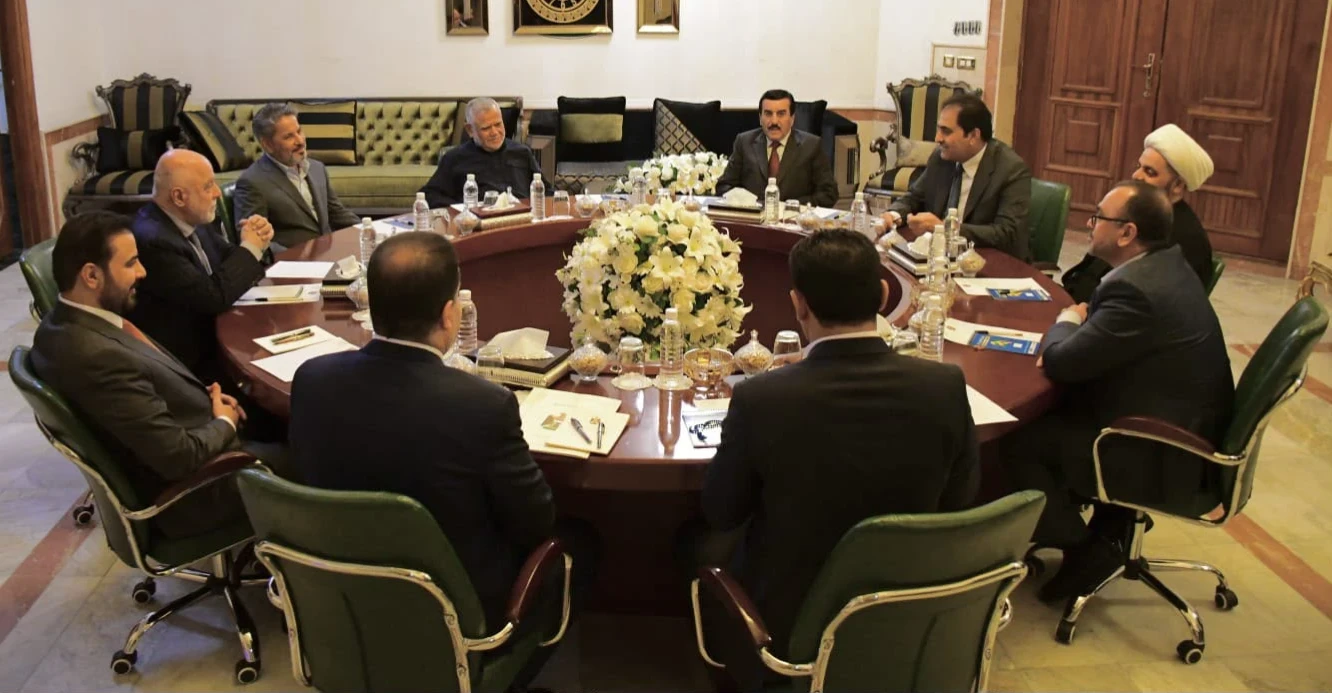
Iraq is currently experiencing pivotal political discussions as the Coordination Framework (CF), an alliance of Shiite parties, prepares to meet with Prime Minister Ali Al-Zaidi. These talks, which are set to take place on Monday evening, will focus on crucial topics such as the completion of the cabinet, ensuring weapons are under state control, and the development of the 2027 federal budget.
Key Parliamentary Developments
As per an informed source, a parliamentary vote on the remaining ministerial appointments may occur either later this week or early next week. This comes after the parliament had approved Al-Zaidi’s administration along with 14 ministers on May 14. However, there was a postponement on votes concerning nine ministerial portfolios due to disagreements among political factions. A government source highlighted the possibility that Al-Zaidi could present the remaining nominees as a “single package” if consensus among political figures remains elusive.
Weapons Control and Strategic Planning
In discussions surrounding the control of weapons, Baghdad initially tied this process to the conclusion of the U.S.-led Coalition mission by September 30. However, Al-Zaidi proposed a more gradual approach as of September 22. He suggested a 90-day suspension of attacks from factions in exchange for U.S. forces avoiding strikes, with a comprehensive handover of weapons planned for completion by June 30, 2027. Addressing this matter reflects a critical strategy to stabilize the region.
2027 Federal Budget Discussions
Finance Minister Faleh Al-Sari will participate in the upcoming meeting to talk about the draft budget for 2027, in addition to other financial, economic, and political matters. The Ministerial Council for the Economy previously approved the draft budget, which has been forwarded to the Council of Ministers for further consideration. Under the prior administration of Mohammed Shia Al-Sudani, Iraq had adopted a three-year budget covering 2023 to 2025, yet parliament did not ratify the spending plans for 2025 before the fiscal year closed, and no federal budget was established for 2026.
In summary, Iraq’s political environment is currently navigating significant transitions as leaders address critical issues within the government and national security. The outcomes of these discussions could shape the fabric of governance and stabilize Iraq’s political landscape moving forward.