
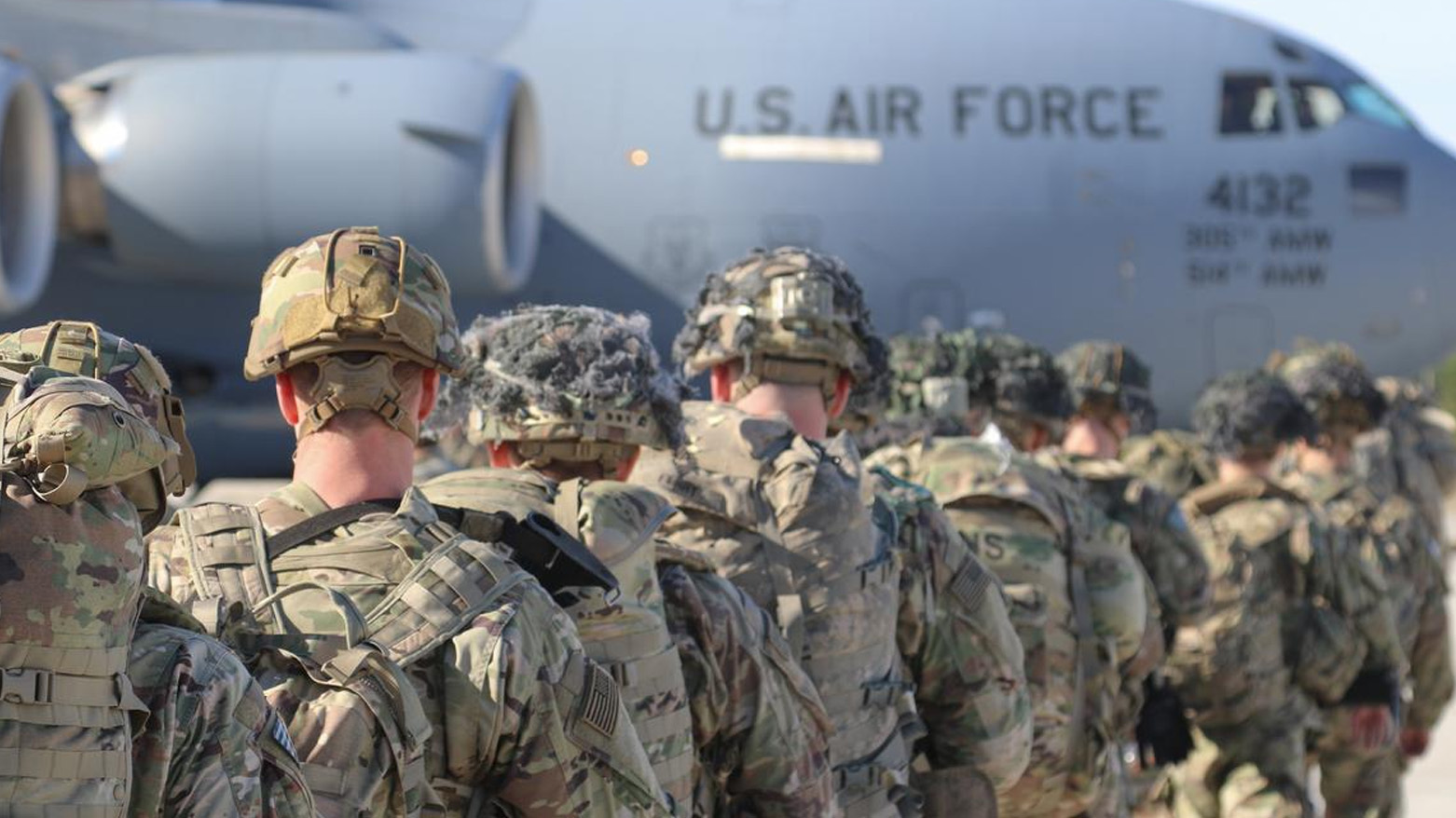
The withdrawal of American troops from Iraq on September 30, 2026, marks a pivotal moment in the country’s journey towards sovereignty and security. As Iraq navigates this transitional phase, it faces various challenges that require it to bolster its defenses, enhance cooperation between the Kurdistan region and Baghdad, and sustain effective international alliances. According to Tara Shwan, this reformulation of Iraq’s domestic and foreign policies is critical as armed factions and regional powers vie for increased influence.
The End of an Era
The complete exit of American forces signifies not just a military decision but also the culmination of years of political dialogue, conflict, and demands surrounding Iraq’s sovereignty. For many Iraqi factions, particularly within the Shia political circle, this event represents a long-awaited achievement, reinforcing the notion that Iraq should determine its own security without foreign intervention. However, the departure also unravels a layer of complexity in Iraq’s security dynamics. With American troops no longer present, the landscape shifts, raising questions about how the new strategic space will be filled and what it implies for Iraq’s self-governance.
Defining Sovereignty Beyond Occupation
Achieving sovereignty extends beyond the simple absence of foreign military presence. A truly sovereign state must have the ability to secure its own territory, exert control over its security apparatus, and engage in foreign policy driven by national interests. While Iraq has made strides since the intense upheaval caused by ISIS, the threat landscape has evolved. The lessons learned from the past are vital, as threats can resurrect in varied forms—insurgencies, political rifts, and a lack of authority can contribute to instability. Hence, while Iraq has improved its defenses, the challenge now lies in ensuring that no faction becomes more dominant than the government itself.
The Role of Regional Powers and International Partnerships
With the withdrawal of U.S. forces, Iraq finds itself in a more complex geopolitical framework. Regional powers like Iran and Turkey will undoubtedly seek to capitalize on this vacuum, pursuing their own interests through political, economic, and security channels. It is crucial for Baghdad to exhibit strength and strategic acumen in managing international relationships, ensuring that Iraq does not fall under the shadows of neighboring countries. The future of Iraq’s sovereignty depends on its ability to maintain a balanced foreign policy while bolstering domestic stability—an equilibrium that must also extend to the Kurdistan region.
Shaping the Future of Kurdistan
For the Kurdistan region, the end of American military presence alters the dynamics of security provisioning. Historically reliant on U.S. military support for reassurance, Kurdistan now faces the necessity of fortifying its own defenses and enhancing local governance. This requires not just a robust Peshmerga force but also a substantive strategy that focuses on intelligence, surveillance, rapid-response capabilities, and collaboration with Baghdad. The importance of mutual understanding between Erbil and Baghdad cannot be overstated, as only through unity can they effectively tackle the array of threats, both internal and external.
As Iraq transitions to this new chapter, the challenge of sovereignty morphs from a narrative of foreign military presence to one of internal resilience. The arrangements made today will determine whether the vacuum left by the U.S. is filled by stronger institutions or competing factions. The imperative for Iraq and its regions, particularly Kurdistan, is to evolve beyond mere military dependency and towards self-reliance, ensuring that a collective strategy for peace and stability prevails.
In conclusion, the critical timeframe that follows the American withdrawal demands that Iraq fortifies its capabilities, unifies its political factions, and constructs a balanced foreign approach. Achieving these goals will not only define Iraq’s future but also help address the immediate challenges confronting both Baghdad and Erbil in an increasingly competitive regional environment. The true measure of sovereignty will ultimately lie in Iraq’s ability to protect itself, govern effectively, and sustain meaningful partnerships, ensuring a stable and secure future for all its citizens.