
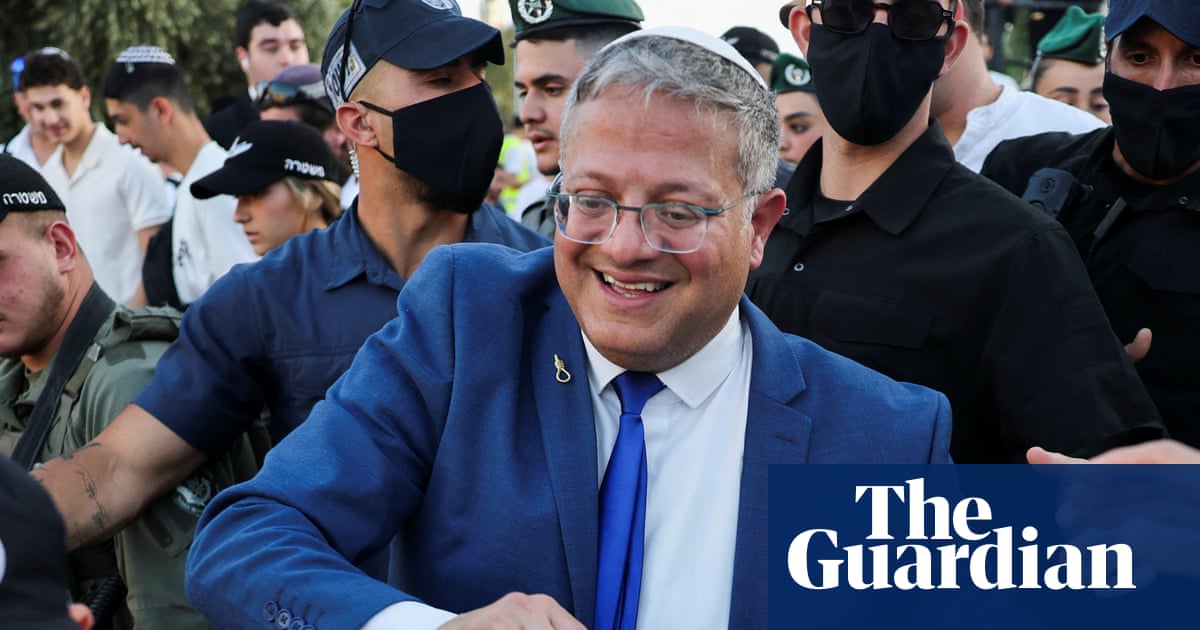
Itamar Ben-Gvir, Israel’s far-right national security minister, has provoked a significant diplomatic backlash after sharing a video that demonstrates the mistreatment of international activists detained while attempting to deliver aid to Gaza. The footage shows Israeli security forces abusing the activists, igniting outrage from several countries whose citizens were involved.
### Global Condemnation of Israeli Actions
Countries including the United Kingdom, Canada, Germany, the Netherlands, Spain, and Ireland expressed their outrage swiftly. Their governments were vocal, with leaders condemning the actions taken against the activists. Mike Huckabee, the U.S. ambassador to Israel and one of its strongest allies, labeled Ben-Gvir’s conduct as “despicable,” asserting it undermined the dignity of Israel itself. The published video features alarming visuals, displaying a line-up of people on their knees, bound, while Ben-Gvir mockingly waves an Israeli flag, further heightening tensions.
Italy’s Prime Minister, Giorgia Meloni, characterized the images as “unacceptable” and demanded not only the release of all Italian citizens involved but also an apology for their mistreatment. She emphasized that such treatment violates human dignity, reflecting a broader rejection of the images portrayed. Similarly, the Spanish foreign minister condemned the actions as “monstrous and inhumane,” while British politicians also expressed grave concerns over the disrespectful treatment displayed in the footage.
### Activists’ Background and Their Mission
The activists, numbering over 400 and originating from 40 different nations, departed Turkey on 50 vessels loaded with humanitarian aid, aiming to break the ongoing Israeli blockade of Gaza. This flotilla event marks yet another high-profile attempt to divert attention to the humanitarian crisis in the region. As the situation worsens daily, affecting the livelihoods of many Palestinians, international acts of solidarity such as this become critical.
In the wake of the flotilla’s interception by Israeli forces in international waters, South Korean President Lee Jae Myung also criticized the actions of Israel, calling them “way out of line.” He raised questions about the legal grounds for apprehending individuals outside Israeli territorial waters, indicating a growing concern around international law and human rights in such conflicts.
### Internal Israeli Responses to Ben-Gvir’s Conduct
Following the uproar, Israeli Prime Minister Benjamin Netanyahu was quick to distance the government from Ben-Gvir’s actions. He denounced the way the minister handled the activists and indicated he was acting against the values of Israel. Netanyahu went so far as to order the expeditious deportation of those involved, hinting at the internal rift within the Israeli government regarding handling international crises.
This incident has also amplified scrutiny from human rights groups. Sari Bashi, director of the Public Committee Against Torture in Israel, criticized Ben-Gvir for fostering a culture of impunity, suggesting that his public display of mistreatment would lead to greater abuses against Palestinians as well. Rights organizations have documented a pattern of treatment against activists in similar flotilla efforts, suggesting systemic issues within Israel’s detention practices.
### Calls for International Accountability
Rights groups emphasized the need for urgent international action against such violations and abuse. They argue that Israel has historically faced little to no accountability for its actions against both foreign activists and Palestinians. The legal rights group Adalah has been particularly vocal, insisting on the need for the global community to protect those detained by Israeli forces.
In a broader context, the actions of Ben-Gvir and his associates are part of a troubling trend among Israel’s far-right leadership that raises significant questions about the future of human rights in the region. Facing international scrutiny, the Israeli government is now at a crossroads, needing to address both internal divisions and global criticism if it aims to uphold its standing on the world stage.