
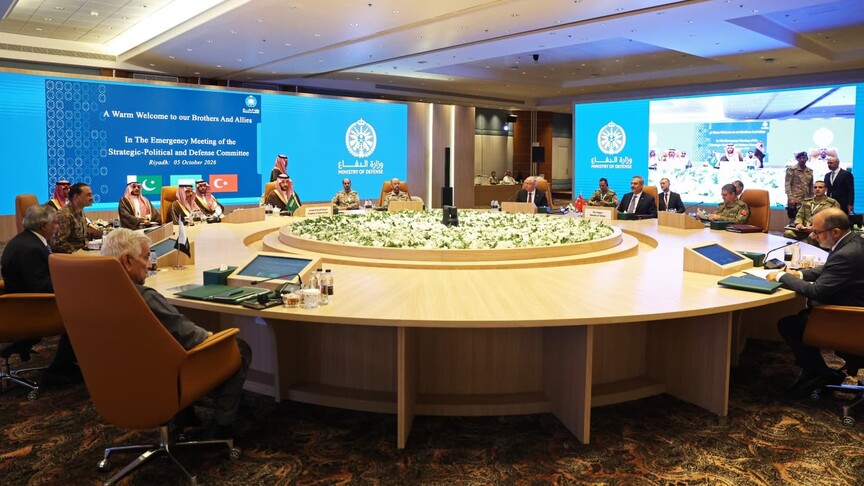
Saudi Arabia’s defense minister recently announced pivotal decisions regarding regional security in light of escalating tensions with the Houthi group. The formation of the new Mecca Alliance, which includes Türkiye and Pakistan, marks a significant collaboration aimed at collective defense measures. As conflicts in Yemen continue to impact Saudi borders, these developments underscore the urgency of regional alliances and military preparedness.
Formation of the Mecca Alliance
The Mecca Alliance, a collaborative defense initiative established by Saudi Arabia, Türkiye, and Pakistan, aims to enhance regional stability. Its Strategic Political and Defense Committee convened to discuss countermeasures after a series of Houthi attacks. This coalition is not only about mutual defense but also strengthens diplomatic ties among member nations. The committee’s discussions emphasize a united front against aggression and aim to ensure the safety of not just military personnel, but also civilians affected by the escalating conflict.
Collective Deterrence Measures Activated
During a recent emergency meeting, the committee decided to activate collective deterrence measures to respond robustly to ongoing threats. Khalid bin Salman, the Saudi defense minister, stated that these measures would target those responsible for the attacks. The statement highlighted a proactive approach to safeguarding Saudi infrastructure and citizens from Houthi aggression. This level of cooperation illustrates a commitment to defending the region against external threats and emphasizes the need for readiness in times of crisis.
Solidarity Among Nations
In a show of solidarity, the committee reaffirmed its support for Saudi Arabia amid the “heinous attacks” targeting both the nation and its sacred sites. This solidarity not only reinforces alliances but also sends a strong message to potential aggressors regarding the unity and determination of the member states. The commitment to collective security underscores the gravity of the situation and the necessity for an organized response to threats that extend beyond national borders.
Impact of Renewed Fighting in Yemen
The resurgence of violence in Yemen, particularly through Houthi drone and missile attacks, has direct implications for Saudi Arabia. These incursions threaten the stability of the kingdom and necessitate this new strategic approach among allied nations. The situation illustrates the interconnectedness of regional conflicts and the potential for spillover effects into adjacent areas. As such, the Mecca Alliance not only addresses immediate security concerns but also positions itself as a critical player in long-term peace efforts in the region.
In conclusion, the Mecca Alliance’s formation and the committee’s decisions are strategic moves aimed at bolstering collective security. As regional dynamics evolve, partnerships such as this are crucial for addressing both current threats and fostering a more stable environment. The commitment to collective deterrence reflects a unified stance against aggression and highlights the importance of cooperation among nations facing common challenges.