
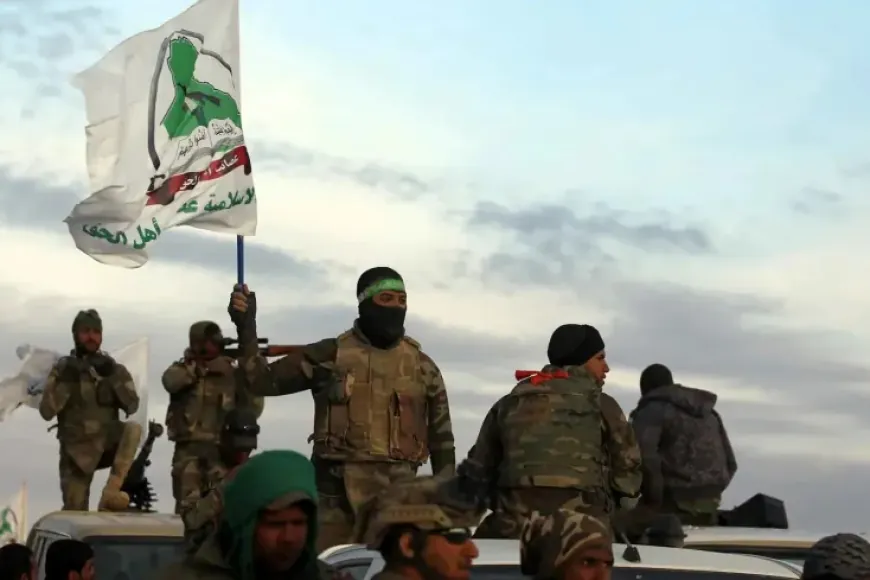
In recent developments, reports indicate that the United States has granted Israel increased leeway for operations within the airspace surrounding Iraq. This strategic shift potentially allows Israel to target Iranian-backed armed groups in the region, marking a significant change in military engagement in the area.
Enhanced Operational Freedom for Israel
According to Western intelligence sources, Washington’s decision provides Israel with a broader scope to conduct airstrikes against factions aligned with Iran. This move is believed to have been influenced by concerns regarding the repositioning and military enhancement of these groups. The US administration remains vigilant, pledging to bolster its defensive measures to safeguard its forces and interests from any potential retaliatory actions.
Israeli Military Preparedness
Reports also highlight that the Israeli Defense Forces (IDF) and the Mossad have completed preparations for targeted operations against locations associated with Iranian proxies in Iraq. These operations aim to disrupt the military capabilities of these groups by specifically targeting their command centers and weapon storage sites. Israel considers this a necessary step in mitigating the threat posed by Iran’s influence in the region.
Concerns Over Supply Routes
Israel’s strategic perspective is informed by the anticipated withdrawal of US troops, which it fears may enable the strengthening of overland supply routes linking Iran and Lebanon through Iraqi territory. These routes, if left unchecked, could facilitate the transport of weapons, military technology, and drones to Iranian-aligned factions. The concern underscores the urgency of Israeli operations aimed at severing these potential supply lines.
The Challenge of Armed Factions in Iraq
Amid these developments, Iraq is working toward the centralization of weapon control under the state authority. However, certain armed factions, notably Kataib Hezbollah and Harakat al-Nujaba, are reportedly resistant to relinquishing their arsenals. This presents a significant challenge to the Iraqi government’s efforts, raising questions about the effectiveness of disarmament initiatives in the region.
As tensions rise, it remains to be seen how these military maneuvers will unfold and impact the complex dynamics between Israel, Iran, and regional stakeholders. The evolving situation poses potential risks not only to the nations directly involved but also to broader regional stability.