
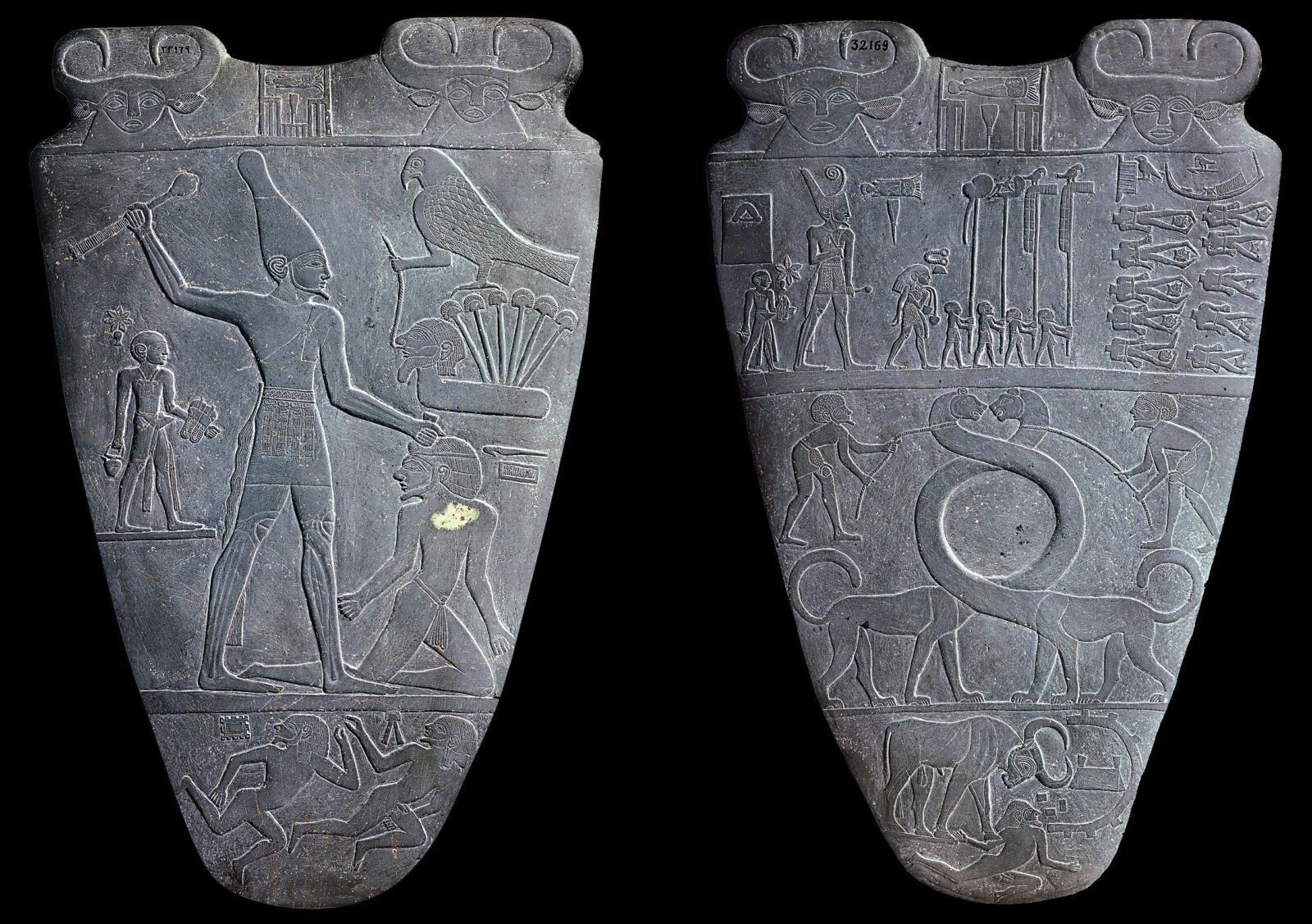
In the realm of archaeology, fresh discoveries can shift our understanding of ancient civilizations significantly. Recently, a new forensic analysis of 5,000-year-old skulls from Abydos has reopened an age-old mystery regarding the treatment of royal servants in ancient Egypt. This investigation offers vital insights into the potential practices surrounding sacrifice in antiquity, specifically reflecting on whether these individuals were buried alive alongside their rulers.
Forensic Analysis and Findings
The study conducted on the skulls revealed traumatic injuries that suggest these individuals might have endured extreme violence. The findings support long-standing theories that royal retainers were sacrificed to accompany their leaders in the afterlife. By employing advanced forensic techniques, researchers have been able to better understand the nature and circumstances of these injuries, painting a vivid picture of the past rituals that may have taken place.
The location of these skulls—Abydos—was historically significant, known as a burial site for many pharaohs and royalty. This context further magnifies the implications of the recent findings. The injuries discovered are consistent with blunt force trauma and other indicators that imply that the retainers may have met a grim fate. The possibility that they were buried alive adds a chilling nuance to how power dynamics and beliefs intersected during ancient times.
The Cultural Implications of Royal Servant Sacrifice
Understanding the reasons behind the ritualistic sacrifice of royal servants provides a lens through which we can examine the cultural and spiritual life of ancient Egypt. Such practices were potentially tied to beliefs about the afterlife, where it was thought that servants would continue to serve their masters. This offers insights not merely into the religious frameworks of the time but also into societal structures and the value placed upon loyalty and servitude.
Moreover, the revelation of possible burial practices provides a broader commentary on how the ancients perceived death and the transition to the afterlife. These practices reflected a combination of reverence and fear, showcasing the complex relationship between life, death, and the divine. The study propels discussions on ethics, hierarchy, and spirituality in ancient civilizations further than previously attempted.
Revisiting Historical and Mythological Narratives
The interpretation of these discoveries invites a reevaluation of existing historical and mythological narratives surrounding ancient Egypt and its practices. Narratives that once positioned servitude as merely a social function are now being redefined through this lens. With each new study, the line between myth and reality continues to blur, offering fresh perspectives on ancient customs and societal norms.
These insights into early ritual practices open new avenues for understanding the psyche of a civilization renowned for its monumental architecture and rich mythology. This forensic study serves as a stark reminder of the human sacrifices that were intertwined with royal authority, providing critical context for interpreting Egypt’s archaeological record.
In conclusion, this latest investigation of the 5,000-year-old skulls from Abydos not only enhances our understanding of early Egyptian civilization but also sheds light on the rituals that defined the lives and deaths of its people. The question of whether royal servants were buried alive brings forth a host of ethical, cultural, and spiritual inquiries, making it a crucial area for future archaeological and historical research. This discovery adds another layer to the rich tapestry of Egypt’s history, exemplifying the undying quest for knowledge about humanity’s past.