
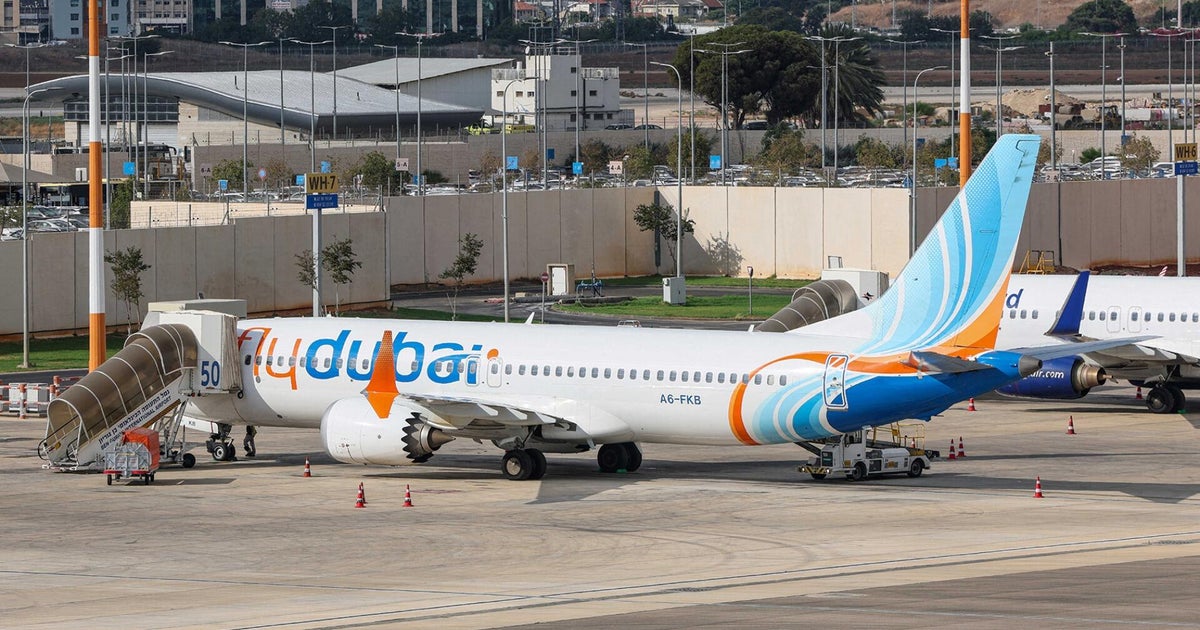
On October 5, 2026, a severe aviation incident nearly resulted in catastrophe for a Flydubai flight, shocking everyone involved. As the aircraft found itself in critical conditions just seconds away from disaster, the aviation community is now focusing on the lessons to be learned from this near-tragic event.
The Incident Overview
The Flydubai flight, taking off from an unspecified location, faced dire circumstances that put the lives of passengers and crew in jeopardy. With less than half a minute remaining, the aircraft encountered extreme turbulence, causing rapid altitude changes. The flight crew demonstrated remarkable composure, swiftly responding to the emergency by executing necessary protocols to stabilize the situation. Their actions served as a testament to the rigorous training pilots undergo, emphasizing the importance of preparedness in aviation.
Causes and Contributing Factors
Pilot error was not the sole factor in this incident; adverse weather conditions played a significant role. Reports indicated that the flight encountered unexpected high winds and rapid changes in weather patterns that were not accurately forecasted. Such conditions are not uncommon in aviation, making it crucial for airlines and meteorological services to enhance their predictive capabilities. This incident underscores the necessity of ongoing advancements in technology and training for flight crews to navigate unpredictable weather.
Safety Measures and Regulations
In light of the recent event, regulatory bodies are urged to review and strengthen safety protocols within the aviation industry. Aircraft designs have improved significantly over the years, yet the training of personnel remains integral to ensuring safety. Incorporating realistic simulations and continuous education for pilots can better prepare them for emergencies like the one faced by Flydubai. Additionally, implementing more robust weather-monitoring systems would greatly assist in foreseeing potential hazards and enabling timely precautions.
Moving Forward: Ensuring Passenger Safety
The aviation industry must continuously adapt and innovate to enhance passenger safety. Following the Flydubai incident, it has become increasingly important for airlines and regulatory authorities to collaborate on best practices in risk management. This includes improving communication between pilots, ground control, and meteorological services to ensure a comprehensive understanding of in-flight conditions. Investment in further training and technology will help mitigate the risks associated with unforeseen circumstances, ultimately prioritizing the safety of everyone on board.
In summary, the recent Flydubai flight incident serves as a stark reminder of the unpredictable nature of air travel and the importance of preparation. By analyzing the causes, enhancing safety measures, and investing in future technology, the aviation community can work toward preventing such near-tragedies. As a united front, the industry must strive for continuous improvement, ensuring that safety remains the highest priority.