
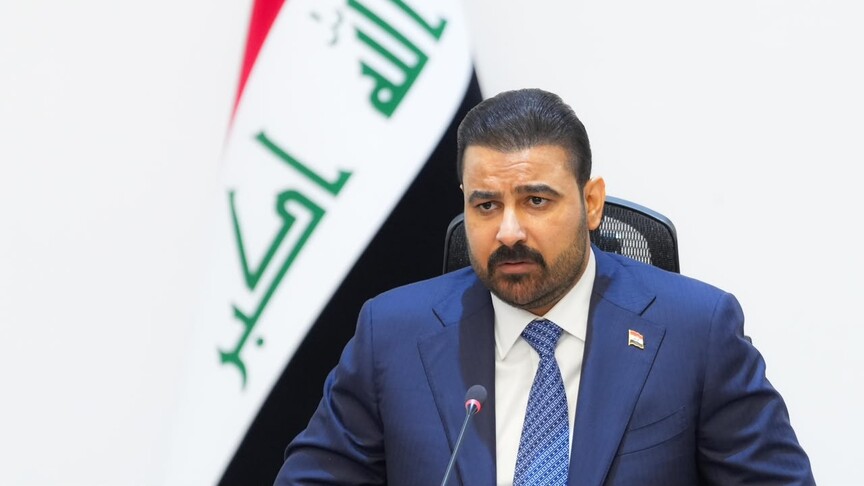
Iraqi Prime Minister Ali al-Zaidi has made significant strides in his government’s efforts to disarm armed groups within the country. During a recent meeting with tribal leaders, he announced that three out of five factions that had pledged to relinquish their weapons had followed through. This is a crucial development in a nation keen on strengthening its central authority and ensuring peace.
Progress in Disarmament Initiatives
Prime Minister al-Zaidi communicated the positive news that three factions have completed the process of surrendering their arms. He emphasized that dialogue continues with the remaining two groups, showcasing the government’s commitment to disarmament and the restoration of law and order. This initiative aligns with al-Zaidi’s ongoing goal to prevent any factions from jeopardizing the stability of the Iraqi state.
The disarmament effort highlights a pivotal moment for Iraq as it seeks to regain control over arms previously outside the state’s jurisdiction. The announcement coincides with the recent withdrawal of the U.S.-led international coalition’s military mission, signifying a new chapter in Iraq’s efforts to secure its sovereignty and ensure national stability.
Safeguarding Iraqi Lives and Institutions
Reiterating his government’s accountability, al-Zaidi stated, “The blood of Iraqis is our responsibility.” His remarks underline the dire importance of protecting citizens and bolstering governmental structures, which are crucial for maintaining stability in Iraq. The emphasis on safety and governance highlights an ongoing commitment to peace that resonates deeply given the country’s tumultuous history.
Al-Zaidi acknowledged the significant role of tribal leaders in fostering stability amid crises. His recognition of these leaders signals a collaborative approach to governance, wherein local authorities are seen as vital partners in achieving national harmony. Such alliances are essential as Iraq navigates the complexities surrounding disarmament and the pursuit of a peaceful coexistence.
Prioritizing Independent National Decisions
In addition to disarmament, al-Zaidi called attention to the necessity of keeping Iraqi decision-making firmly within local hands. He advocated for national unity as a cornerstone for enduring stability, emphasizing that external influences must be minimized. This assertion is significant as Iraq faces regional conflicts and strives to define its identity and governance free of foreign intervention.
Ultimately, the Prime Minister’s initiatives aim to create a stable and secure environment for all Iraqis. The government’s focus on treaty agreements with armed factions and discussions with tribal leaders serves as a foundation for building a resilient national framework. The government’s transparency and assertiveness in these matters leave citizens with a sense of renewed hope for the future, standing as a testament to the country’s commitment to sovereignty and peace.
As Iraq continues on this path, al-Zaidi’s leadership and the cooperative efforts of tribal entities will be critical in reinforcing state authority. The successful disarmament of these factions not only strengthens governmental control but also fosters a climate where security can flourish, allowing the Iraqi people to look forward to a more stable future.