
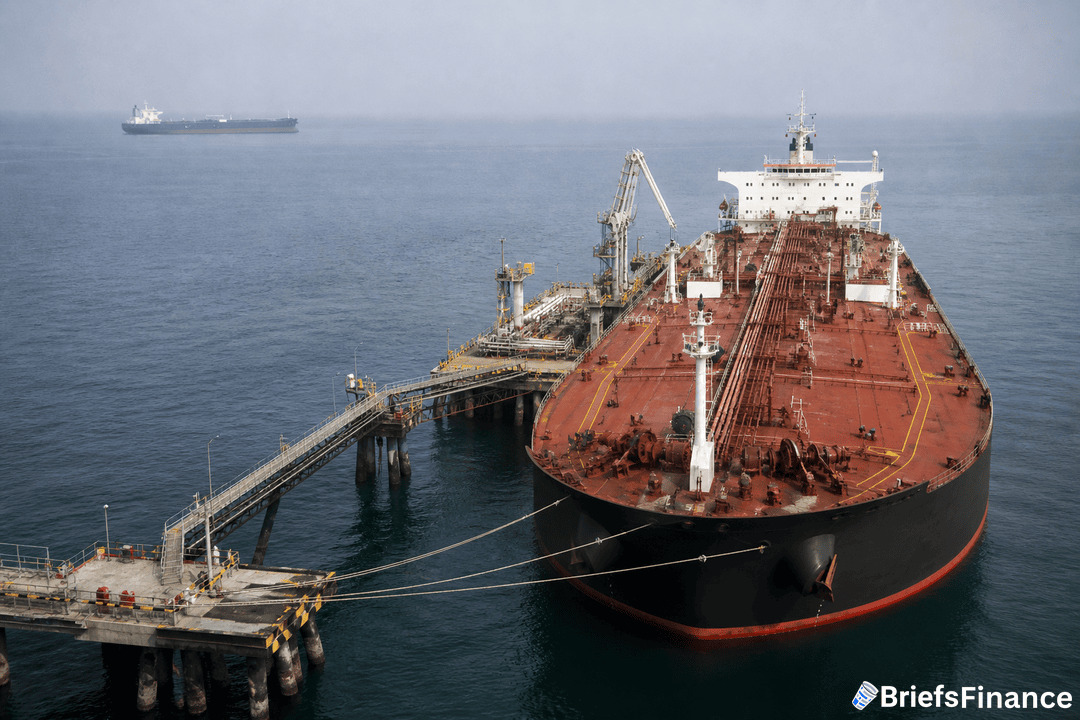
Iraq is taking significant steps to gain greater control over its shipping operations, particularly in light of recent geopolitical challenges. As the country navigates the complexities of oil transportation, the Iraqi Oil Tankers Company (IOTC) is actively seeking to enhance its fleet. This initiative is crucial as tensions around the Strait of Hormuz continue to disrupt oil flows and influence market dynamics.
Current Developments in Iraq’s Shipping Operations
Iraq’s state-owned IOTC is reportedly on the verge of chartering a Very Large Crude Carrier (VLCC) along with a Suezmax tanker. Recent reports indicate that at least two additional vessels are expected to arrive soon. This move comes after an earlier tender for additional ships was scrapped due to non-competitive bids. Meanwhile, Iraq’s companies have already secured two supertankers, with one reportedly purchased last month for approximately $200 million—a record price for this type of vessel.
The Rationale Behind This Shift
The heightened risk of conflict in the region has transformed the Strait of Hormuz into a challenging path for oil tankers. Iraq has been particularly affected due to its lack of owned tankers, which has forced it to offer significant discounts to entice buyers willing to take on the risks of shipping. Recently, IOTC Director General Ali Qais Abdul Jabbar announced that the company successfully loaded a VLCC through Hormuz for the first time in decades. Iraq’s Oil Minister, Basim Mohammed Khudair, mentioned efforts to secure financing for more tankers, emphasizing that ownership could boost export capabilities and improve financial outcomes.
The Tanker Shortage and Operational Strategies
The rising demand for Gulf oil, combined with a limited supply of tankers ready to navigate the Hormuz route, has created a logistical bottleneck. Countries like Kuwait are also seeking new vessels, whereas the United Arab Emirates has invested billions in tankers, and Saudi Arabia’s substantial fleet provides it with a competitive advantage. This scarcity of vessels has propelled earnings in the sector, with daily returns for routes like Saudi Arabia to China skyrocketing to approximately $1.29 million—well above previous averages.
In the short term, Iraq plans to utilize leased vessels to transport crude across Hormuz, subsequently transferring the cargo to other ships outside the chokepoint. This strategy is similar to approaches being adopted by various Gulf exporters.
Implications for Investment and Oil Prices
If Iraq successfully acquires more tankers, it could reduce its reliance on foreign buyers to bear shipping risks, thereby stabilizing its export processes. However, with supply constraints and soaring transportation costs, this remains a critical factor influencing crude oil differentials and any investments linked to tanker rates or movements from the Middle East. Stakeholders should closely monitor results from upcoming tenders and Iraq’s funding status for fleet expansion, as these developments will dictate the country’s shipping expenses.
Ultimately, increased freight costs related to strategic chokepoints will invariably impact oil prices globally. Keeping an eye on Iraq’s shipping maneuvers could provide valuable insights into future market trends and pricing strategies.