
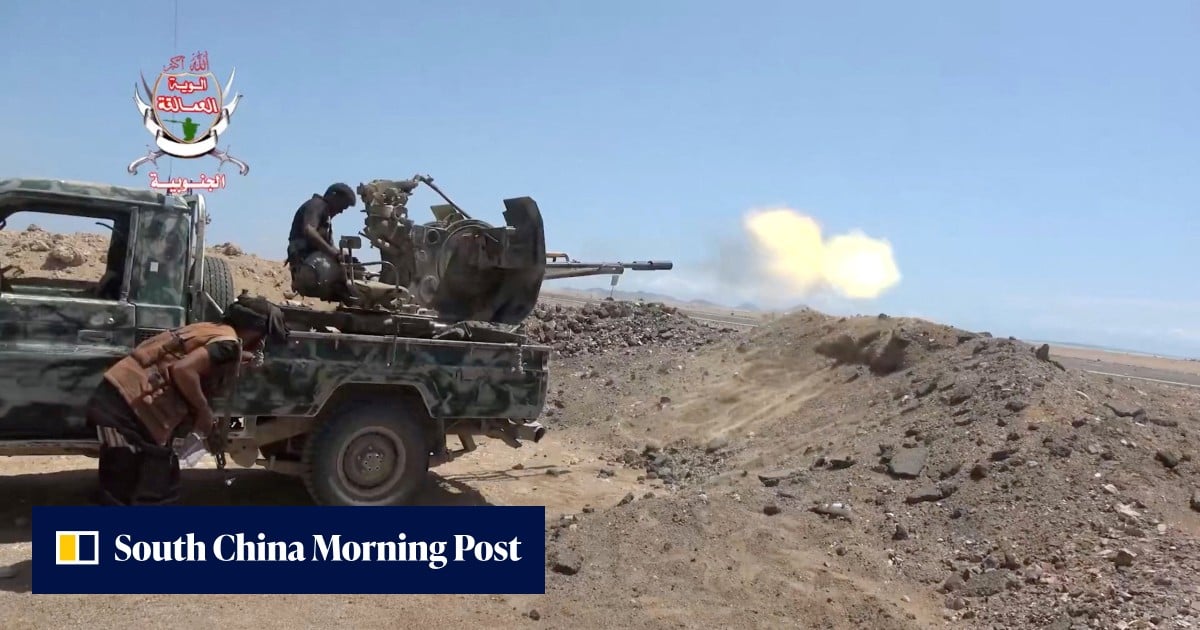
Tensions between Iran and Saudi Arabia have escalated significantly, raising concerns about the potential for direct conflict. Following a four-year hiatus, Saudi Arabia has resumed major airstrikes targeting the Tehran-backed Houthi rebels in Yemen. This renewed military action not only shows the intensity of the ongoing conflict but also highlights the shifting dynamics in the region.
Saudi Airstrikes and Houthi Response
On Monday, over 100 Saudi warplanes carried out extensive bombings on Houthi positions, aiding Yemeni government forces to regain control of strategic coastal territory along the Red Sea. This territory had previously fallen into Houthi hands, and the sudden military resurgence by Saudi Arabia demonstrates a robust commitment to countering Iranian influence in the region. Additionally, the Houthis had received support from Iranian military advisors, complicating the situation further. As the conflict escalates, it is anticipated that the Houthis will retaliate, possibly launching increased drone and ballistic missile strikes against Saudi Arabia.
The Role of Iran’s Revolutionary Guards
The Iranian Revolutionary Guards are likely to play a pivotal role in this unfolding conflict. By supplying advanced weaponry and strategic intelligence to the Houthis, they bolster their efforts against Saudi forces, effectively enhancing the capabilities of their allies. This collaboration falls under the broader framework of the “Axis of Resistance,” which consists of various groups aligned against Saudi Arabia and its allies. Analysts suggest that this support could shift the military balance, intensifying the hostilities and making retaliatory strikes from the Houthis even more dangerous.
Potential Casualties and International Implications
As military operations ramp up on both sides, the potential for casualties increases. The engaged parties are expected to sustain losses, both military and civilian, as the conflict expands. Furthermore, this renewed hostilities may draw in international players, making the conflict even more complex. Involvement from global powers could lead to a broader regional conflict, underlining the fragile stability of the Middle East.
In summary, the renewed airstrikes by Saudi Arabia and the subsequent likely retaliation from the Houthis are indicative of a dangerous escalation in a long-standing conflict with deep regional implications. With Iran’s backing of the Houthis intensifying the threats to Saudi Arabia, maintaining stability in the region becomes increasingly challenging. The situation requires close monitoring, as any miscalculation could have dire consequences for the surrounding nations and international interests in the area.