
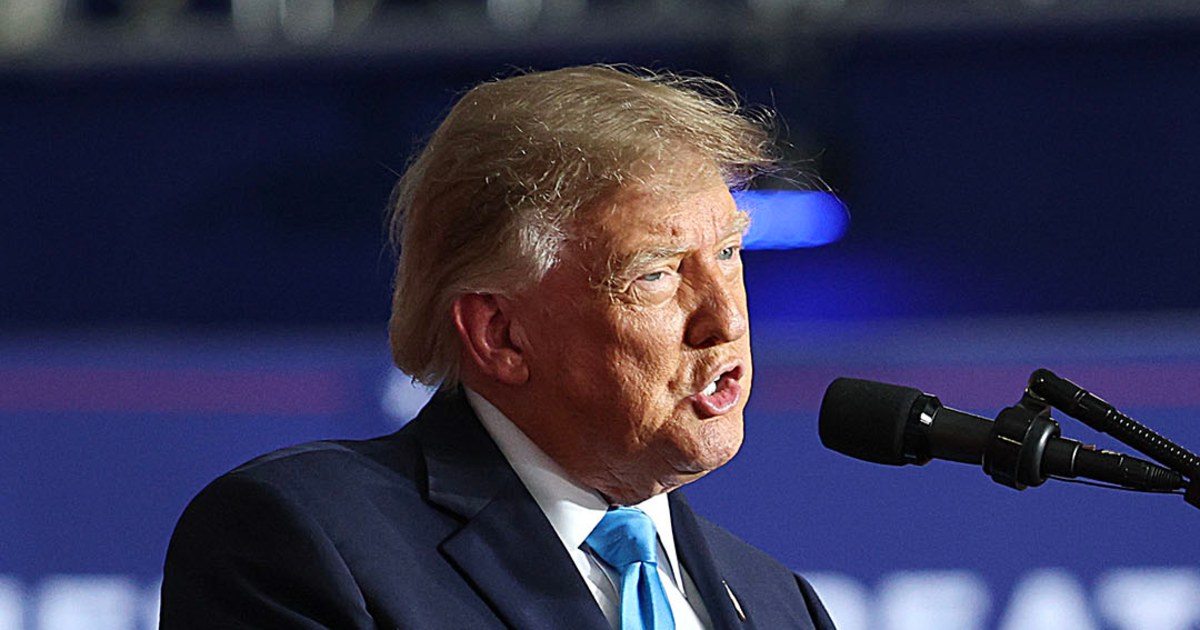
Former President Donald Trump recently stirred controversy with his comments suggesting that Iran has the capability to “take out” Los Angeles. This assertion has sparked a wave of backlash and discussions regarding the potential threats posed by foreign adversaries. The geopolitical ramifications of such statements can be profound, especially in the context of U.S.-Iran relations, which have been tense for decades.
Understanding the Context
To fully grasp the implications of Trump’s comments, it’s essential to consider the historical backdrop of U.S.-Iran relations. Since the 1979 Iranian Revolution, the relationship between the two nations has been fraught with conflict and distrust. The U.S. has enforced various sanctions against Iran due to its nuclear program and other aggressive actions, while Iran has consistently viewed the U.S. as an imperial power meddling in its affairs. Trump’s rhetoric on Iran is particularly significant as it reflects a broader trend of escalating tensions and the potential for military confrontation.
Reactions from Political Leaders
Trump’s remarks have drawn criticism from multiple quarters, including politicians, foreign policy experts, and social media commentators. Many have argued that such rhetoric is irresponsible and could unnecessarily heighten fears among the American public. Lawmakers from both parties have expressed concern that inflammatory statements could lead to miscalculations in diplomacy. Prominent figures in foreign policy circles have cautioned against the dangers of adopting a belligerent stance that could provoke Iran further and destabilize the already fragile Middle Eastern landscape.
The Impact on U.S. Foreign Policy
Comments like Trump’s don’t exist in a vacuum; they can have far-reaching consequences for U.S. foreign policy. The Biden administration, already grappling with the complexities of renewing the Iran nuclear deal, must navigate the murky waters created by such provocative statements. Efforts to engage diplomatically with Iran could become hampered when inflammatory rhetoric is prevalent. The message sent by Trump’s comments may embolden hardliners in Tehran, reducing the likelihood of a collaborative approach to easing tensions.
Media Coverage and Public Perception
The media plays a crucial role in framing public perception of international threats. Trump’s claims have been met with extensive coverage, and many outlets have made it clear that such statements could escalate fears about national security. Public opinion often swings with the type of narrative presented in the media; sensational comments might lead to heightened anxiety among citizens about potential attacks or military action against the U.S. It’s a delicate balance for journalists to report on these events while ensuring that they do not contribute to unnecessary panic or misinformation.
In conclusion, Trump’s comments regarding Iran’s potential threat to Los Angeles have unveiled a larger conversation about U.S.-Iran relations and the implications of incendiary rhetoric in foreign policy. As the political landscape continues to evolve, both American leaders and the public must tread carefully in discussions surrounding national security. Balancing caution and concern with informed dialogue is crucial in navigating the unforgiving terrain of international relations, especially when it involves volatile nations like Iran.