
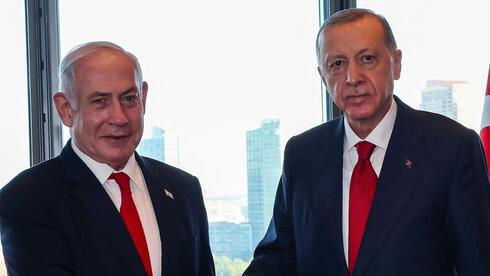
On October 7, Israel’s consulate in Istanbul and its embassy in Ankara were left without personnel, prompting a shift in diplomatic operations. As a result, diplomats have been reassigned to Bulgaria, while local staff continue to operate remotely. This situation has sparked a heated debate among officials regarding the implications of an empty mission, with some arguing it’s an inefficient use of taxpayer money, while others express concern about the challenges of resuming normal operations.
Current Diplomatic Landscape
The absence of staff at the Israeli diplomatic missions in Turkey marks a significant shift in their foreign policy approach. Traditionally, these missions play a crucial role in fostering bilateral relations and addressing mutual concerns. The unstaffed embassies not only hinder diplomatic engagement but also raise questions about Israel’s commitment to maintaining connections with its allies. This vacuum has left many diplomatic observers wondering how both nations can navigate their complex relationship without direct communication on the ground.
Financial Concerns of Unmanned Missions
The financial implications of these unmanned missions have not gone unnoticed. Critics within the Israeli Foreign Ministry have voiced their opinions, pointing out that maintaining a partially operational embassy without personnel is an unnecessary drain on public funds. They argue that resources could be better allocated elsewhere, especially in a time when national and international challenges require fiscal prudence. This criticism underscores the ongoing debate about the efficiency of governmental expenditures and whether the public should tolerate such costs when services are not being rendered.
Challenges of Reopening Diplomatic Missions
Reopening these embassies may present its own set of challenges. Once staff is reinstated, there will likely be a steep learning curve as diplomats navigate the nuances of Turkey-Israel relations post-crisis. Re-establishing trust and communication can take time and may involve sensitive negotiations. Furthermore, the geopolitical landscape in the region can change rapidly, complicating efforts to reintegrate and strengthen bilateral ties. Many experts fear that prolonged vacancy and inaction could jeopardize Israel’s ability to engage with Turkey effectively in the future.
Conclusion: The Importance of Diplomatic Engagement
As the situation stands, the unmanned embassies highlight a critical juncture in Israeli-Turkish relations. Diplomacy is inherently dynamic, requiring adaptive strategies and constant engagement. Reaching a resolution requires the Israeli government to weigh the costs against the potential benefits of having a functioning diplomatic presence in Turkey. With both nations facing unique challenges, open and continuous dialogue is essential for fostering stability and collaboration moving forward. Maintaining diplomatic embassies not only reflects a commitment to international relations but also serves as a vital link in addressing regional concerns that impact both countries’ interests. Maintaining contact is key to ensuring that diplomatic channels remain open for future discussions and collaboration in an increasingly complex world.