
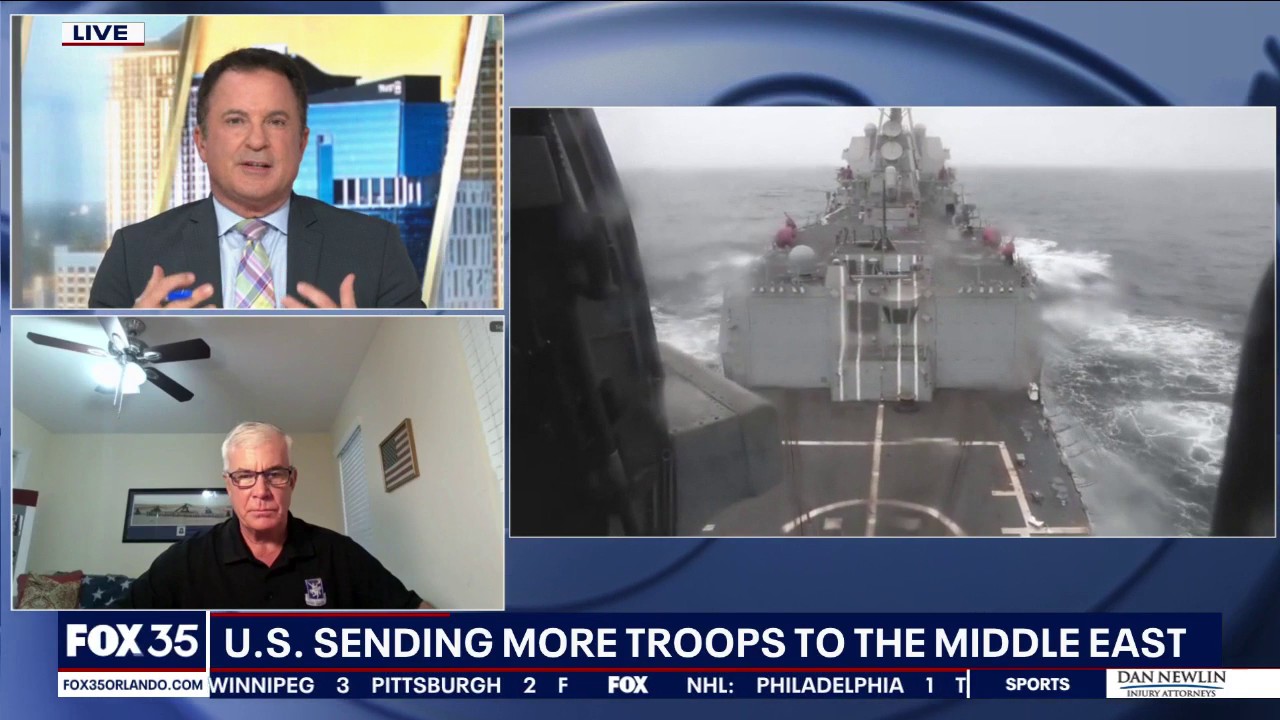
The United States is increasing its military presence in the Middle East following the recent completion of its withdrawal from Iraq. This decision has sparked discussions and raised questions about the implications for regional stability. Colonel Jay Voorhees provided insights on the evolving situation during his appearance on Good Day Orlando.
The Context of Increased Troop Deployment
The withdrawal from Iraq marked a significant change in the United States’ military strategy in the region. With the conclusion of this operation, the U.S. now aims to adjust its forces in response to emerging threats and evolving geopolitical circumstances. The deployment of additional troops is intended to bolster security and deter potential aggressors, signaling a renewed commitment to protecting American interests and allies in the area.
Implications for Regional Stability
The U.S. troop surge comes at a time of heightened tensions in the Middle East, with various factions vying for power and influence. This increases the stakes for American forces as they manage relationships with local governments and engage with allied nations in the region. The presence of additional military personnel is not just a matter of deterrence; it also serves to enhance intelligence-sharing and collaborative operations among allied nations.
Strategic Objectives and Goals
The primary objectives behind sending more troops involve ensuring stability and security across the region. An increased U.S. presence allows for rapid response capabilities should conflicts arise. It also aims to reassure allies in countries feeling threatened by regional instability. Through heightened military support and collaboration, the United States seeks to strengthen its partnerships with local forces and contribute to ongoing efforts to combat extremist groups that threaten stability.
Public and Political Reactions
Reactions to the troop deployment have been mixed, with some supporting the action as necessary for national security, while others express concerns over potential escalation of military involvement in the region. Congressional leaders are scrutinizing the decision, and public opinion remains divided over the commitment of U.S. troops in foreign engagements. Transparency about the objectives and mechanisms behind the troop increase is essential to garner support and maintain public trust.
As the situation develops, the U.S. military’s role in the Middle East will continue to be a focal point of discussion not only for policymakers but also for citizens concerned about their nation’s foreign policy and military engagement.