
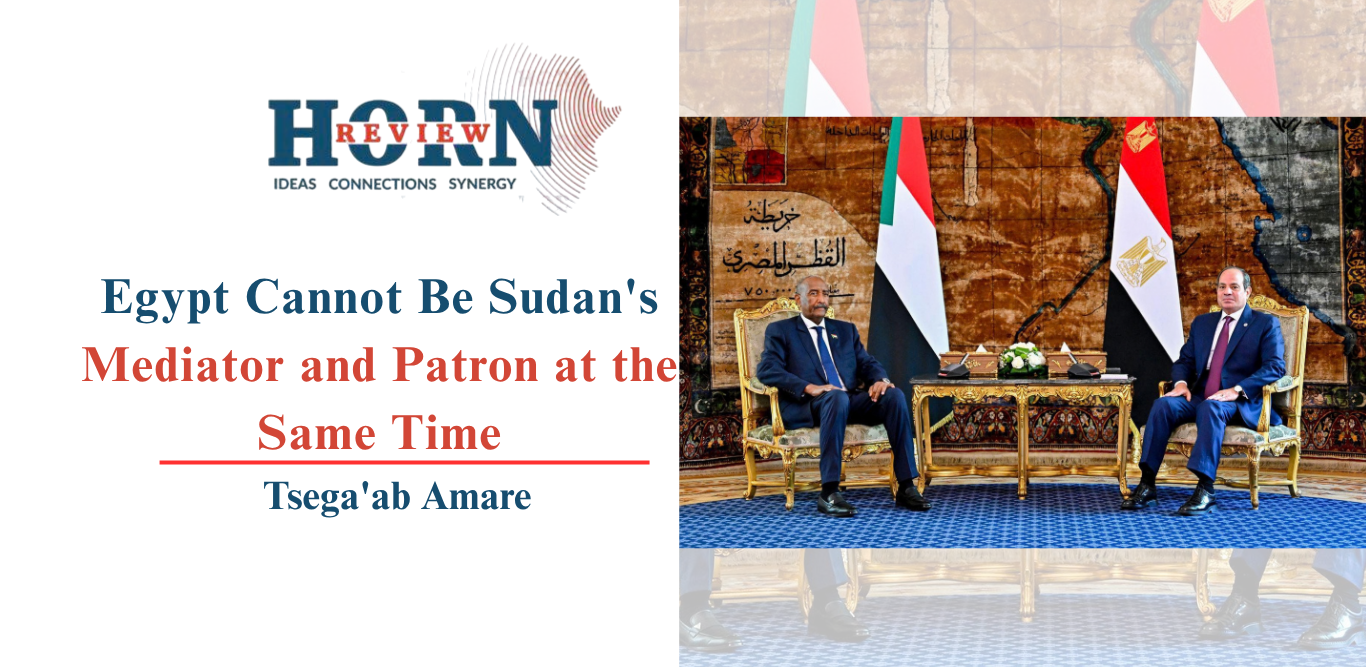
Abdel Fattah el-Sisi of Egypt recently met with Sudan’s Abdel Fattah al-Burhan in New Alamein on October 4, 2026. During this meeting, el-Sisi reaffirmed Egypt’s commitment to Sudan’s unity, sovereignty, and national institutions, while also pledging regional and international efforts toward a political resolution for the ongoing conflict in Sudan.
### Egypt’s Stance on Sudan’s Governance
Egypt has consistently insisted on the importance of a unified Sudanese government, rejecting any notion of parallel governing bodies outside the recognized Sudanese government. This position, however, complicates Egypt’s role as a mediator as it seeks to support the Sudanese Armed Forces (SAF) while also attempting to maintain an image of neutrality. The simultaneous intention to influence the outcome of Sudan’s war raises concerns that Egypt may not be acting as an impartial broker, instead positioning itself as a potential patron, which ultimately affects the civilian population of Sudan.
### The Complexity of Mediation
While Egypt claims to be a neutral party, its actions paint a different picture. The country recently hosted a summit for neighboring states and is a member of a quartet attempting to secure a ceasefire in Sudan. Furthermore, Egypt is also involved with civilian groups in Sudan, positioning itself in a role that is more active than merely observing. The situation is complicated further when considering that any genuine peace efforts would need to include the Rapid Support Forces (RSF), who have been at odds with the SAF. Any mediation process that fails to recognize the RSF as a legitimate participant risks undermining the chances for a sustainable peace agreement.
### Regional and Tactical Interests
The term “national institutions,” often seen as neutral, effectively privileges the SAF as the legitimate governing body in Sudan while sidelining other involved factions. Cairo’s overt political support for Burhan and his forces not only signals Egypt’s alignment with a specific entity but also shapes the broader dynamics of conflict resolution in the region. Since the fall of Sudan’s civilian-led government in 2021, Egypt’s backing has remained consistent, showing a preference for a military-centric political resolution rather than a transition to civilian governance, a scenario that would significantly differ from Egypt’s own ruling model.
### Economic Ties and Regional Leverage
Egypt’s interests in Sudan also extend to economic engagement, particularly in the gold trade. Reports indicate that the SAF has redirected gold exports to Egypt, with numerous agreements in place to import Sudanese gold. This relationship seems to suggest that Egypt is benefiting from Sudan’s conflict, complicating the idea of impartiality. An engaged intermediary may inadvertently sustain the conflict by bolstering one side’s war economy, thereby deepening its own interests in ensuring that side remains viable.
### Humanitarian Concerns and Conflict Dynamics
As Egypt hosts over a million refugees, mostly from Sudan, its humanitarian record is poignant. However, restrictions on entry and resident rights for Sudanese nationals raise questions about the effectiveness of Egypt’s role as a protector. This duality complicates Egypt’s position, creating skepticism over its ability to genuinely advocate for the interests of Sudanese civilians while also fostering close ties with the military establishment.
### The Road Ahead for Egypt’s Role
For Egypt’s commitment to peace to be credible, it must confront the tension between its stated objectives and actual practices. Independent verification of military actions, transparency regarding its engagements with Sudan, and a willingness to incorporate all factions into the dialogue—without bias—would enhance credibility. The African Union and other regional entities might consider re-evaluating Egypt’s role, recognizing it as an interested party rather than a neutral facilitator, given its considerable influence on the conflict’s trajectory.
By navigating these complex dynamics, Egypt can better position itself to contribute positively to a resolution in Sudan, benefiting both nations while ensuring that the voices of all involved parties are heard in the ongoing dialogue for peace.