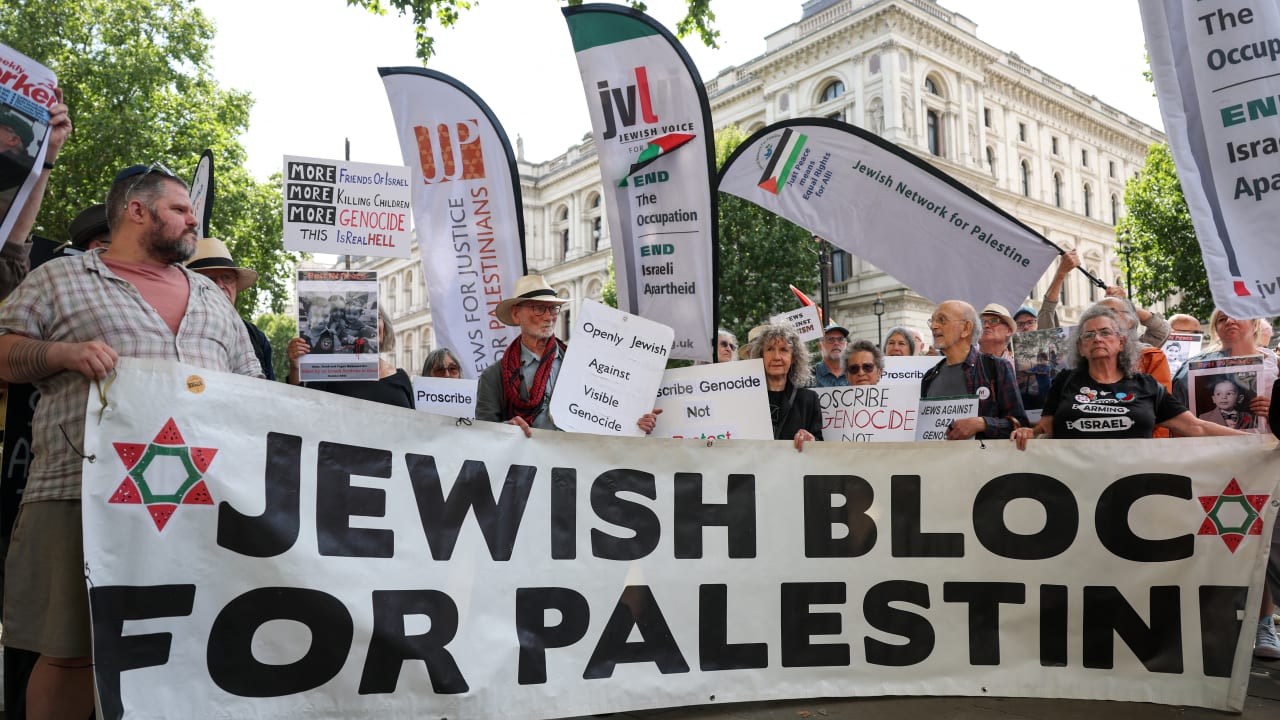
Israeli historian and commentator Gadi Taub has raised significant concerns regarding progressive Jewish communities abroad, asserting that their embrace of radical progressive ideologies means they are “no longer our friends.” He emphasized that Israel is losing crucial support from both sides of the political aisle in the West — the Left and Right.
Insights from NatCon Jerusalem
Taub made these remarks during the recent NatCon Jerusalem, a three-day event featuring conservative thinkers, political leaders, journalists, and activists from Israel, the U.S., and Europe. This gathering is part of the National Conservatism movement, which champions national sovereignty and traditional values, gaining traction among certain factions of the American and European Right.
With a doctorate in American history from Rutgers University and extensive writings on Zionism and nationalism, Taub spoke during a panel titled “Immigration and Cultural Replacement.” The session delved deeper into the threats he perceives against democratic values. Briefly, Taub critiqued progressive Jews living outside Israel, suggesting that their advocacy for immigration creates tension within Israeli society.
The Dangers of Immigration Advocacy
Taub called attention to what he describes as a significant problem posed by progressive Jews who support immigration policies. “We, the Jews of Israel, must confront those promoting immigration before antisemites do,” he stated, highlighting the urgency of addressing these concerns within their communities. His comments did not single out specific organizations or individuals, indicating a broader critique aimed at myriad progressive voices in the Diaspora.
He subsequently linked this issue to Israel’s precarious political standing in the West. Taub suggested that the Jewish state has been losing favor among Western political parties not solely due to its own actions but because many on the Left have absorbed ideological critiques, notably those from influential figures like Edward Said. He noted, “We have lost the Left, not due to Netanyahu.”
Challenges from Both Political Directions
Taub also warned of similar challenges arising from the Right, stating that elements within that spectrum are increasingly unfriendly towards Israel. His remarks reflect a growing concern over antisemitism within conservative circles, particularly among younger American conservatives. Yoram Hazony, the founder of the National Conservatism movement, has pointed out that antisemitism appears to be creeping into discussions among conservative factions, raising alarms about its potential impact on Jewish communities in America.
The repercussions of these complex dynamics extend beyond political discourse. Taub argues that Western societies have shown vulnerability to radical Islamist movements, suggesting that a diminishing self-confidence within Western civilizations has allowed such ideologies to flourish. According to him, there exists an alarming synergy between extremist ideologies and diminishing confidence within Western societies.
Amidst these charged discussions, Taub’s critique of progressive Jews resonated strongly. He claimed those “groveling at the feet of anti-Semites by agreeing to extreme ideologies are no longer allies.” His assertions serve as a stark reminder of the internal conflicts that exist within Jewish communities and the broader international context in which these communities navigate their identities.
In summary, Taub’s commentary at NatCon Jerusalem sheds light on growing rifts between Israel and progressive Jews abroad, revealing a landscape altered by ideological extremism and shifting allegiances on both the Left and Right. As such, the ongoing political dialogue poses serious questions about the future of Jewish communal identity and support for Israel.