
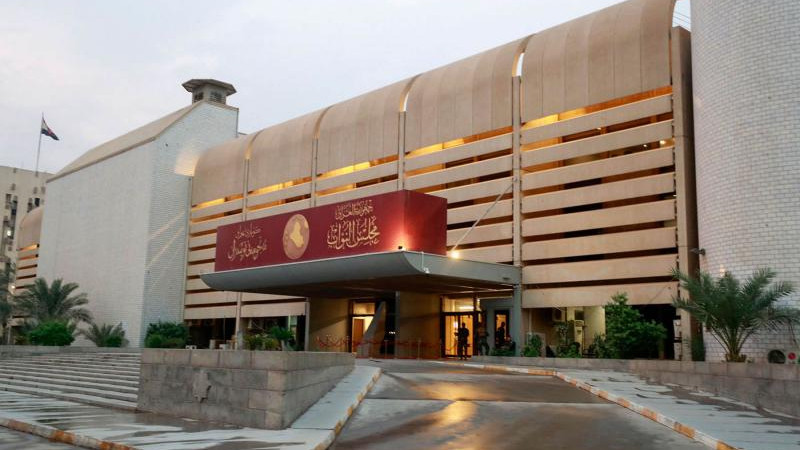
Iraq is currently framing its 2027 budget on the assumption of oil prices at $58 a barrel, a figure significantly lower than what the country requires to achieve fiscal balance. This budgetary estimate suggests that Iraq plans to export around 4 million barrels of crude oil daily, including those from the Kurdistan region, and anticipates total expenditure reaching 217 trillion dinars, approximately equivalent to $166 billion. Despite these projections, lawmakers are concerned that this budget will still incur a deficit exceeding 40 trillion dinars.
Budget Assumptions and Revenue Challenges
Under the premise of exporting 4 million barrels per day at $58 each, Iraq would generate around $85 billion in gross annual revenue from oil exports. However, this figure does not factor in discounts, transportation costs, and other financial adjustments that could further diminish actual revenue. Comparatively, the International Monetary Fund has determined that Iraq’s fiscal oil breakeven price for 2025 stands at roughly $92.43 per barrel. If oil prices fall short of this threshold, Iraq could face a substantial fiscal gap, necessitating borrowing, expenditure reductions, or depletion of reserves to make up the difference.
Currency Valuation Strategies
To address budget deficits, the Iraqi government is contemplating devaluing the dinar to a range between 1,400 and 1,500 per U.S. dollar, as opposed to the current rate of around 1,300. This strategy aims to enhance the local currency value of dollar-denominated oil exports, but it simultaneously renders imported goods more expensive. Given that oil accounts for the lion’s share of Iraq’s state revenue, any interruption in production or exports poses a considerable risk to the nation’s financial stability.
Vulnerabilities in Export and Production
The year 2023 illustrated Iraq’s vulnerability, particularly with rising tensions in the region disrupting oil shipments through the historically significant Strait of Hormuz. This situation compelled Baghdad to redirect oil exports northward through Turkey, necessitating long-term alternatives via Syria and Jordan. In light of these challenges, Iraq is actively pursuing plans to dramatically bolster oil production, eyeing an increase to between 8 million to 10 million barrels per day within the next six years.
Future Outlook for the Iraqi Budget
Looking ahead to the 2027 budget, the equation is straightforward: Iraq needs to expand its output, secure additional export routes, and achieve a substantially higher oil price than the projected $58. Otherwise, the current spending trajectory may be unsustainable. Without addressing these critical issues, Iraq’s financial future remains precarious, held in the balance by the fluctuating oil market and geopolitical circumstances.
By adequately tackling these financial and operational challenges, Iraq can work towards a more stable economic framework. Partnering with international oil organizations and exploring diversification in revenue streams could contribute to a more sustainable fiscal environment, better positioning the country to weather external shocks in the oil market.