In a recent interview with Reuters, US Vice President JD Vance emphasized that Iran must significantly cut its nuclear enrichment activities to meet US expectations and bring an end to the ongoing seven-month conflict. The intricacies of how Tehran makes decisions during negotiations remain a mystery to Washington.
Vice President Vance’s Stance on Nuclear Reductions
JD Vance, known for his skeptical views on American military interventions abroad, has been proactive in negotiating terms for a peaceful resolution to the ongoing war. In September, he facilitated a temporary peace agreement; however, it quickly collapsed. This war has not only destabilized global energy markets but has also become a political challenge for President Donald Trump and fellow Republicans as the midterm elections approach.
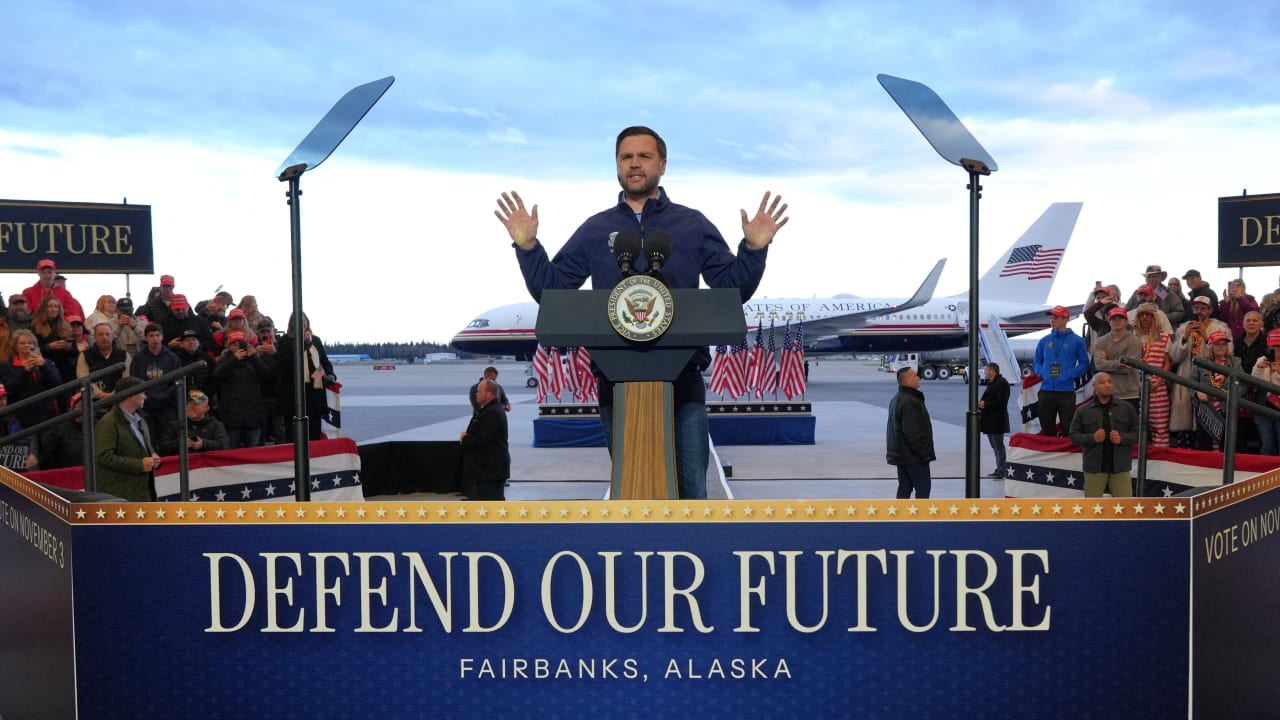
During a campaign trip to Alaska, Vance reiterated that any future agreement would necessitate a concrete reduction in Iran’s nuclear enrichment capability, rather than vague commitments for future curtailments. He questioned the need for Iran to maintain 60% enriched fuel if the nation is genuinely committed to not developing nuclear weapons. “That’s a fundamental issue,” he stated, urging Iran to take tangible steps to prove its intent.
Challenges in Understanding Iranian Governance
Vance also pointed out the complexities surrounding Iran’s decision-making process. Washington is uncertain about who holds the power to make significant decisions in Tehran. He mentioned conversations with Iranian leaders, including President Masoud Pezeshkian and Foreign Minister Abbas Araghchi, but uncertainty remains regarding their influence following the assassination of Supreme Leader Ayatollah Ali Khamenei by US-Israeli forces at the war’s outset.
“The decision-making in Iran is not entirely clear,” he noted, a sentiment echoed by President Trump, who expressed concern over the lack of clarity about Iran’s leadership structure. In response, an Iranian Foreign Ministry spokesperson asserted that US officials should be aware of Iran’s leadership and decision-making mechanisms, attributing misunderstanding to mixed signals from American leaders.
The Economic Implications of the Conflict
The ongoing war, which costs the US approximately $3 billion a month, has emerged as a pivotal subject during the current election campaign. Rising energy prices have put Trump and Republicans on the defensive, especially in key states that will influence congressional control. Vance has actively defended Trump’s approach to the situation while urging voters to look beyond the conflict when casting their ballots next month.
While speaking in Alaska to support Senator Dan Sullivan’s reelection bid, Vance focused on rising consumer costs, particularly concerning energy. Alaska’s geographic isolation makes necessities more expensive, and the energy sector is critically important to the state’s economy.
Though Vance has been presented as a strong candidate to someday succeed Trump, he clarified that he has not made any decisions regarding a presidential run in 2028, playfully admitting to his tendency to procrastinate and saying, “I really haven’t thought about it much.”