
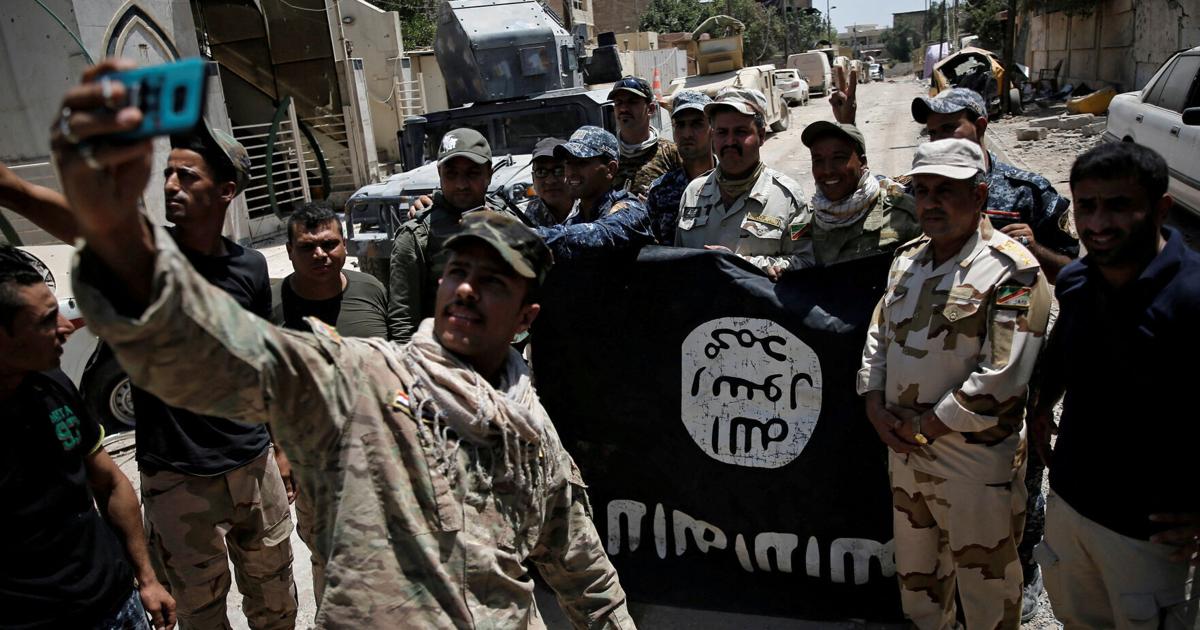
The recent withdrawal of U.S. troops from Iraq has reignited discussions among Iraqi officials and security specialists about the nation’s ongoing struggle with remaining Islamic State factions and the influence of Iranian-aligned militias. This complex scenario poses significant questions regarding Iraq’s security and stability.
The Impact of U.S. Troop Withdrawal on Iraq’s Security Landscape
The exit of American troops has left a notable gap in Iraq’s security infrastructure. Many experts believe this vacuum could embolden the Islamic State, a militant group that has not fully vanished, despite previous claims of its defeat. As the remnants of this extremist organization seek to regroup, the need for effective local governance and security forces becomes even more pressing. Iraqi forces are now tasked with the pivotal role of countering these threats, which will require intensive training and adequate resources.
Furthermore, the departure of U.S. forces has significant implications for Iran’s strategic operations in the region. Iranian-backed militias have already gained substantial power and influence in Iraq. These groups often operate independently of the Iraqi government, constraining its ability to maintain a cohesive security strategy. The real challenge lies in managing these militias while ensuring that they do not undermine Iraqi sovereignty or contribute to sectarian tensions.
The Role of Iraqi Authorities in Managing Internal Security
In the face of these challenges, the Iraqi government must employ a multifaceted approach to bolster its security and governance structures. There’s an urgent need for more collaboration between various elements within Iraq, including the military, police, and intelligence services. Strengthening these institutions will be crucial in disrupting any resurgence of Islamic State activity and in maintaining public order.
Additionally, the Iraqi authorities must engage local communities to build trust and address grievances that extremists may exploit. Fostering community resilience can diminish the allure of radical ideologies. It’s imperative for the government to prioritize development initiatives and social services, especially in areas historically vulnerable to extremism.
The Future of Iraq’s Relationship with the United States
Iraq’s recent pivots in foreign relations, particularly regarding the U.S. and Iran, will play a significant role in shaping its security framework. While the U.S. has significantly contributed to military training and support, the future of this partnership will have to adapt to the changed landscape following troop withdrawals. This evolving dynamic will necessitate open dialogue about strategic interests, shared security goals, and the need for continued assistance in counterterrorism operations.
Moreover, Iraq will have to navigate its regional relationships carefully, balancing its cooperation with the U.S. while managing Iran’s strong presence. Finding this equilibrium will not be simple, especially given the complex and often contentious nature of Middle Eastern geopolitics.
The path ahead for Iraq is laden with challenges yet holds potential for renewed commitment to a stable and secure future. Addressing the risks presented by both the Islamic State and Iranian militias, while fostering effective governance, is essential for Iraqi authorities to restore national stability.