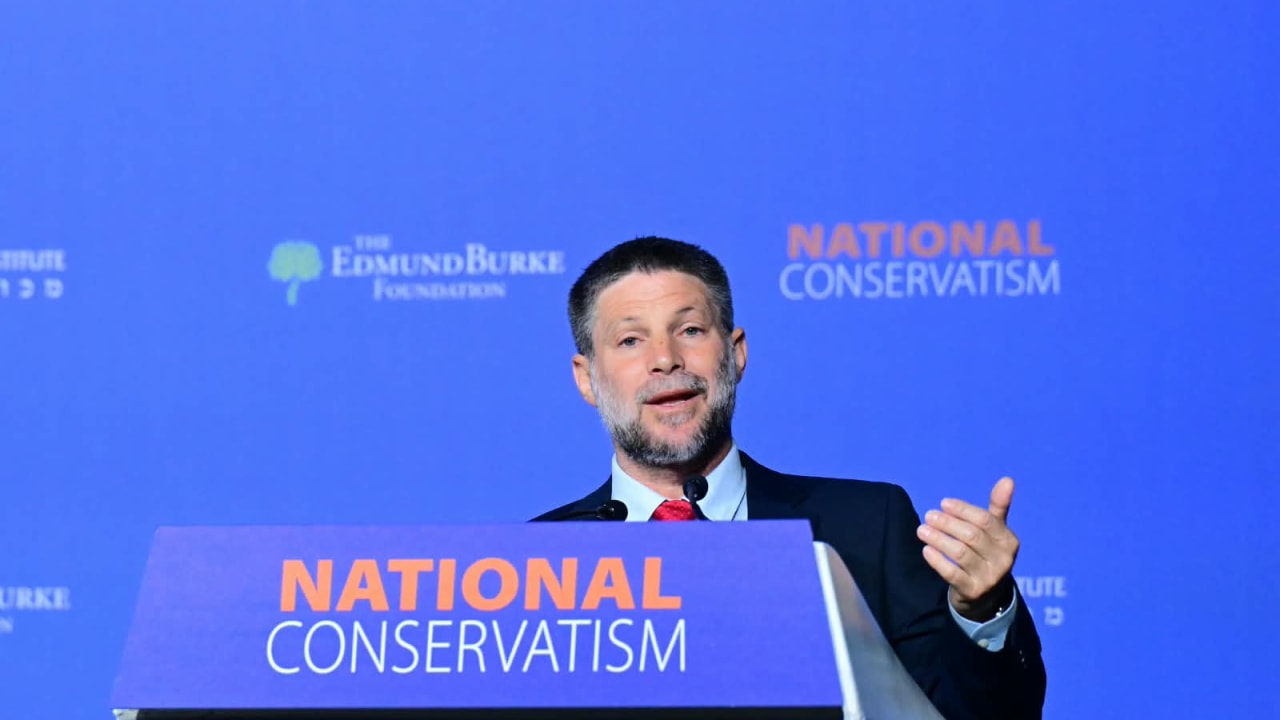
This week, Egyptian media outlets amplified their threats against Israel, particularly targeting Tel Aviv and Prime Minister Benjamin Netanyahu. This escalation came in response to Finance Minister Bezalel Smotrich’s recent remarks, which warned that Israel would retaliate by destroying Sinai if Egypt initiated an attack on Israel. Smotrich’s interview on the Haredi news platform Hashtiblach stirred significant outrage across Egyptian media.
Smotrich’s Provocative Statements
During his interview, Smotrich stated, “What will prevent Egypt from attacking us? If they choose to engage, there will no longer be a Sinai.” He emphasized a stark contrast to past leaders, claiming that the deterrents in place today are robust, unlike during the time of former Prime Minister Menachem Begin. His reference to the historical context of peace with Egypt drew immediate criticism, especially considering Begin’s pivotal role in signing the Egypt-Israel Peace Treaty nearly 45 years ago.
Responses from Egyptian Officials
In reaction to Smotrich’s assertions, prominent Egyptian figures voiced severe warnings. Egyptian TV personality Ahmed Moussa declared that “all 120 million Egyptians would defend the nation” and that any Israeli aggression would come with dire consequences. Reflecting on historical conflicts, especially the Yom Kippur War, he cautioned that Israel could expect no negotiations or exchanges of prisoners in any future confrontation.
Amr Adib, another influential host, echoed these sentiments. He remarked decisively that if Israel were to attack, “there will be no Tel Aviv, no Ben-Gurion Airport, and no Netanyahu.” His comments underlined a firm commitment to national security, reiterating that Egypt has actively fortified its borders against instability.
Political Implications of Smotrich’s Remarks
Political analysts have characterized Smotrich’s comments as a display of “political adolescence.” Egyptian political science professor Hamed Fares viewed the remarks as indicating a misunderstanding of current geopolitical dynamics. He posited that such statements were aimed at enhancing Smotrich’s hardline political image in light of upcoming elections. According to Fares, Smotrich’s rhetoric on territorial issues and neighboring countries seeks to frame a narrative that supports aggressive national security policies.
The exchange of barbs reflects broader tensions between Egypt and Israel, illustrating how rhetoric can escalate into significant diplomatic challenges. Egyptian media and officials are advocates for peace; however, they feel provoked by what they perceive as threats from Israeli leadership.
Conclusion: Navigating Diplomatic Tensions
The recent clash of statements between Israeli and Egyptian officials serves as a reminder of the fragile nature of peace in the region. While the call for peace remains strong among many leaders, attacks on national sovereignty provoke fierce responses. The geopolitical landscape demands careful management of discourse to prevent misunderstandings from igniting renewed hostilities. As both nations navigate these challenges, the impact of media portrayal and political statements will likely play a critical role in shaping future relations.