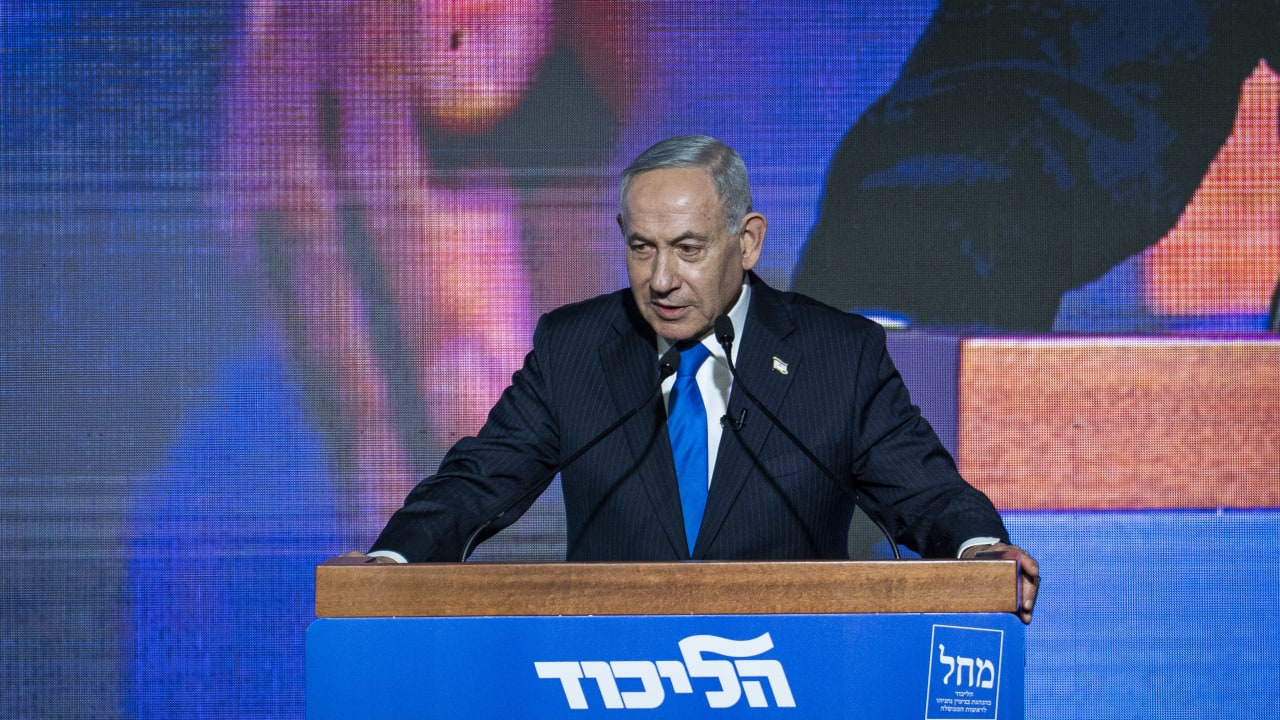
Three years after a devastating failure on October 7, 2023, Israel finds itself grappling with the aftermath, as the upcoming election looms on October 27. Benjamin Netanyahu is once again seeking to reclaim the prime ministerial position. This election feels particularly critical amid a heated political climate, where many Israelis continue to support a leader who presided during a time of tragedy.
## A Crucial Moment for Israeli Democracy
Each election cycle brings fervent claims of importance, but this one stands out. After the recent catastrophic events, it’s imperative that Israelis demand accountability from those in power. Netanyahu has been at the helm for nearly two decades, during which Hamas experienced significant growth, evolving into a formidable terrorist organization. The preference for containment policies over decisive action contributed to a dire security situation that ultimately culminated in the October 7 disaster.
The failure of security and political systems cannot be pinned on one individual alone. The ramifications of October 7 are shared among various sectors of governance. Nevertheless, as the sitting prime minister during this crisis, Netanyahu bears responsibility, and the public’s demand for accountability is justified.
## The Dangers of Political Idolization
A concerning trend has emerged: a faction of the Israeli population continues to idolize Netanyahu, placing undue loyalty in a leader who oversaw unprecedented violence against our people. Such blind faith in a leader evokes cult-like tendencies, which contradict the core values of our democracy. Judaism teaches that leaders should not be elevated to a status above critique. Our faith encourages accountability and transparency—not the idolization of individuals.
Democracy thrives on checks and balances, aiming to prevent the concentration of power. With Netanyahu at the forefront and his coalition consisting of extreme right-wing figures, there’s legitimate concern regarding the health of Israel’s democratic processes. Such arrangements can lead to skewed priorities that could jeopardize national security.
## The Path Ahead: Building a Resilient Israel
As Israel approaches this critical election, it’s essential to remember that a healthy democracy provides a plurality of voices and choices. We are not confined to a binary choice between Netanyahu and chaos; there are numerous experienced leaders who have served effectively in various capacities. Names like Gadi Eisenkot and Yair Lapid represent different visions for Israel, all competing for the right to lead.
Criticism of Netanyahu and his policies does not equate to disloyalty to Israel or to Jewish values. On the contrary, it is an expression of love for a nation that deserves to hold its leaders accountable. Traditional narratives in Jewish texts do not sanitize the flaws of great leaders; rather, they highlight the importance of honest discourse.
In conclusion, as Israel stands on the brink of another election, the message is clear: We need responsible leaders who prioritize the nation’s welfare above personal gains or political alliances. The events of October 7 serve as a harsh reminder that accountability is paramount. Israel’s strength lies in its people and its ability to passionately engage in the political process to ensure a brighter, more secure future.