
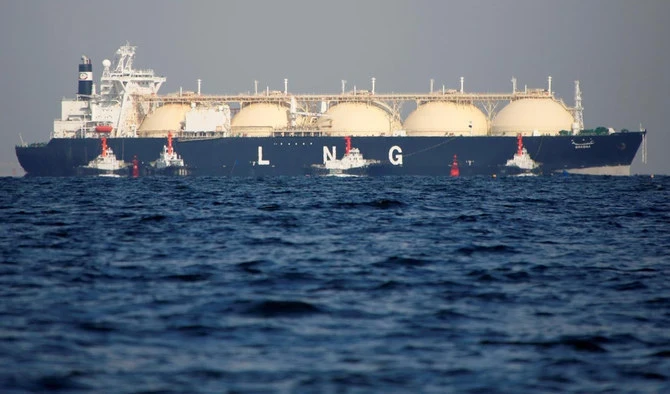
Pakistan Explores Alternate LNG Sources Amid Supply Challenges
As winter approaches, Pakistan is actively seeking new liquefied natural gas (LNG) shipments and making preparations to limit supply to certain sectors. This comes after Qatar extended its force majeure notices regarding LNG deliveries to Pakistan until November 5, raising concerns over potential gas shortages during the cold months.
Impact of Force Majeure on LNG Supply from Qatar
The situation arose when QatarEnergy halted production and declared force majeure due to attacks on its facilities linked to regional conflicts involving the United States and Iran. This provision allows suppliers to suspend delivery obligations when faced with uncontrollable events. Last month, QatarEnergy confirmed an extension of this suspension until November 5, 2023.
Pakistan heavily relies on Qatari LNG for its winter needs. Official data indicates that last winter, of the 36 LNG cargoes imported, 35 originated from Qatar. Faced with uncertainty over Qatari shipments, the Ministry of Petroleum is devising a strategy that includes sourcing LNG from alternative markets such as the US, the broader Middle East, and Azerbaijan. One potential supplier is the Azerbaijani state-owned enterprise, SOCAR, which has previously provided shipments under a recent agreement.
Cost Considerations and Market Dynamics
To manage costs effectively, the government has set a purchase threshold of $27 per million British thermal units (MMBtu) for spot LNG cargoes. A senior governmental official has suggested that spot prices may rise to around $29/MMBtu, making additional purchases increasingly challenging. This scenario necessitates a strategic exploration of alternate LNG sources, particularly in light of rising prices.
Moreover, the government is engaging diplomatic channels with Qatar, Iran, and the US to facilitate LNG shipments under Pakistan’s long-term agreements via the Strait of Hormuz. Although Islamabad hopes for 8-10 cargoes if current conditions hold, obtaining these shipments involves additional complexities, including agreement from ship captains, crews, and insurance companies.
Winter Gas Management Strategies
With household gas consumption set to rise in winter, the government is preparing to implement load management and curtail gas supplies to specific sectors if demand exceeds available resources. Prime Minister Shehbaz Sharif has called for a comprehensive gas load-management strategy, emphasizing the importance of ensuring uninterrupted gas imports during this critical period.
The government plans to prioritize domestic consumers for locally produced gas, with re-gasified LNG (RLNG) allocated for power generation and industry needs. In light of expected demand surges, a public awareness campaign is also in the works, encouraging households to utilize alternative energy sources.
Private Sector’s Role in LNG Importing
In addition to exploring alternative supplies, the Pakistani government is considering allowing private firms to utilize unused capacity at LNG terminals. A proposal is on the table for the Economic Coordination Committee (ECC) to auction operational capacities to private entities, aiming to increase LNG imports into the country. The Oil and Gas Regulatory Authority (OGRA) would oversee this negotiation.
However, there are concerns that this measure may not significantly boost LNG availability, as private companies would still face similar international market conditions as the government does. Ultimately, while diversifying LNG sources is a priority, Qatar will likely remain pivotal to Pakistan’s energy strategy due to existing long-term supply agreements.
In summary, Pakistan is navigating a complex landscape of LNG supply challenges. The combined efforts of seeking alternative sources, managing internal demand, and maintaining diplomatic relations are crucial to ensuring the nation meets its energy needs this winter.