
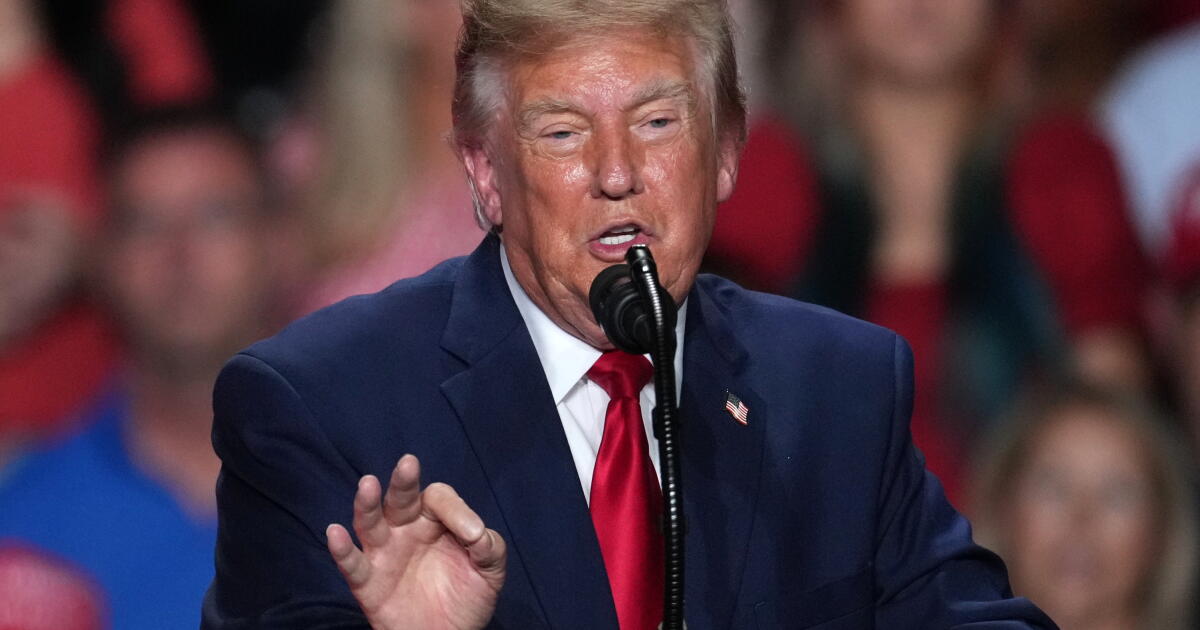
President Trump made headlines during a rally in Texas when he declared that he would not permit Iran to attack American cities like San Diego or Los Angeles. This statement came just two days after he had sparked controversy with offhand comments suggesting that attacks on these West Coast cities could be acceptable in a broader conflict. As tensions rise over international relations, Trump’s remarks have reignited discussions about national security and defense.
Context of Trump’s Remarks
During a rally in San Antonio, Trump energized the crowd by asserting that no harm would come to American cities under his watch. “You want to see a horror show? You want to see problems? Let them hit San Diego, let them hit Los Angeles,” he stated. His assurance that the U.S. would effectively protect its cities seemed aimed at reassuring attendees—and perhaps alleviating concerns arising from his earlier comments made during a rally in Nebraska.
The initial remarks from Nebraska indicated a troubling viewpoint where Trump appeared to downplay the significance of potential attacks on major cities. “They can take out a city, let them take out Los Angeles, let them take out San Diego. This is a very small price to pay,” he remarked. Such statements raised eyebrows and drew sharp criticism from political figures across the spectrum, demonstrating how sensitive the issue of national security is in today’s political climate.
Reactions from Political Leaders
Trump’s comments did not go unnoticed, especially among California leaders who expressed strong disapproval. Steven Cheung, the White House communications director, attempted to clarify the president’s remarks, claiming they were misinterpreted. He asserted that Trump was only highlighting the importance of stopping a nuclear-capable Iran and insisted that America’s safety had significantly improved under Trump’s administration. Alternatively, the swift backlash showed that many believed the president’s words might jeopardize the safety of citizens.
California’s political landscape reacted strongly, with some leaders—like Republican Jim Desmond—expressing their dissent. Desmond stressed that the primary role of the Commander in Chief is to protect the American populace, emphasizing that negotiations should always prioritize safety.
Local Leaders Respond
Governor Gavin Newsom responded pragmatically by activating the state’s emergency operations center to monitor potential threats following the tumultuous statements from Trump. Mayors Todd Gloria of San Diego and Karen Bass of Los Angeles joined the chorus of disapproval, indicating that the president’s rhetoric could inadvertently put their cities at risk. Gloria was particularly vocal, declaring through social media channels that “San Diego is not collateral damage” and asserting that such reckless war talk is unacceptable.
Through his comments, President Trump has thrust national security into the spotlight, reviving debates about America’s ability to safeguard its cities amidst international threats. While attempting to rally his base, he has inadvertently exposed fissures in how political discourse shapes public perception and safety, leading to considerable scrutiny from both sides of the aisle.
In summary, the discourse surrounding Trump’s recent statements serves as a reminder of the delicate balance required in addressing issues of national security. While rallying support is crucial for political figures, thoughtful communication is essential to ensure public safety is never treated as a bargaining chip.