
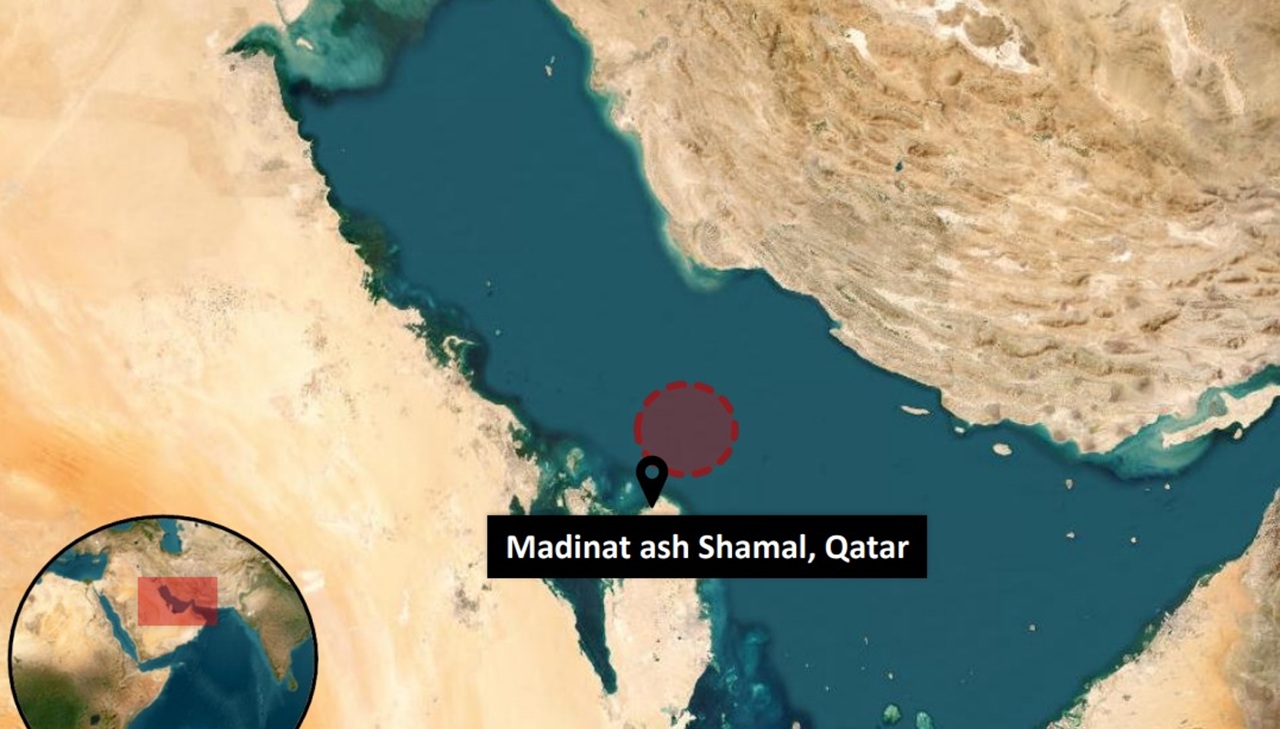
The recent wave of assaults on commercial vessels in the Strait of Hormuz has escalated tensions in the Arabian Gulf. A notable incident involves an attack on a tanker, drawing further attention to the risks faced by maritime operations in this crucial region.
Understanding the Strait of Hormuz and Its Importance
The Strait of Hormuz is a vital maritime passage, connecting the Persian Gulf to the Arabian Sea and facilitating a significant portion of the world’s oil shipments. Approximately 20% of global oil trade transits through this narrow waterway, making it a focal point for energy distribution. The instability in this area not only affects international trade but also has far-reaching implications for global energy security.
Given that many nations depend heavily on oil imports that traverse this strait, the increasing hostility towards commercial shipping poses a severe threat to economic stability worldwide. Shipowners and operators are increasingly on high alert, especially with the heightened aggression seen recently.
Recent Incidents and Maritime Security Concerns
The recent attack on the tanker in the Arabian Gulf serves as a stark reminder of the precarious security situation in this area. These incidents demonstrate the strategic challenges faced by maritime operations, as vessels often navigate through potentially dangerous waters. With rising concerns over piracy, state-sponsored aggression, and terrorism, the urgency for robust maritime security measures has never been greater.
This attack follows various other incidents in the region, which have raised alarms within the global shipping community. These occurrences not only contribute to escalating insurance premiums for shipping lines but also necessitate changes in routing and navigation practices to mitigate risks.
Impact on Global Trade and Energy Markets
Such developments can have profound implications for global trade. The increasing dangers in the Strait of Hormuz threaten to disrupt supply chains and lead to fluctuations in oil prices. With oil being a critical component of the world economy, any significant interruption in supply can have ripple effects that extend far beyond the affected regions.
As shipping companies reassess their risk management strategies, many are forced to invest in enhanced security protocols and consider alternative routes. These adjustments, while necessary, can lead to increased operational costs, which may eventually be passed on to consumers.
Looking Ahead: Future Maritime Security Challenges
As tensions continue to rise in the Arabian Gulf, the international maritime community must remain vigilant. The need for cooperative security measures among nations has never been more pressing. Alliances focusing on maritime safety can help mitigate the risks faced by commercial vessels.
In conclusion, the recent attack on a tanker in the Arabian Gulf is a significant development in the ongoing challenges faced by maritime shipping. As the strait remains a pivotal element of global trade, stakeholders must prioritize security to ensure the safe passage of goods and maintain stability in energy markets. The interplay of geopolitical factors, commercial interests, and security considerations will undoubtedly shape the future maritime landscape in this critical region.