
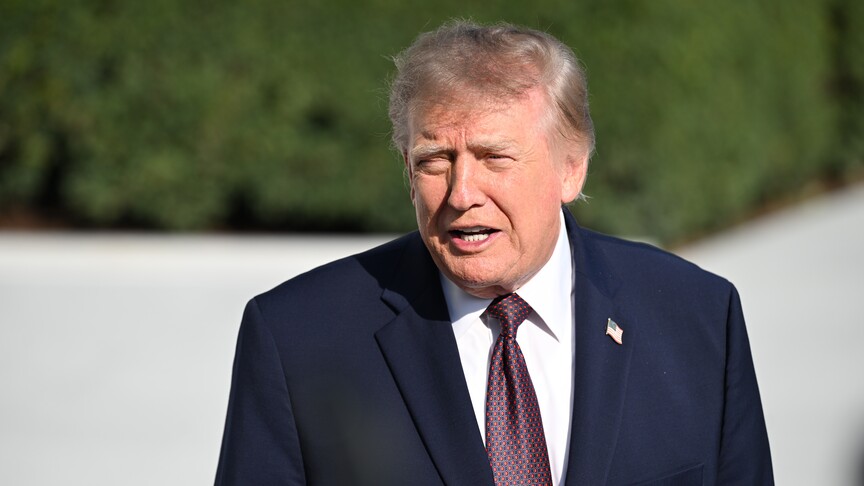
On October 8, 2026, President Donald Trump provided updates regarding the situation between the United States and Iran, highlighting his envoy Steve Witkoff’s progress in negotiations, while simultaneously expressing his own reservations about pursuing a formal deal.
Trump’s Perspective on Negotiations
During a campaign rally in San Antonio, Texas, Trump reiterated his belief that Witkoff is excelling in his role as the special envoy tasked with navigating the complex negotiations with Iran. “He’s working on the Iran deal and doing very well,” Trump remarked. However, he made it clear that a comprehensive agreement isn’t his preferred outcome. Instead, Trump’s focus seemed to lean towards ensuring that Iran does not develop nuclear capabilities. “They will never have a nuclear weapon,” he asserted, emphasizing his commitment to preventing any nuclear advancements from the Iranian regime.
Witkoff’s Diplomatic Efforts
The president praised Witkoff as “a great negotiator” who has already accomplished “phenomenal things” in the realm of diplomacy, referencing the successful ceasefire deal in Gaza as an example of Witkoff’s effectiveness. This support underlines the administration’s strategy to approach diplomatic channels, despite Trump’s personal reservations about a formalized agreement. Witkoff’s negotiation skills will be critical as tensions continue to mount and the dynamics shift in the region.
Expectations for the Conflict’s Resolution
Trump expressed optimism regarding the ongoing war with Iran, declaring, “That war ends – it’s going to be very soon. It’s got to be very soon.” He characterized Iran as “a failed nation,” a statement that reflects his administration’s stance on the Iranian government and its actions. This sentiment resonates with the broader narrative of destabilization attributed to Iran throughout the Middle East.
Recent Developments and Military Options
Recent media reports indicate that the White House has asked the Pentagon to prepare military options targeting Iranian installations. This posturing suggests that, while negotiations are ongoing, the possibility of direct military action remains on the table, especially ahead of the important midterm elections on November 3rd. The heightened tensions began when the U.S. and Israel initiated a military campaign against Iran on February 28, provoking swift retaliatory actions from Tehran that included missile and drone strikes across the region, as well as the closure of the strategically vital Strait of Hormuz.
This situation has led to a complex web of diplomatic and military engagements. A memorandum of understanding was signed in June, facilitated by nations such as Pakistan and Qatar, aiming to halt the ongoing hostilities and create a pathway for future negotiations. However, implementation of this agreement has faced significant hurdles, dominated by disagreements over critical issues such as security measures and navigation protocols within the Strait of Hormuz.
As the conflict continues, the global community remains watchful, aware that the outcomes of these negotiations carry far-reaching implications not only for U.S.-Iran relations but also for stability in the Middle East.