
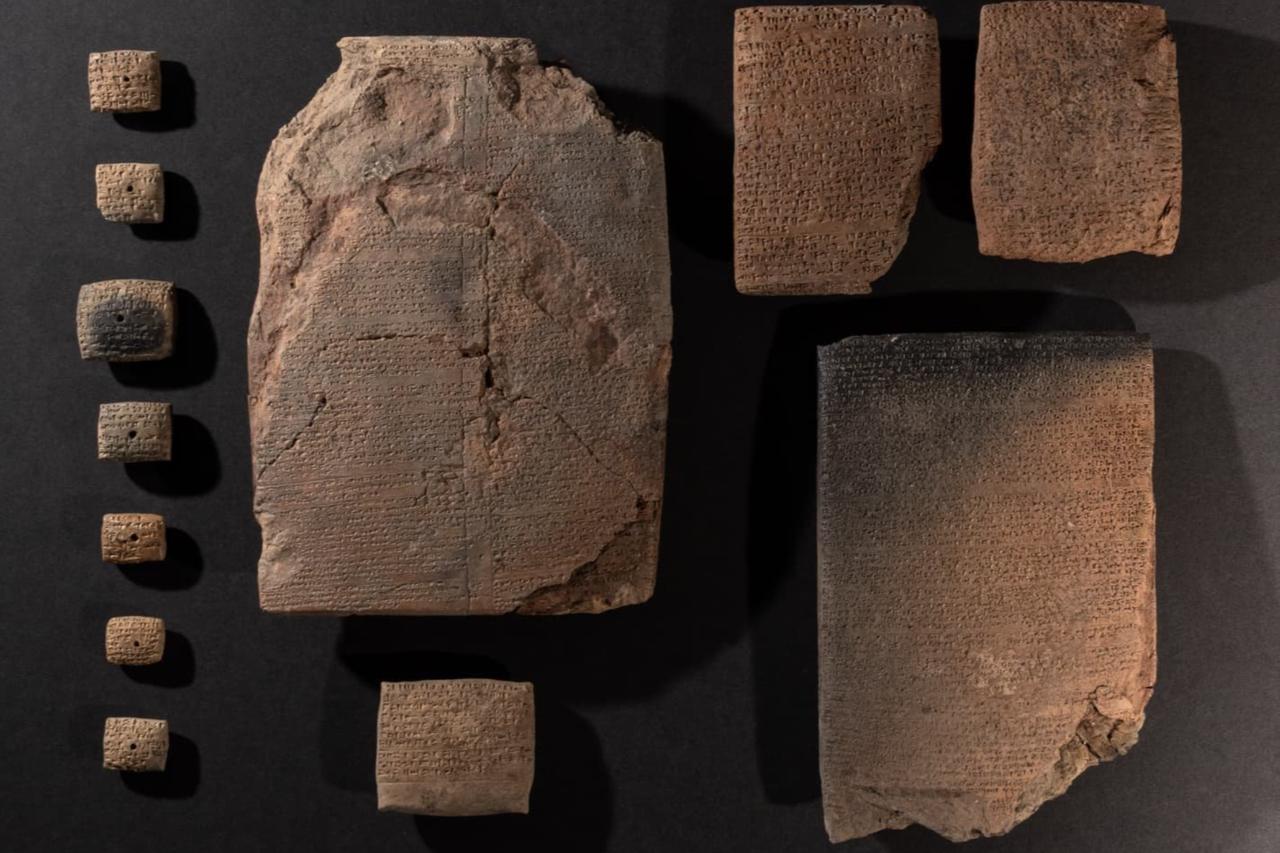
A recently discovered Hittite royal archive in central Türkiye provides rich insights into the civilization’s social, military, and religious practices, encapsulated within 184 ancient cuneiform tablets and fragments. This archaeological find offers a glimpse into the pressing issues that affected the Hittite realm during the reign of King Tudhaliya II, significantly enhancing our understanding of history.
New Revelations from the Hittite Archive
Excavations at Kayalipinar, the site of the ancient city of Samuha in Sivas province, revealed vital historical documents. Announced by Turkish Culture and Tourism Minister Mehmet Nuri Ersoy, these 131 newly unearthed tablets contribute to the most substantial collection of Hittite texts found in the 21st century. Dating back approximately 3,400 years, the documents are written in both Hittite and Hurrian, offering unprecedented insights into royal affairs, state management, military encounters, and religious rites.
Among the critical findings is documentation of an epidemic that tragically impacted infants and children. The tablets narrate the illness of a young princess, ultimately leading to her death, alongside detailed descriptions of the subsequent funeral practices. These accounts shed light on family dynamics and the emotional landscape within the Hittite royal lineage.
Urgent Military Appeals and State Administration
In addition to personal tragedies, the archive reveals pressing military concerns faced by the Hittite kingdom. Records indicate that military commanders stationed in western Anatolia made earnest requests for reinforcements as they confronted external threats. The urgency in their letters speaks volumes about the kingdom’s precarious position, warning that their forces risked annihilation without additional soldiers, horses, and chariots.
This combination of personal and public concerns within the documents reflects a complex societal structure where royal decisions were often influenced by both personal tragedies and military exigencies. Such insights are invaluable for comprehending the interconnectedness of Hittite statecraft and familial issues.
Insights into Religious Practices and Divination
Beyond military and royal affairs, the archive includes intriguing records of Hittite religious practices, particularly focusing on bird omens. Documents detailing the observations and interpretations by diviners reveal the significance of avian behaviors in decision-making processes. This component of the archive not only showcases the belief systems prevalent in Hittite society but also contributes valuable information about their methods of divination.
Minister Ersoy noted that these findings could significantly advance research into various aspects of Hittite civilization, encompassing religious traditions, language evolution, and scribal culture. The ongoing excavation efforts aim to preserve this archaeological legacy and ensure that the history embedded in Anatolia continues to be studied and understood.
In summary, this newly revealed Hittite royal archive is a treasure trove that offers a multifaceted view of life in ancient Anatolia. From the despair of disease to the demands of military strategy and the intricacies of religious observance, these tablets illuminate an era long past, enriching our understanding of historical progression. Continued scholarly efforts are essential to unlock the full promise this archive holds for future generations.