
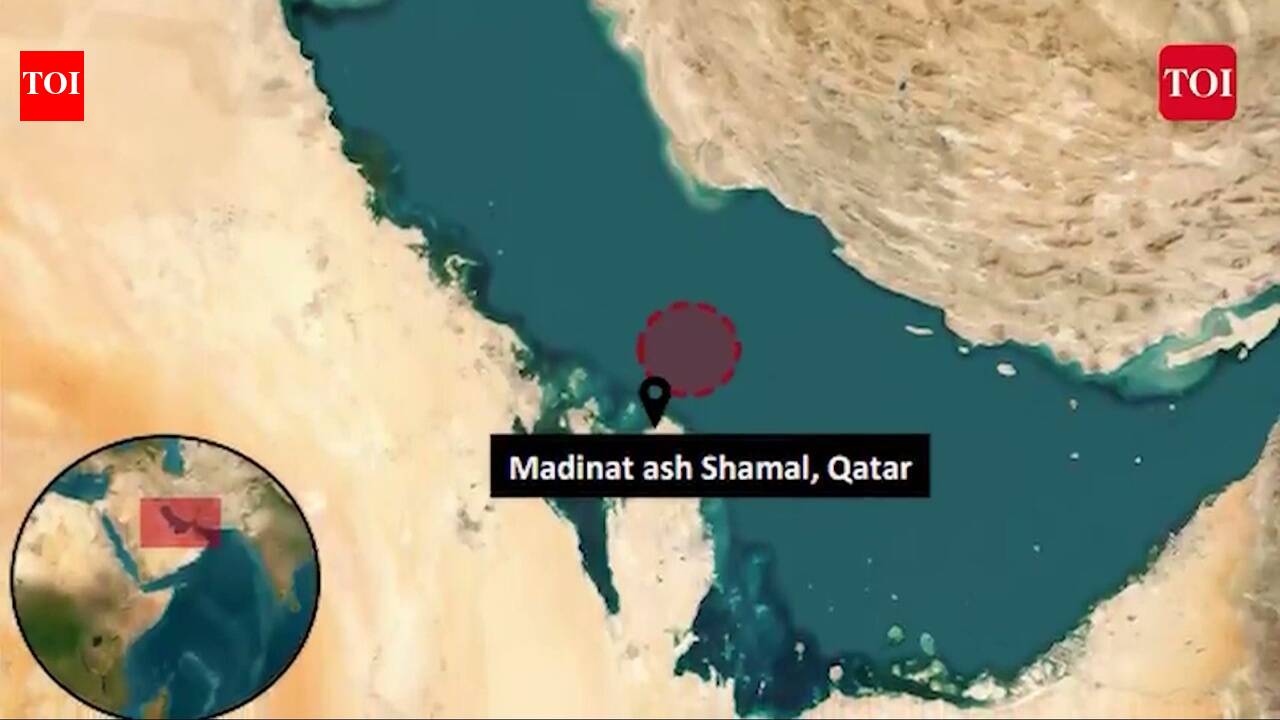
Is Iran intensifying its assaults on oil shipments beyond the Strait of Hormuz? Recent unverified reports indicate that an Emirati Very Large Crude Carrier (VLCC) may have been struck off the coast of Fujairah, with sources noting a fire in the vicinity. If these reports are validated, it would represent a significant escalation in attacks on commercial shipping routes outside the critical Strait of Hormuz. This development comes amidst alarming maritime security updates, with sources reported by Reuters indicating at least 12 attacks on oil, liquefied natural gas (LNG), and liquefied petroleum gas (LPG) tankers in the area between late September and early October—marking the highest frequency of such incidents since the onset of tensions following the U.S.-Iran conflict beginning on February 28.
The Surge in Maritime Attacks
Recent weeks have seen a troubling spike in maritime confrontations related to oil shipments in the vital waters surrounding the Strait of Hormuz. As indicated by maritime security firms, the frequency of attacks on oil tankers has reached an alarming peak, emphasizing how Iran’s aggressive strategies are threatening this crucial shipping lane. Analysts are particularly concerned about these events, which are perceived as attempts to disrupt the global oil supply chain. With the potential for further hostilities in the region escalating, the risk to commercial shipping operations increases remarkably.
Impacts on Global Oil Markets
The implications of these attacks extend far beyond the immediate geographic area, potentially destabilizing global oil markets. As the world relies heavily on oil transported through the Strait of Hormuz—about one-fifth of the world’s crude oil passes through these waters—any disruption could lead to significant price increases and supply shortages. Traders and policymakers are closely monitoring developments, as any increased hostility from Iran could trigger a swift and severe reaction from global oil markets. The uncertainty surrounding the safety of maritime routes could further complicate logistics for oil suppliers and traders.
The Role of Iranian Military Forces
Iran’s military presence in the region, particularly the activities of the Iranian Revolutionary Guards, has become a focal point for discussions on maritime security. An adviser to the Guards ominously stated that Iran might consider closing routes through the Strait of Hormuz that they deem illegal, a statement that raises significant alarms regarding future shipping activities. This potential move could not only threaten oil transportation but also heighten tensions between Iran and Western powers, who have historically kept a close watch over Iran’s military initiatives.
The fragile balance of Arabian maritime security hangs in the balance as Iran’s strategies evolve. Should the reports of escalating attacks be substantiated, it could signal a new phase in regional conflicts affecting global trading channels. International stakeholders must remain vigilant, as the implications of these attacks could ripple through the entire energy market, impacting economies across the globe. The situation underscores the need for enhanced maritime security measures and diplomatic efforts to ensure the safe passage of vessels in this strategic waterway.