
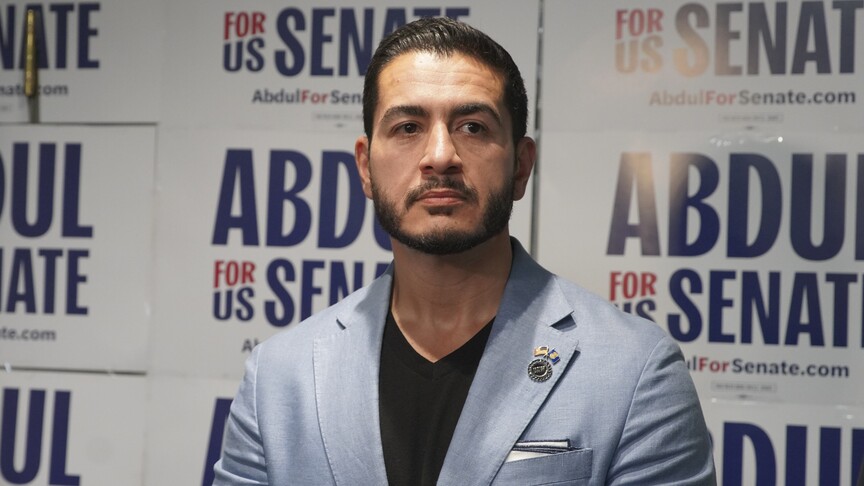
The political landscape in Michigan is heating up as the Senate race intensifies, with critical discussions surrounding U.S. involvement in international conflicts. The Democratic challenger, Abdul El-Sayed, has made headlines by suggesting that Israeli Prime Minister Benjamin Netanyahu played a pivotal role in shaping the U.S. government’s decision to engage militarily with Iran.
El-Sayed’s Stance on U.S. Involvement in Iran
El-Sayed articulated his views during an interview with NewsNation, asserting, “Our current military engagement in Iran is in part the result of Netanyahu’s advocacy.” He pointed out that energy prices and living costs are rising as a direct consequence of the conflict that began on February 28, marked by U.S. and Israeli aerial strikes on Iran. El-Sayed emphasized the economic burden on American families, noting, “We are experiencing unprecedented increases in gas prices and grocery bills, all while billions of taxpayer dollars are funneled abroad.” His strong opposition to using U.S. tax funds for foreign military endeavors resonated with many who share his concerns.
Polls indicate widespread discontent with military expenditures. For instance, a Marquette Law School survey revealed that 75% of respondents felt that the ongoing military operations were not “worth the cost.” This growing sentiment has propelled discussions in Congress, which has passed several resolutions aimed at curtailing U.S. military operations in Iran, reflecting a rising demand for accountability from political leaders.
The Michigan Senate Race’s Dynamics
As the race for Michigan’s Senate seat unfolds, El-Sayed is gearing up for a showdown against former Republican Congressman Mike Rogers on November 3. Having garnered the Democratic nomination in August—backed by progressive stalwart Senator Bernie Sanders—El-Sayed aims to bring reform and transparency to the forefront of his campaign. Rogers, who has changed his position on previous trade policies, comes to the debate with a defensive stance, prompted by the changing political tides. El-Sayed has openly criticized Rogers for what he terms “flip-flopping” on crucial issues, particularly regarding trade wars that emerged under the Trump administration.
Both candidates appear locked in a fierce battle, with recent polling indicating a tightly contested race. The upcoming debate in Grand Rapids is expected to be a critical platform for both to clarify their positions and resonate with voters ahead of the election.
Trump’s Endorsement Favors Rogers
Former President Donald Trump has weighed in on the race by endorsing Mike Rogers, positioning him as the favorable candidate while launching a personal attack on El-Sayed. Labeling El-Sayed a “radical extremist” on social media, Trump emphasized a divide in ideologies between the two candidates. He referenced El-Sayed’s ties to controversial figures and positioned Rogers as one aligned with traditional American values. This endorsement underscores Trump’s continued influence in Republican circles and adds another layer of complexity to the electoral contest.
As voters prepare for the upcoming election, the debate surrounding military spending, national security, and foreign relations remains a central theme. With both candidates representing starkly different visions for Michigan and the country, the public’s response to these issues will likely be decisive on November 3. The dynamic interplay of local concerns and broader geopolitical influences will ultimately shape not only the Senate race but the trajectory of U.S. foreign policy moving forward.