
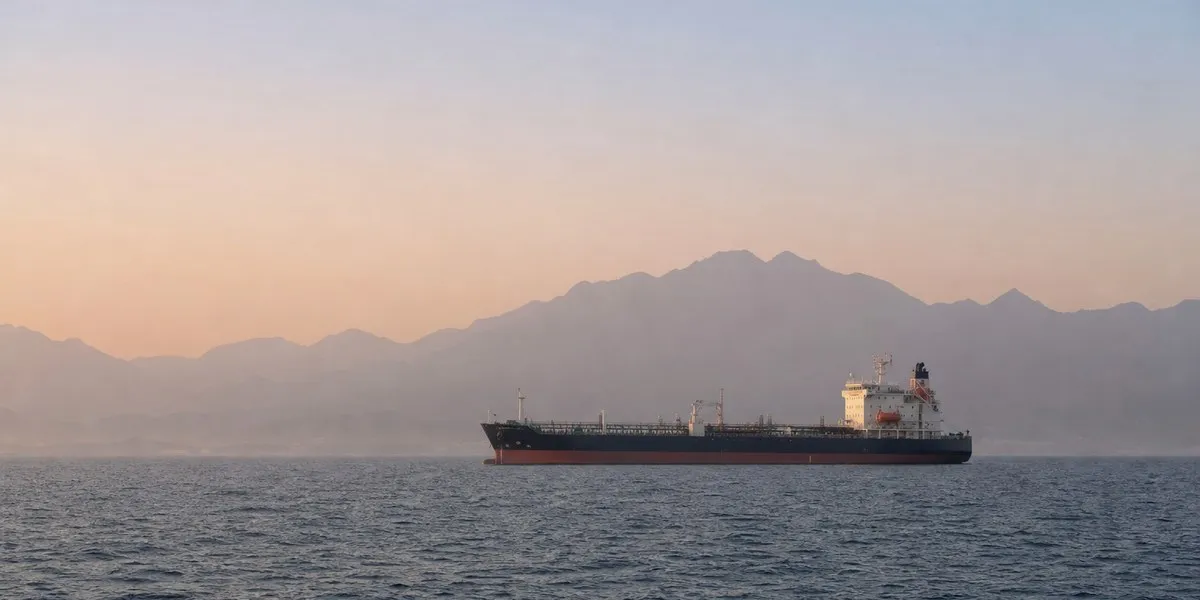
Two recent incidents involving commercial tankers have raised concerns in maritime security, particularly in waters close to Qatar and the United Arab Emirates. Within just 24 hours, significant events unfolded: projectiles hit the Antigua and Barbuda-flagged tanker Acers near Qatar, while another vessel near Fujairah in the Gulf of Oman caught fire. These occurrences have drawn attention to the escalating risks associated with maritime operations in a strategically important region.
Attack on the Acers Near Qatar
According to reports from the UK Maritime Trade Operations (UKMTO), the Acers was attacked by multiple projectiles while traveling approximately 51 nautical miles north of Madinat ash Shamal in Qatar. This alarming development resulted in confirmed casualties, highlighting the potential dangers of navigating these waters. Maritime intelligence firm Vanguard identified the Acers and noted its direction toward the Strait of Hormuz, a critical area known for significant maritime traffic. This incident marks the first attack in this region in over six months, signaling an alarming resurgence of threats against commercial shipping.
Fire Incident in the Gulf of Oman
In a separate event, a fire broke out on a tanker approximately 40 kilometers from Fujairah in the Gulf of Oman, as reported by Vanguard. Speculations suggest the affected vessel may be the Marshall Islands-flagged Dhalgout. Interestingly, UKMTO did not log this incident, and the cause of the fire has not yet been determined. NASA’s FIRMS fire detection system confirmed the blaze, raising questions about safety protocols and emergency responses in the maritime sector. Concurrently, US military assets, including KC-46 and KC-135 tanker planes, as well as a P-8A surveillance aircraft, were observed in the vicinity, further underscoring the importance of monitoring the situation.
Wider Implications for Maritime Security
While Iran has not openly claimed responsibility for these incidents, there have been hints from media associated with the Islamic Revolutionary Guard Corps indicating a potential expansion of operations against commercial vessels beyond the Strait of Hormuz. This area is notoriously significant for global oil and gas transportation, handling about one-fifth of these vital supplies. The recent events amplify existing fears regarding navigational safety and the potential for increased military engagement in the region.
The implications of these incidents extend beyond immediate maritime safety; they also pose challenges for global energy markets already under strain from geopolitical tensions. Shipping companies may need to reassess their risk management strategies, potentially leading to changes in routing or the adoption of enhanced security measures for vessels traveling through troubled waters. Overall, the recent attacks have triggered urgent discussions among stakeholders regarding the necessity for increased vigilance and protective measures in maritime operations.
In conclusion, the recent attacks on the Acers and the fire in the Gulf of Oman signal an unsettling trend in maritime security, especially in a region vital for global trade. Stakeholders in the maritime industry must closely monitor these developments to navigate the complex challenges posed by rising threats. Enhanced cooperation among international stakeholders may be crucial to ensure safe passage and protect vital shipping lanes in the coming months.