
A recent incident involving a tanker off the coast of Qatar has raised significant concerns regarding maritime safety in the Gulf region. According to the United Kingdom Maritime Trade Operations (UKMTO), a vessel identified as the oil and chemical tanker Acers—registered under the flag of Antigua and Barbuda—was struck by multiple projectiles. While the agency confirmed that casualties were reported, specific details about the number of deaths or injuries remain undisclosed. This attack occurred approximately 94 kilometers (58 miles) north of Madinat ash Shamal, indicating a troubling escalation in risks for vessels operating in this critical maritime zone.
Details of the Incident
The tanker incident took place around 51 nautical miles from Madinat al-Shamal, with UKMTO noting that an investigation is ongoing. The incident has drawn attention as the first reported attack on a tanker in the western Gulf region in several weeks, underscoring the persistent threat maritime operators face in that area. Notably, UKMTO has refrained from attributing responsibility for the attack, leaving questions about the motivations and players involved open for speculation.
Iran’s Claims and Regional Tensions
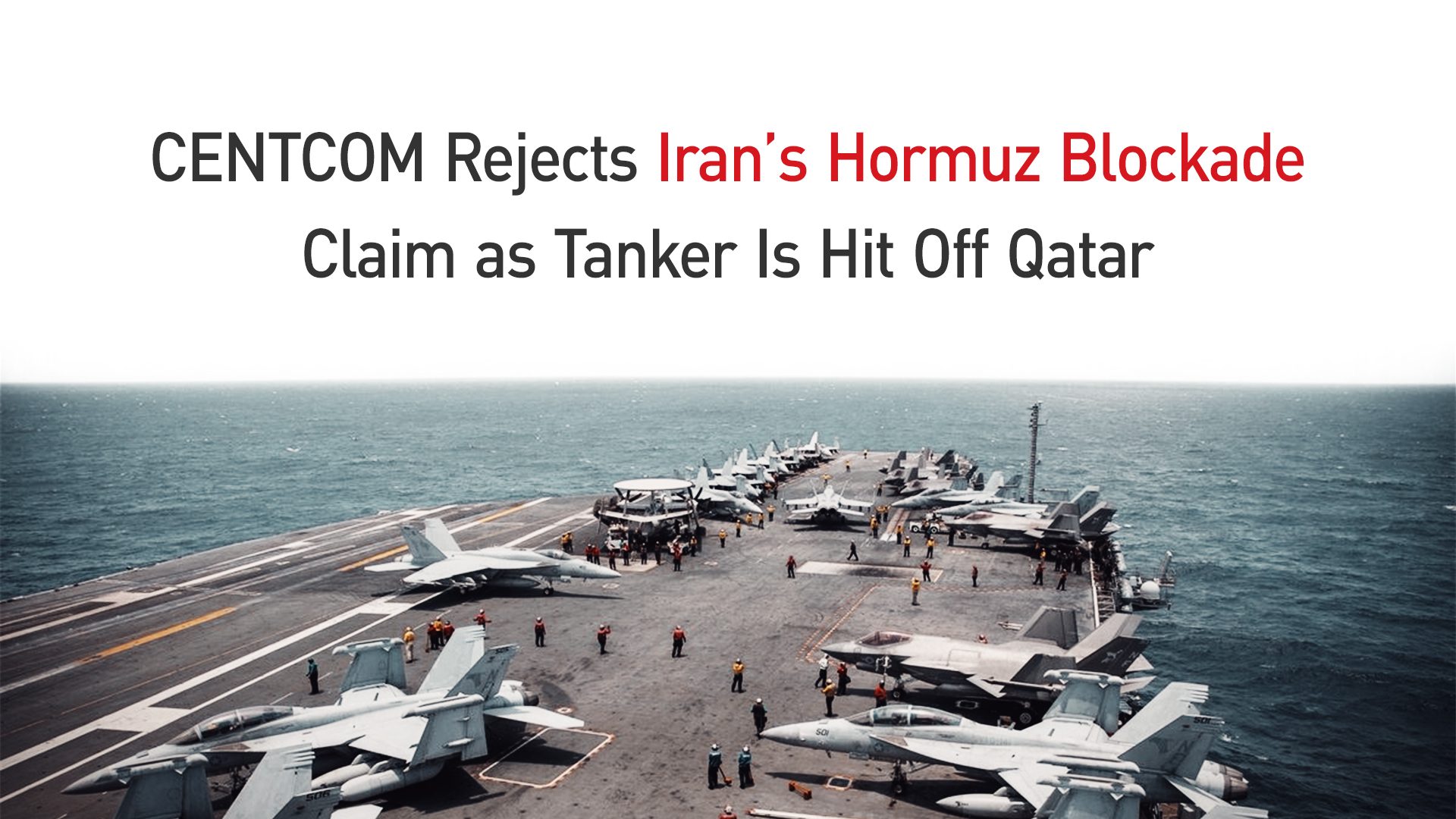
As the situation unfolds, Iran has made claims regarding controlling strategic routes in the Strait of Hormuz, a vital passage for global oil transportation. An advisor to the Revolutionary Guards indicated that Iran’s armed forces fully control the area, asserting that the strait is currently “closed.” However, U.S. Central Command (CENTCOM) has contradicted these assertions, stating that maritime traffic is proceeding as normal, with about 20 million barrels of crude oil moving through the strait. These conflicting narratives illustrate the tense geopolitical environment surrounding maritime operations in the region, exacerbating fears of escalating conflicts among nations with vested interests in Gulf navigability.
Shipping Challenges and Risks
The risks to shipping in the Gulf have become increasingly severe, with UKMTO reporting at least 24 maritime fatalities linked to 93 confirmed incidents. The situation is alarming, especially considering that the last notable incident, resulting in casualties, was registered on September 9 aboard the Panama-flagged tanker El Gaia. The agency revealed there have been nine attacks on tankers in the Strait of Hormuz in the current month alone, marking a worrisome uptick. The latest incident’s occurrence deep within the Gulf raises concerns not only about immediate safety but also the broader implications for maritime trade routes integral to global supply chains.
Impact on Oil Prices and Future Steps
Amid these escalating tensions, oil prices have surged above $100 per barrel, marking the highest weekly escalation since the onset of the Iran war. The period leading up to October 5 witnessed at least 12 attacks on various types of tankers traversing the strait, contributing to a concerning trend of increasing hostility. With Middle Eastern crude exports averaging 18.3 million barrels per day in late September, the potential disruption posed by maritime threats looms large for energy markets globally. Firms and stakeholders engaged in maritime operations must now navigate a landscape marked by volatile supply chains and geopolitical uncertainties.
Such incidents hold broader implications not only for shipping and oil prices but also for the geopolitical stability of the Gulf region. As tensions remain unresolved, shipping operators, traders, and international regulators will need to intensify their focus on maritime security to safeguard vital trade routes.