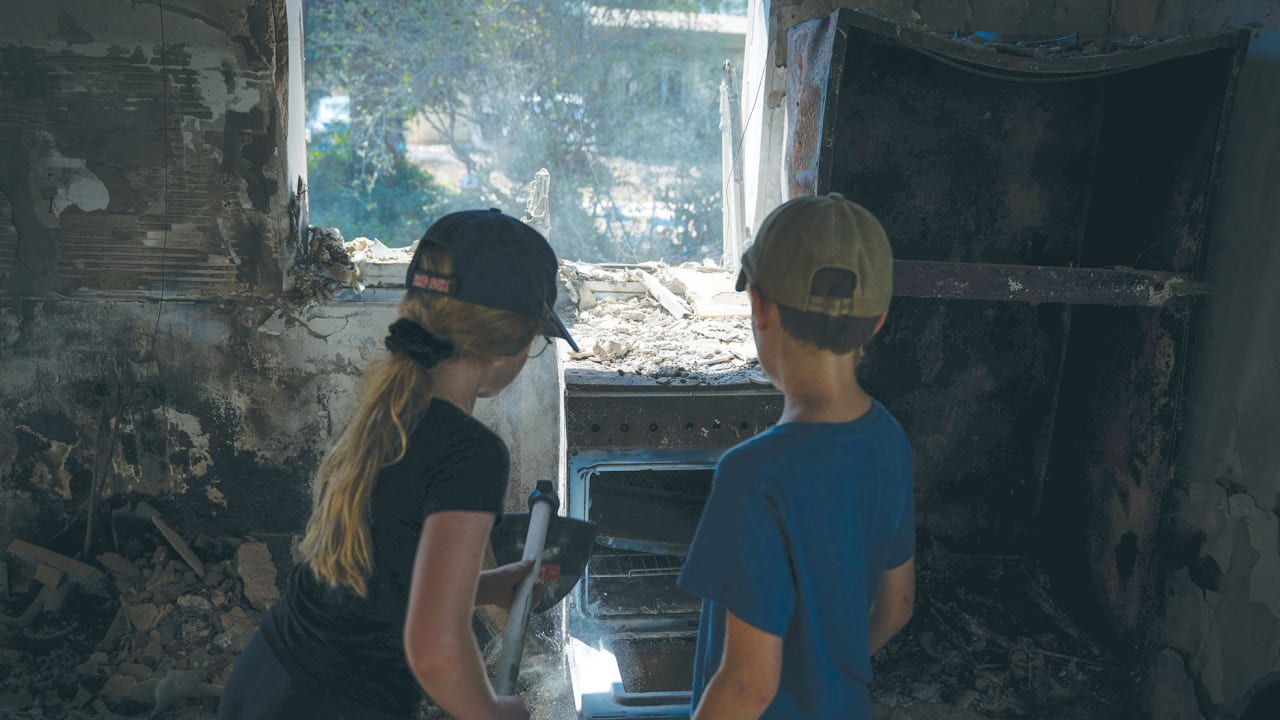
On October 7, Israel faced a day of profound tragedy that shook the nation. As the country works to heal, it is also confronted with the challenge of honoring those lost while fostering recovery in the western Negev region. This delicate balance between commemoration and reconstruction is essential to ensure the resilience of affected communities.
Coping with Loss: The Need for Memorialization
In the wake of the attacks, many communities have found themselves grappling with the pain of loss. The kibbutzim, which have long been symbols of unity and perseverance, were devastated, leaving a void that can be difficult to fill. To address this grief, plans are being formulated for memorials that will serve as poignant reminders of those who perished. These tributes are not only a way to honor the victims but also vital for the collective healing process. They encourage communities to come together, share their stories, and recognize the courage of those who faced the unimaginable.
Rebuilding the Western Negev: A Community-Centric Approach
Reconstruction is not merely about physical restoration; it is about rejuvenating the spirit of the people. In the western Negev, where the impact of the events has been most severe, local leaders are championing efforts that focus on community well-being. This approach prioritizes not just the rebuilding of infrastructure but also the emotional and psychological health of residents. Initiatives aimed at fostering social cohesion and providing psychological support are essential steps in ensuring that these communities emerge stronger than before.
Local businesses and essential services need assistance to flourish again. The goal is to create not just a rebuilt landscape but a vibrant community that reflects the resilience and determination of its inhabitants. Investment in social programs, educational opportunities, and community gatherings can play a crucial role in revitalizing the area. Emphasizing collaboration among community members can enhance the likelihood of a successful recovery.
Promoting Unity Through Shared Narratives
Narratives play a fundamental role in shaping a community’s identity. By collecting stories from survivors and families of the victims, a tapestry of resilience emerges that highlights the collective strength of the region. Documenting these experiences serves not only as a historical record but also as a source of inspiration for future generations. This initiative encourages dialogue and understanding among diverse groups in the region, fostering a sense of togetherness that transcends individual suffering.
As ongoing reconstruction efforts evolve, these shared narratives can contribute to a deeper understanding of the impact of the tragedy on various levels. Fostering an environment where open discussions can take place helps to forge connections among residents, thereby reinforcing community bonds. Unity in the face of adversity can emerge as a powerful force for transformation.
In conclusion, as Israel navigates the dual challenge of commemorating the events of October 7 while diligently working to rebuild, it is crucial to prioritize healing and resilience within these communities. Memorials that honor lost lives must coincide with robust, community-focused recovery efforts. By fostering unity through shared narratives and collective action, the western Negev can rise from the ashes of tragedy and embody the spirit of resilience that defines its people.