
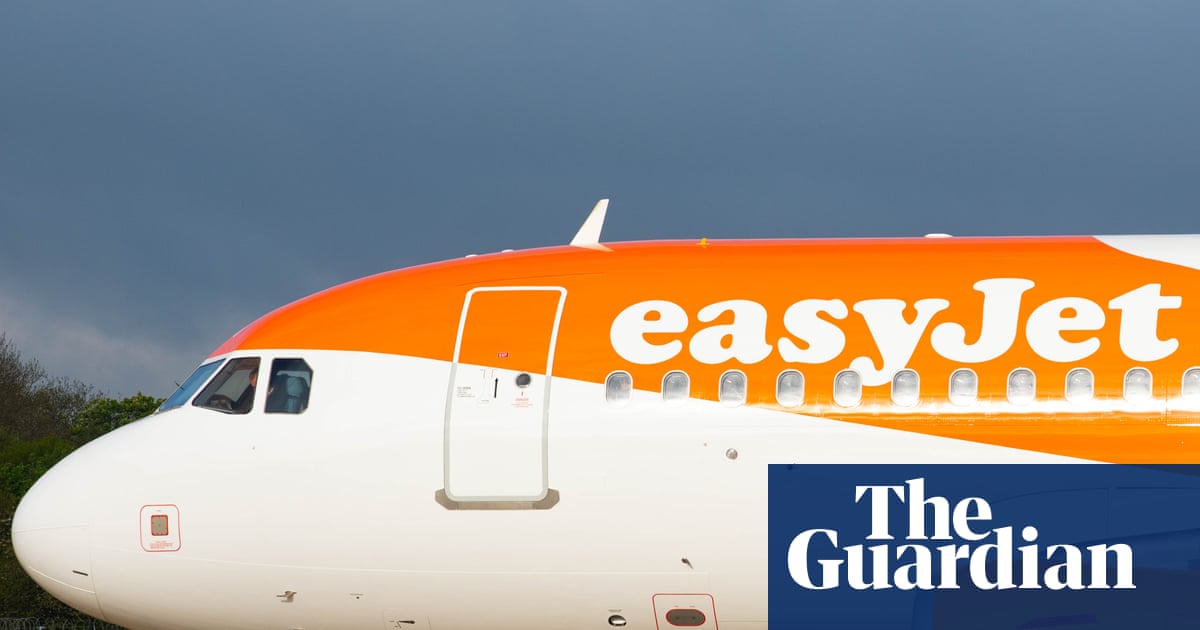
easyJet, a budget airline, is currently facing challenges regarding summer vacation bookings, which are not meeting last year’s levels. This decline is primarily attributed to the ongoing conflict in Iran, which has impacted consumer confidence and led travelers to delay their travel reservations.
Impact of Global Conflict on Travel Behavior
Following the onset of the U.S. and Israel’s military actions in Iran, easyJet incurred an unexpected additional cost of £25 million for jet fuel in March. Despite this financial burden, the airline has reassured customers that there is no disruption to its fuel supply. They maintain a clear view of their fuel requirements over a rolling four-week timeline and have no plans to cancel flights this summer. This is in contrast to concerns expressed by Ryanair’s CEO, who warned that the UK could face potential jet fuel shortages if the Strait of Hormuz remains obstructed.
The airline encourages customers to “book with confidence,” emphasizing that worries surrounding fuel scarcity and possible flight cancellations appear to be deterring potential travelers. Many consumers seem hesitant to make early reservations, opting instead to wait until closer to their departure date. While the airline acknowledges an uptick in last-minute bookings, overall summer bookings are still lagging behind last year’s numbers.
Financial Resilience Amid Uncertainty
easyJet has managed to hedge 72% of its fuel requirements for the next six months to navigate the busy summer season, though they have paused short-term hedging due to high near-term fuel prices. Recently, the airline reported a substantial pre-tax loss of £552 million for the six months ending March 31, compared to a loss of £394 million in the same timeframe a year prior. Typically, easyJet strives to recoup losses during the lucrative summer months.
In light of rising fuel expenses, the airline has increased its minimum ticket prices and is actively evaluating all discretionary expenditures. Kenton Jarvis, the airline’s CEO, remains optimistic about easyJet’s ability to withstand ongoing geopolitical uncertainties. He asserts that easyJet is well-equipped to manage the challenges presented by the current climate, bolstered by one of the most robust investment-grade balance sheets in European aviation.
Adjusting to Market Demands
Despite the challenges, easyJet is not experiencing disruptions in its flight schedule. Following the conflict’s outbreak, the airline conducted a review of its summer flight offerings, resulting in a minor net reduction in available seats. Nevertheless, they plan to execute their entire summer schedule as intended. The demand for easyJet’s holiday packages remains strong, with a remarkable 22% increase in customer numbers in the six-month period leading up to March in comparison to the previous year.
The airline’s commitment to operational stability amidst market fluctuations highlights its resilience and adaptability. By fostering customer confidence and understanding current travel behaviors, easyJet aims to rebound and attract travelers planning their summer vacations, ultimately positioning itself for a potential turnaround as the peak travel season approaches.